Why Weapons Hit Different: Structure as the Real Monster
The first time Weapons rewinds, you feel the ground shift. A cold open narrated by a child sketches the impossible premise — seventeen kids from the same third-grade class walk out of their homes at 2:17 AM and vanish — and then Zach Cregger's film refuses to pick a hero. Instead it braids six perspectives around the disappearance: the teacher, a grieving father, a cop, a principal, a junkie, a lone surviving kid. Each chapter reframes what you thought you knew about the last one. The scare isn't the shape at the end of the hallway. The scare is realizing the movie itself is the trap.
Cregger has been open about the model. He pitched Weapons as "Magnolia meets Hereditary," a shorthand that tells you more about the film's DNA than any logline. IndieWire's review clocked the debt too, reading Cregger's off-kilter chapter breaks as a deliberate collapse of horror convention — closer to Paul Thomas Anderson's ensemble sprawl than to anything on the Blumhouse shelf.
That's why the usual "if you liked" list doesn't quite work for Weapons. Creepy-kid movies aren't the point. What Cregger is doing belongs to a smaller, weirder tradition: horror films that treat form itself as the scare, from Hereditary's mid-film shattering to Skinamarink's dissolution of film grammar. What follows is a tour of eight movies — some pure horror movies, some adjacent thriller movies territory — that share Weapons' formal weirdness rather than just its vibes.
The Multi-Perspective Braid: Horror That Refuses
One Protagonist
Cregger's central move is refusing to sit inside anyone's head for too long. The audience becomes the detective, assembling the nightmare from fragments no single character can see. These three films do the same work — different rooms, same architecture.
1. Magnolia
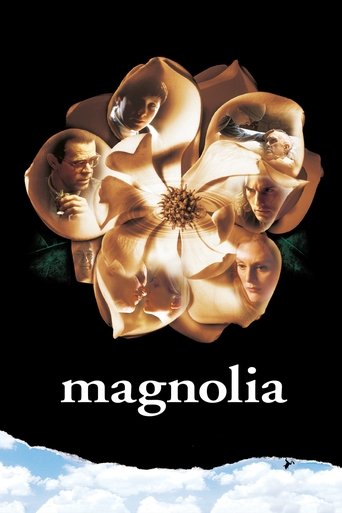
Not horror, but the Rosetta Stone. Paul Thomas Anderson's 1999 ensemble piece is the film Cregger has repeatedly pointed to, and the fingerprints are everywhere in Weapons. The narrated cold open about coincidences and cosmic patterning; the way the camera glides between a dozen bruised lives orbiting a single unspoken catastrophe; the willingness to let an act break become something biblical — Anderson's rain of frogs primes you, three decades early, for Cregger's own act-break audacity.
The connection isn't subtext. Alden Ehrenreich's twitchy, self-loathing cop in Weapons owes a direct debt to John C. Reilly's Officer Jim Kurring in Magnolia — same lonely-good-man frequency, same sense that decency is barely keeping the character upright. Watch Magnolia after Weapons and the ensemble weave feels less like influence and more like translation.
2. Barbarian
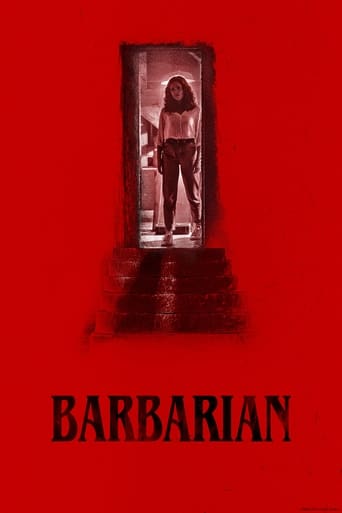
Cregger's own previous feature is the clearest evidence that structural sleight-of-hand is his signature move, not a one-off. Barbarian spends its first act as a tight two-hander in a rented Detroit house, then hard-cuts mid-film to Justin Long driving a convertible in Los Angeles, whistling. The tonal whiplash is the whole idea. You spend the next twenty minutes wondering if you've walked into a different movie.
That cut is the seed of Weapons. Where Barbarian ruptures the frame once — training audiences to distrust every establishing shot — Weapons expands the trick to six voices and a full town. Cregger is essentially betting that if you liked being lied to before, you'll love being lied to in surround sound.
3. Prisoners
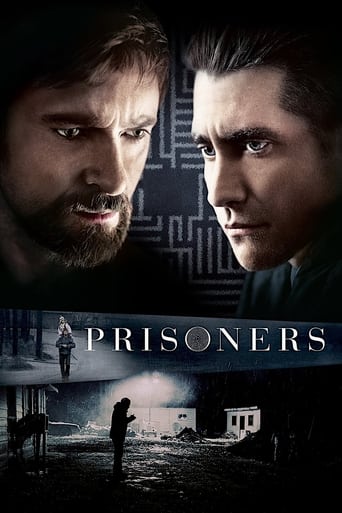
Cregger has specifically cited Denis Villeneuve's 2013 procedural as a touchstone, right down to the washed-out, rain-bruised cinematography that Roger Deakins made feel like a bruise on the eye. The connective tissue is obvious once you look: a missing-children premise, a town paralyzed by grief, a detective story that treats every character as their own locked room.
Prisoners isn't multi-perspective in the same braided way, but it shares the procedural gravity — the sense that horror can be built through investigation rather than jump scares, that dread accumulates when the movie takes the disappearance as seriously as the parents do. Weapons' Detective Marcus (Ehrenreich again) is closer to Jake Gyllenhaal's Detective Loki than to any traditional genre lawman.
Meta-Frames and Genre Autopsies: Horror About Horror
The next tier is films that don't just fracture perspective — they stand outside the genre entirely and dissect it. Weapons does something similar, using its god's-eye braid to step outside any single point of view and look at the town as a specimen.
4. The Cabin in the Woods
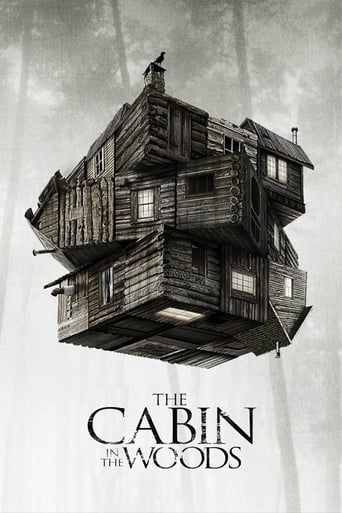
Drew Goddard and Joss Whedon's 2012 puzzle-box is the spiritual cousin to Weapons' omniscient structure. The dual-narrative framing — five college kids in the woods above, a control room of technicians manipulating their doom below — is essentially the same trick Cregger plays in slow motion. Both films let the audience see the mechanism, then dare you to keep caring about the characters trapped inside it.
NPR's review famously read Cabin as a "dead-serious genre exorcism," and that phrase applies just as well to what Cregger is up to. Both films punish audiences who think they've figured out the rules; both understand that the deepest horror move in 2010s-and-onward genre cinema is showing the machine the movie is built from and making it scarier anyway.
5. Talk to Me
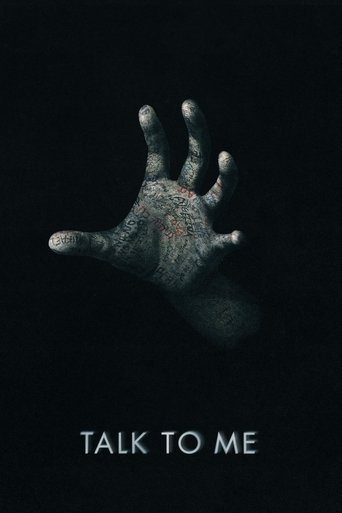
Danny and Michael Philippou's 2023 debut shares Cregger's willingness to let horror ride on ensemble grief rather than a single Final Girl. The embalmed hand at the film's center works exactly like Weapons' 2:17 AM — a shared communal rupture the story returns to from different angles, each pass revealing more of what the ritual costs.
The Philippous, like Cregger, come out of internet-native filmmaking (YouTube in their case, sketch comedy in his), and both are part of a broader 2020s movies horror resurgence that trusts audiences to sit with grief without a tidy exorcism at the end. Pair Talk to Me with Weapons and the through-line becomes obvious: this generation of horror filmmakers has decided the family, the friend group, and the town are more terrifying containers than the haunted house ever was.
Can't Decide What to Watch?
Let RandomFlix pick a movie for you. One click, one great movie.
Roll the DiceFormal Rule-Breakers: When Horror Becomes Something Else Entirely
The final tier is the most experimental — films that don't just fracture story but shatter film grammar itself. Weapons pushes at the edges of what a mainstream horror release can look like. These push further.
6. Skinamarink
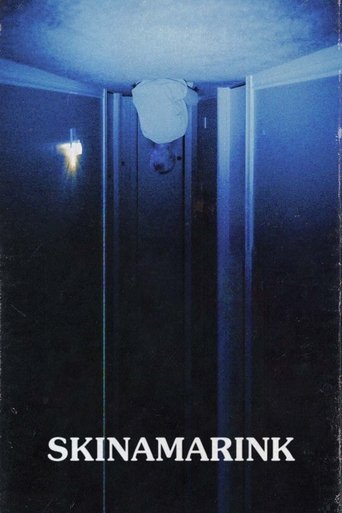
Kyle Edward Ball's 2022 feature is the extreme endpoint of Cregger's willingness to abandon convention. Shot for pocket change in Ball's childhood home, it consists largely of ceiling corners, staticky Fisher-Price toys, and half-glimpsed shadows, with dialogue whispered so low you lean forward to catch it. SlashFilm has covered how the film crystallized the experimental movies analog-horror subgenre — the aesthetic of VHS artifacts and liminal 1990s domestic spaces used as pure dread engines.
Where Weapons fragments plot, Skinamarink fragments perception. There's barely a story to follow; there's only the sensation of being four years old in a house that has quietly stopped obeying physics. If Cregger's film is the mainstream stress test for how weird horror storytelling can get in a wide theatrical release, Skinamarink is the pure lab experiment that proved audiences would follow filmmakers almost anywhere.
7. Hereditary
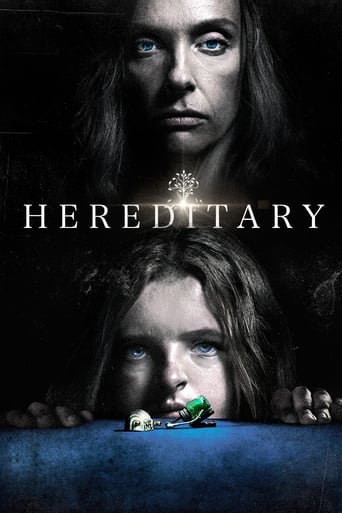
The other half of Cregger's "Magnolia meets Hereditary" pitch, and the film that sets the template for grief as structural principle rather than theme. Ari Aster's 2018 debut spends its first act training you to watch one kind of movie — a slow-burn family drama with occult margins — and then, roughly forty minutes in, breaks its contract with the audience so completely that the rest of the film has to be rebuilt from the wreckage.
That's the Cregger move too. Weapons keeps making and breaking its own contracts, letting each new perspective invalidate the last. Both filmmakers understand that structural rupture, when timed precisely, doesn't just shock — it recalibrates every scene that comes after it. You watch the second half of Hereditary, or the fifth chapter of Weapons, with a completely different nervous system than the one you brought in.
8. Bring Her Back
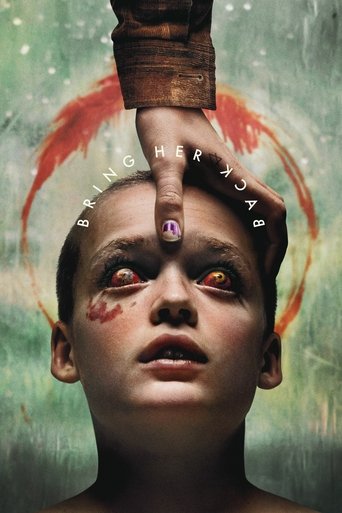
The Philippou brothers' 2025 follow-up to Talk to Me sits in the exact current Weapons is riding — a year of horror that trusts audiences with strange shapes, unhurried grief, and endings that refuse to explain themselves. It's a smaller, sadder film than Weapons, but it shares the same conviction: that horror in the mid-2020s can be as formally ambitious as any prestige drama and still open on 2,000 screens.
Situate Bring Her Back alongside Sinners and Companion and the pattern gets hard to ignore. Cregger isn't working alone. 2025 has become the year the genre stopped apologizing for weird structure, and these three films — plus 28 Years Later — are the corroborating evidence.
Where To Go From Here
The bet Cregger made with Weapons — that a wide summer horror release could sustain a six-perspective braid and a cold open cribbed from a 1999 PTA film — paid off, hard. The next stress test is his forthcoming Resident Evil, where the question becomes whether this structural ambition survives contact with IP. If it does, the door swings even wider for the filmmakers on this list and the ones coming behind them.
Until then, there's a deep bench of Cregger-adjacent nightmares waiting. If you want the algorithm to pick your next one, spin the dice on the horror movies shelf at RandomFlix and let the shape find you.