Why Toy Story 5 Hits Different for Adults
On June 19, 2026, Pixar returns to the franchise that taught a generation how to grieve a childhood, and this time the antagonist isn't a collector or a daycare bully or a stuffed bear who smells like strawberries. It's a tablet. Bonnie's new touchscreen device, Lilypad, thinks she should move on from toys, putting the screen at odds with Woody and Buzz. The premise sounds almost too on-the-nose for a 2026 culture war headline — and the trailer duly sparked one — but what's underneath it is the same ache the series has been running on since 1995.
Director Andrew Stanton has framed it as an "existential problem": nobody really plays with toys anymore. That's the engine. The gags about Wi-Fi and apps are the chassis, but the engine is the slow, grown-up dread of being outgrown by someone you love. The Toy Story films have always been about adult fears dressed in plush — obsolescence, replacement, being left in the box while the world moves on without you. Lilypad isn't a villain. Lilypad is just time, with a friendly UI.
If you're the kind of viewer who's been wrecked since you first saw Jessie watch the seasons change out a bedroom window in Toy Story 2, this article isn't going to litigate whether kids spend too long on iPads. It's going to point you at seven sentimental animated films — across studios, decades, and continents — that scratch the exact same nerve the Toy Story 5 trailer just bruised.
The Sentimental-Animation Lineage, Defined
There's a quiet genre inside animation that doesn't really have a name. It isn't "sad cartoons." It isn't even tearjerker animation, exactly, because the tears aren't usually about death. They're about being left behind: by a child who grew up, a parent who couldn't stay, a war that ended, a technology that replaced you, a memory that faded.
Call it the abandonment lineage. Its central image is something small — a toy, a robot, a shell, a ghost — watching something larger walk away. The conflict is rarely external. The villain, when there is one, is almost always time.
You can trace this lineage back through 1990s movies American animation, when Pixar and Brad Bird started smuggling adult grief into family films, and forward into Studio Ghibli's quieter 2010s run, where Hiromasa Yonebayashi and the late Isao Takahata kept making films about kids whose interior weather was the whole movie. Pixar is the populist branch of this tradition. Ghibli is the literary one. The stop-motion outliers fill in the margins.
It's also why animation movies as a category is so often misread. The filter readers actually want isn't "for kids" or "for adults" — it's tonal. The lineage below is about feeling, not demographic.
Seven Movies Like Toy Story for Adults Who Cry at Pixar
Ordered loosely from closest-cousin to deepest-cut, every one of these shares Toy Story 5's central ache about what gets left behind.
The Iron Giant
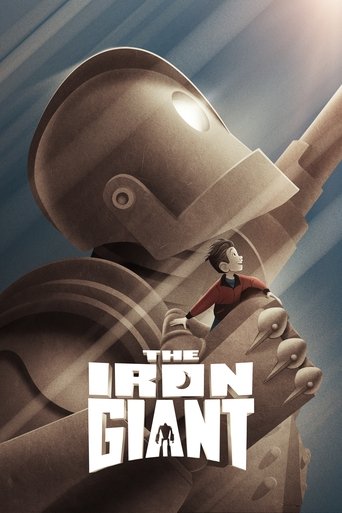
Brad Bird's 1999 Cold War fable about a boy and a giant war machine learning what it means to choose to be good remains, twenty-five years on, the platonic ideal of grown-up animation. Rotten Tomatoes' critics' consensus calls it the most empathetic and exhilarating mainstream American animated feature ever made, and that empathy is the Toy Story connection — not the action beats, not the design, but the way the film treats its hero's interior life as the actual plot.
The Giant's final whispered "Superman" is the closest thing in animation to Woody watching Andy drive away to college. Both moments work the same way: a small, devoted thing letting go of a larger one because love means letting go. The film was a famous box-office failure on release; its reputation took years to catch up to its feeling. Most of the great ones in this lineage do.
When Marnie Was There
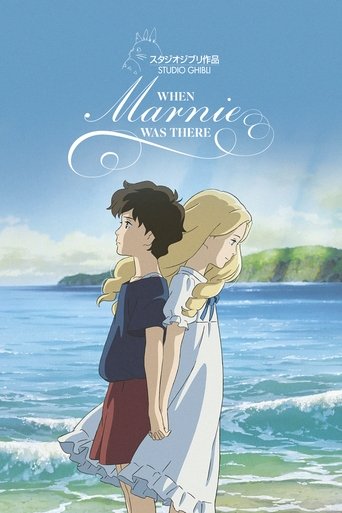
Studio Ghibli's 2014 elegy is about a depressed foster child sent to the seaside for her health, where she meets a mysterious blonde girl who lives in an abandoned marsh house. To say much more is to spoil one of the most quietly devastating final acts in the studio's catalog. Roger Ebert's site has called it emotionally raw — and the final reveal reframes the entire movie as a story about generational abandonment, memory, and the kind of healing that happens decades after the wound.
It shares the quietest Toy Story theme: the people (and the toys) who loved us are still loving us, even when we can't see them anymore. If the Up opening montage left you face-down on the couch, Marnie is its grown-up counterpart — the same emotional frequency, tuned a half-step lower.
Toy Story 3
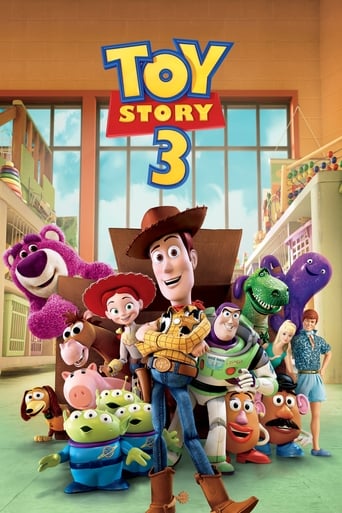
The incinerator scene. The handoff to Bonnie. The hands.
Fifteen years later, the third film remains Pixar's most adult ending — not because of the stakes, but because of how it refuses easy comfort. Worth rewatching before Toy Story 5 specifically because it sets up Bonnie as the kid who is now, in 2026, old enough to want a tablet instead of a cowboy doll. The trilogy-closer that wasn't has become something stranger and sadder: the prologue to a story about being given away again.
Up

The four-minute "Married Life" sequence at the start of Up remains the gold standard for animated grief, and it has been imitated so often since 2009 that it's easy to forget how radical it was. No dialogue. No villain. Just a life, lived and ended, in the time it takes to drink a cup of coffee.
Carl's house, like Woody's place on Andy's shelf, is a monument to a life that's already over. The brilliance of the film is that its second half earns the opening by refusing to let Carl stay frozen there. That's a lesson Woody keeps having to relearn, sequel by sequel. Lilypad is just the latest teacher.
Coco
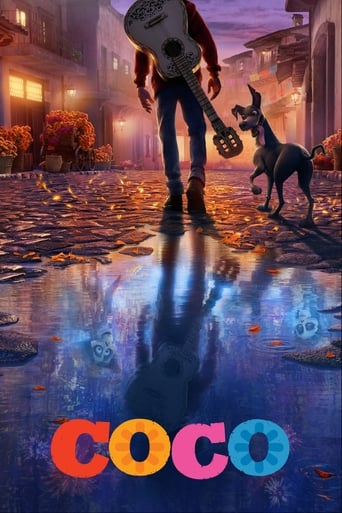
"Remember Me" is the inverse of "When She Loved Me." One song is about being forgotten; the other is about being outgrown. They are the same song from opposite ends of a life.
Coco is Pixar's most explicit statement that obsolescence and death rhyme — that to be forgotten is to die a second time — which is exactly what Toy Story 5 is quietly about under the iPad jokes. The Miguel-and-Héctor finale belongs on any honest tearjerker shortlist, and the film as a whole is the warmest, most hopeful entry on this list. Cathartic, not cruel.
Can't Decide What to Watch?
Let RandomFlix pick a movie for you. One click, one great movie.
Roll the DiceGrave of the Fireflies
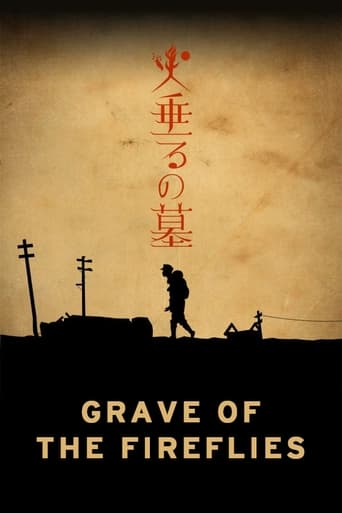
The deepest cut, the hardest watch, and the film I always hesitate to recommend without warning. Isao Takahata's 1988 Ghibli devastation about a brother and sister in the last weeks of World War II is here because it shares Toy Story's central image: small things and small people trying to protect each other in a world that has already moved on.
It is not a casual evening. It is not a date movie. It is barely a recommendation in the normal sense of the word. But the lineage isn't honest without it — every sentimental animated film about abandonment is, in some way, in conversation with Grave of the Fireflies, whether the filmmakers know it or not.
Marcel the Shell with Shoes On
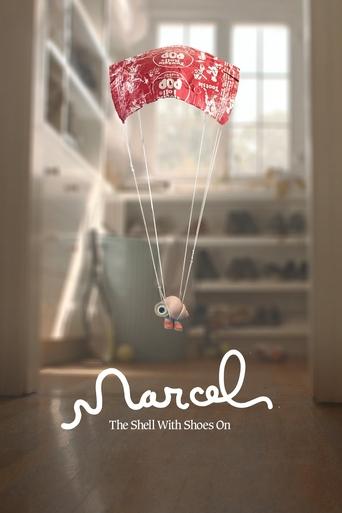
The 2021 stop-motion sleeper about a one-inch shell with a single googly eye, searching for his lost family in an Airbnb after the human couple who owned the house broke up and accidentally swept his whole community into a sock drawer.
That sentence sounds absurd. The movie is not. It is the closest spiritual sibling to Toy Story 5's premise on this entire list: a small, soft, forgotten thing trying to find its people in a world that has gotten too big and too digital and too fast. The film is proof that this lineage is still alive outside the major animation studios — and that the smallest possible protagonist can still carry the largest possible feeling.
How to Watch Them (Without Overthinking It)
These are mood watches, not a syllabus. The right one depends on the kind of cry you're after.
If you want catharsis with a hopeful ending, The Iron Giant or Coco will get you there and put you back together before the credits roll. If you want to be quietly destroyed and walk around the rest of the night feeling like a stranger in your own apartment, When Marnie Was There or — and only if you're really sure — Grave of the Fireflies.
When you genuinely can't decide between Ghibli and Pixar at eleven at night, RandomFlix's dice roll is a perfectly good way to let the choice make itself.
The Real Subject of Toy Story 5
Lilypad isn't the villain. Time is. That's been the Toy Story subject since 1995, when a cowboy doll first looked at a space ranger and understood, before Andy did, that he was about to be loved less.
The films in this lineage — Bird's, Ghibli's, Pixar's, Camp's — all understand that animation's real superpower isn't spectacle. It's making the abstract ache of being left behind into something small enough to hold in your hand. A shell. A robot. A cowboy doll in a yard sale box. A girl in a marsh house who was never really there.
If Toy Story 5 lands the way the trailer suggests it might, it'll send a lot of grown adults back through the rest of the catalog looking for the same hurt in different shapes. animation movies is full of them, and the 2010s movies alone could keep you in tissues for a month.