The Hall H Moment That Sent Punisher Fans Back to the Vigilante Canon
The San Diego Comic-Con footage did exactly what Marvel wanted it to do. Jon Bernthal walked out at Hall H, introduced a reel that ended with Spider-Man, Frank Castle, and the Hulk locked in a three-way brawl, and the internet promptly split in half. One camp lost its mind at the sight of Bernthal back in the skull vest. The other camp — the one that spent years defending the Netflix run — immediately started worrying about what a PG-13 Frank Castle actually looks like on screen.
Their concern is not paranoid. It's structural. Bernthal has said, over and over, that he feels "enormously protective" of Frank, and that protectiveness is why his The Punisher still feels like the definitive live-action take almost a decade later. Frank Castle only works when the violence costs something. Sand that down and you don't have the Punisher — you have a guy with a t-shirt.
The good news is that the antidote to that worry is already sitting in film history. Frank isn't a superhero who wandered into a crime story. He's the latest in a long line of grief-poisoned loners that crime movies and action movies cinema has been sketching since Nixon was in office. Rewatch the right seven films and Bernthal's protectiveness stops sounding precious. It starts sounding like curatorship.
The criteria for what follows are simple: lonely men, blurred ethics, real consequences, and no cape-movie catharsis at the end. No quips. No hero shots. Just the specific bruise the Punisher keeps pressing on.
The Blueprint: Where Frank Castle's Ethos Actually Comes From
Critics keep naming the same trinity. When The Playlist mapped the revenge-film canon, it traced a straight line from Don Siegel's cop movie through Michael Winner's grief thriller through Scorsese's fever dream, and it named the Punisher as an heir to all three. Screen Rant has been even more direct, calling Bernthal's Frank a Charles Bronson-esque avenger and citing Death Wish and Taxi Driver as spiritual load-bearing walls for the Netflix show.
That's the through-line. Frank is closer to a 1970s movies loner than a Marvel hero. He's grief-driven, self-loathing, allergic to being watched, and fundamentally uninterested in whether the audience approves. The Netflix run understood that. It played less like a comic-book adaptation and more like a grounded crime drama that happened to feature a skull.
What follows is a ranked lineage — two foundational texts, two spiritual middle-children, three modern descendants — each one illuminating a specific piece of the Punisher's DNA that a PG-13 movie will need to honor.
7 Films to Watch Before Brand New Day
1. Taxi Driver (1976)
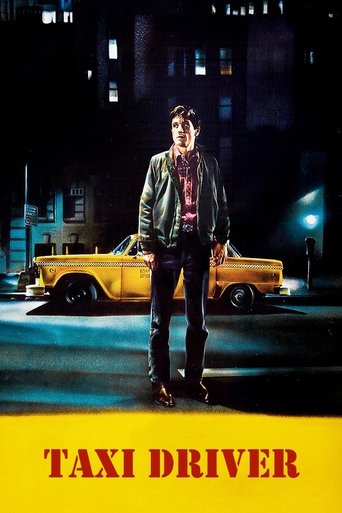
Every future screen vigilante is basically doing Travis Bickle karaoke, and the original review understood that immediately. Variety's 1976 write-up read Paul Schrader's screenplay as sociological horror — a portrait of a disillusioned Vietnam veteran-turned-vigilante whose interior monologue would become the template for the next fifty years of anti-hero cinema.
Watch it back-to-back with the Netflix show and the fingerprints are everywhere. Travis's mirror scene, with its arithmetic of imagined threats, is the direct ancestor of Frank's basement armory rituals — both men rehearsing violence because that's the only activity that makes them feel located inside their own bodies. The anti-hero movies archetype starts here and never really evolves past it. It just puts on different jackets.
2. Death Wish (1974)
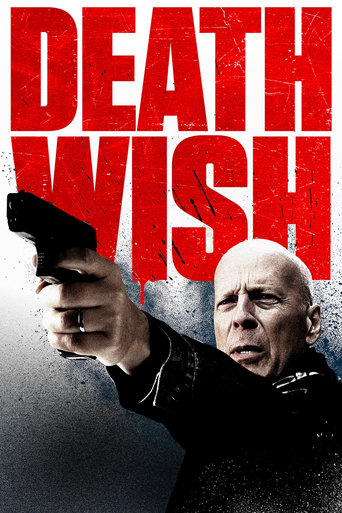
If Taxi Driver is the interior monologue, Death Wish is the architecture. Charles Bronson's Paul Kersey — grieving husband, mild-mannered professional, pipeline from loss to a loaded gun — is the direct structural ancestor of Frank Castle. Same origin. Same city-as-antagonist framing. Same uneasy audience seat.
Screen Rant's read on Frank as "Bronson-esque" is made almost embarrassingly literal here. What the Netflix show did that Death Wish couldn't quite do in 1974 was interrogate the politics it inherited. Frank isn't celebrated inside the show's world. He's mourned, feared, and quietly indicted, even by the characters who love him. That's the corrective the modern lineage owes to this one.
3. Dirty Harry (1971)
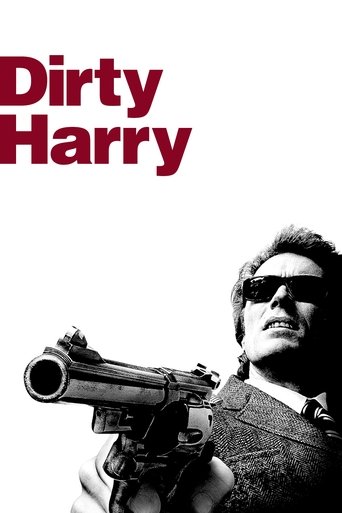
The other half of Frank's DNA carries a badge. Don Siegel's film reframed the vigilante impulse as institutional failure — the argument that the system is so broken a righteous man has to break it further to fix it. That's the exact ethical soil Frank grows in, minus the paycheck.
Harry Callahan's cold pragmatism is the tonal opposite of Castle's warm rage. Callahan is amused. Castle is destroyed. But the worldview underneath — that laws are inadequate to grief and that some men are conscripted into violence by the failure of everyone around them — is identical. Two temperatures, same fire.
4. Blue Ruin (2013)
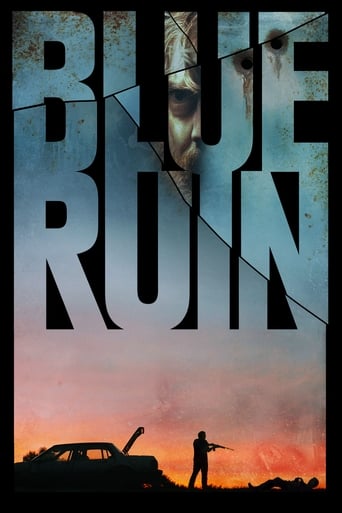
Here's where the lineage gets interesting. Jeremy Saulnier's masterpiece of amateur-hour revenge is what happens when you strip away the competence porn and leave only the grief. The avenger is bad at it. He panics. He bleeds. He forgets things.
This is the closest tonal cousin to the Netflix show's first season, specifically the quieter grief passages — the ones where Frank isn't a killing machine but a man who cannot figure out how to be alive anymore. If you loved Frank's messy, breathing home-invasion sequence more than any of his set-piece shootouts, Blue Ruin is the film you didn't know you were looking for. It's a revenge movie that treats revenge like a mistake the protagonist is too far inside to abandon.
5. Wind River (2017)
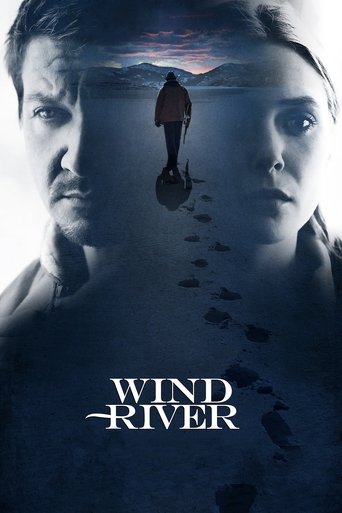
Taylor Sheridan's ice-cold moral calculus already puts this on the list, but Punisher fans have a specific reason to revisit it: Bernthal himself. His appearance is brief and incendiary, and the interrogation-of-a-suspect sequence he anchors plays like a scouting report for Frank Castle's specific brand of quiet menace. Rotten Tomatoes' curated rundown of Bernthal's filmography singles this performance out for exactly that reason.
The bigger idea, though, is structural. Sheridan reframes vigilante justice as a jurisdictional void — the law doesn't fail because it's corrupt, it fails because it was never designed to reach here in the first place. That's the Punisher problem transposed onto a snow-covered reservation instead of Hell's Kitchen. Same question. Different landscape.
Start a Watchlist
Keep track of every movie that catches your eye. Your watchlist, your rules.
Start Your Watchlist6. You Were Never Really Here (2017)
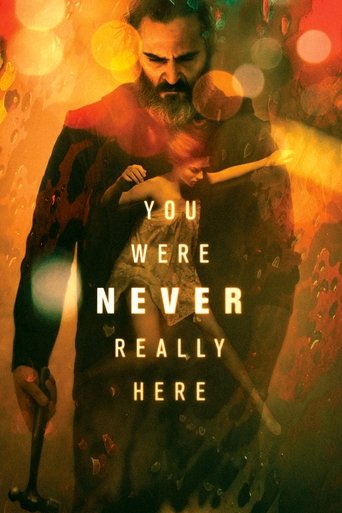
Lynne Ramsay's hammer-wielding rescue thriller is the arthouse Punisher fans didn't know they wanted. Joaquin Phoenix's Joe is, functionally, a Frank Castle who never got the Marvel logo — same PTSD, same tactical brutality, same relationship with a weapon that isn't quite a weapon because it's really a coping mechanism. More silence, though. Much more silence.
This is also the film that most closely matches the R-rated register Bernthal is publicly fighting to preserve. The violence is loud when it happens and unbearable in the pauses around it. There's no catharsis. Joe survives without being repaired. If Brand New Day can find even one scene that operates in this key, the protectiveness will have paid off.
7. Sicario (2015)
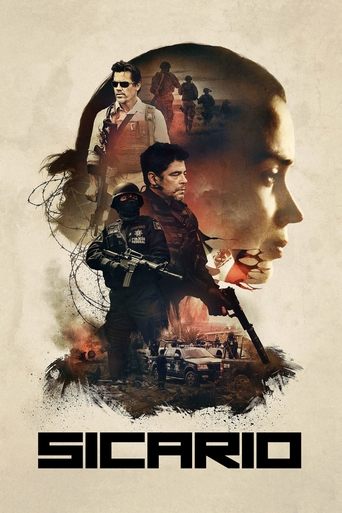
Denis Villeneuve's border thriller is the last stop before you queue up the new special, and it's the closest structural cousin to the Netflix show's second season and its shadow-agency machinations. Benicio del Toro's Alejandro is the vigilante as ghost — a man used as a weapon by a system that refuses to name him, doing to cartels what nobody in a suit can afford to be seen doing.
That's the endgame of the lineage. Once the culture has spent fifty years asking whether a righteous man can operate outside the law, Sicario answers by pointing out that the law has been quietly hiring him the whole time. This is what happens when the vigilante becomes the instrument. It's the exact ideological territory Frank has always occupied, and it's the reference point every subsequent Punisher story has to reckon with.
What This Lineage Tells Us About Brand New Day
Look at those seven films in a row and Bernthal's protectiveness stops sounding like an actor being precious about his part. It sounds like someone who has read the canon and knows exactly which bloodline he's guarding. A PG-13 Frank Castle has to earn his place in this company. That doesn't necessarily mean explicit gore — You Were Never Really Here proves how much can be done with implication — but it does mean consequence, grief, and the stubborn refusal of catharsis. Those are non-negotiable.
The connective tissue between the Netflix run and the new film, of course, is Punisher: One Last Kill, the standalone special that reintroduces Bernthal's Frank in his full brutal, revenge-driven register before the crossover. Variety's coverage of the special positions it as a deliberate bridge between the character's Netflix origins and his imminent MCU debut. Watch it after the seven above and the throughline is unmistakable: Frank Castle is not a superhero who occasionally strays into darker material. He is a thriller movies protagonist who happens to exist inside a shared universe of superheroes, and the tension between those two facts is the entire point.
CBR framed the Netflix show as a grounded character drama that happened to be dressed as a superhero series, and that framing is the one Marvel needs to protect now. The skull isn't a costume. It's a scar.
Keep the Rewatch Going
Frank Castle earned his defenders because the story around him always understood what it was doing. Seven films, one special, a rewatch of the Netflix run, and you'll be walking into Brand New Day with the entire lineage loaded — and a much clearer sense of what the movie has to get right.