The Bride Comes Home to Netflix
On September 1, 2026, Ready or Not slid quietly onto Netflix, and the timing was no accident. Six months earlier, Searchlight had returned to the Le Domas estate with a theatrical sequel, and suddenly the 2019 sleeper about a bride hunted by her in-laws was a franchise. The streamer's decision to add the original just as audiences were catching up on the sequel gave a whole new wave of viewers their first taste of Samara Weaving in a shredded wedding dress, cradling a shotgun, screaming through a mansion at dawn.
Weaving's Grace is now firmly enshrined among the great modern final girls. She marries into the Le Domas family — old money, board-game empire, satanic pact — and discovers on her wedding night that her new in-laws intend to hunt her until sunrise as part of a centuries-old ritual. The film's brilliance is how cheerfully it lets the family fumble the murder; these are rich people who've never had to try, and the horror-comedy fizz comes from watching entitled adults miss with crossbows while a bride outsmarts them in sneakers.
If you finished that movie hungry for more of the same — more ritual, more class rage, more blood on chandeliers — you're in luck. Ready or Not isn't a one-off. It's the latest bloom on a hardy vine that stretches back a full century, to a 1924 pulp story that keeps rewriting itself for every generation that grows suspicious of the wealthy. What follows isn't a scattershot thriller list. It's a guided tour of the killer-games subgenre: eight films that hunt the same prey Ready or Not does, using very different weapons.
What Actually Makes a 'Ready or Not' Movie
The killer-games thriller runs on a specific engine. There must be a game — with rules, a starting bell, and a finish line. The stakes must be lethal. The hunters must be rich or powerful, and the hunted must be neither. The arena is almost always a confined estate, a private island, or a wilderness owned by someone who wouldn't call it wilderness. And the tone leans dark-funny; the absurdity of watching millionaires cosplay as predators is baked into the recipe.
The template's paper trail leads directly to Richard Connell's 1924 short story "The Most Dangerous Game," in which a shipwrecked hunter becomes prey for a bored Russian aristocrat. Every subsequent horror movies or thriller movies entry in this vein — every masked-killer mansion movie, every rigged dinner party, every private-manor manhunt — descends from Connell's premise that boredom plus wealth eventually reaches for a rifle.
What separates these films from adjacent modes matters. A home invasion is chaotic; a slasher is opportunistic. A killer-games thriller is organized. Someone drew up rules. Someone printed invitations. That formality — the pretense of fairness — is where the satire lives. The best of these films use their game as a Trojan horse, smuggling in commentary about inheritance, marriage-as-transaction, and the quiet violence of old money.
8 Killer-Games Thrillers to Stream Next
Ranked from closest tonal cousin to most adventurous detour.
1. You're Next
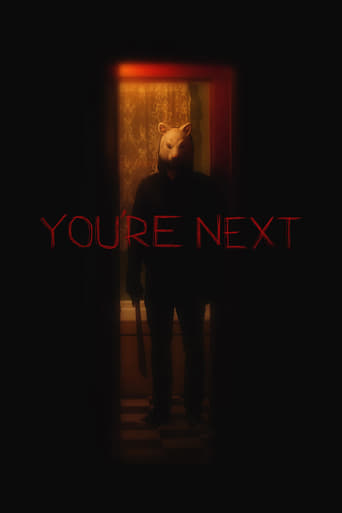
Adam Wingard's 2011 home-invasion knockout is the closest sibling Ready or Not has, and watching them back-to-back is one of the great modern horror double features. A family reunion at a remote estate turns into a masked-killer massacre, and the twist — that the assailants were hired by heirs impatient for their inheritance — directly prefigures the Le Domas in-laws-from-hell setup.
Sharni Vinson's Erin is the prototype for the Grace-style final girl: outwardly ordinary, secretly lethal, and increasingly enjoying herself as the bodies pile up. The film also gleefully skewers the dysfunctional-rich-family dinner scene, complete with passive-aggressive toasts before the arrows start flying. If Ready or Not felt like it arrived fully formed, You're Next is the reason why.
2. The Hunt
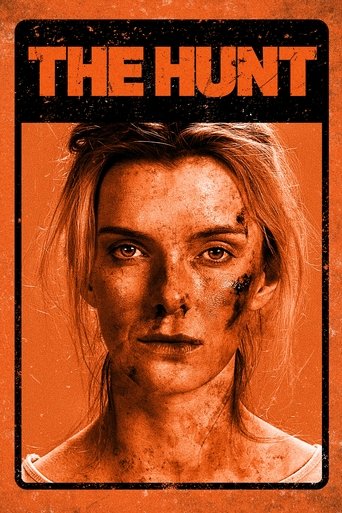
Craig Zobel's 2020 Blumhouse provocation is the most literal Most Dangerous Game riff of the streaming era, weaponizing the template for the culture-war moment. A group of self-described "deplorables" wake up gagged in a field and quickly realize they've been transported to a private manor where wealthy liberals intend to hunt them for sport.
Betty Gilpin's Crystal is the anti-Grace — where Weaving plays panic and improvisation, Gilpin plays taciturn, tactical, and unnervingly composed. Critics singled the film out as the closest recent cousin to Ready or Not, with Empire framing it as a Most Dangerous Game–style thriller about elites hunting ordinary Americans. The class satire is more overt and considerably nastier, but the DNA is identical: rich people who mistake their prey for helpless.
3. Would You Rather
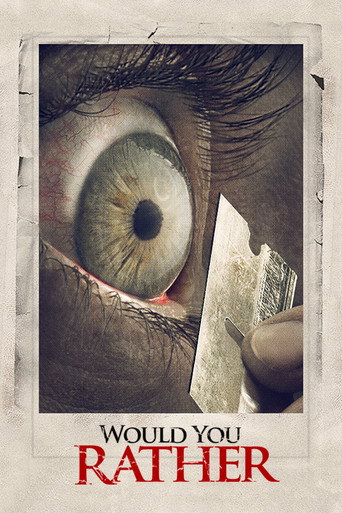
David Guy Levy's 2012 chamber piece is the leanest, meanest entry on this list. Brittany Snow plays a young woman desperate for money to save her sick brother, which is how she ends up at a wealthy sadist's dinner party where the after-dinner entertainment is a party game escalating from mild indignities to lethal choices.
The film shares Ready or Not's "hospitality as horror" framing — the elegant table, the polite host, the terrible thing about to happen between courses. It's pure single-location-thriller movies craftsmanship, and Jeffrey Combs as the beaming, sociopathic host is worth the runtime alone.
4. Villains
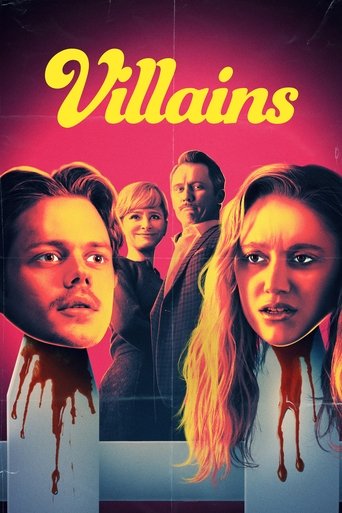
Bill Skarsgård and Maika Monroe play a pair of small-time criminals who break into what looks like a soft-target suburban house in this 2019 pitch-black comedy, only to discover that their hosts are far more dangerous than they are. Trading the mansion for a middle-American living room, it keeps the trapped-with-lunatics tension and jet-black humor Ready or Not fans crave.
Jeffrey Donovan and Kyra Sedgwick, as the owners, are the polite-sociopath equivalent of the Le Domas clan — all southern courtesy and horrifying basement. It's a smaller-scale film than most on this list, but the tonal fingerprint is unmistakable.
5. Ready or Not 2: Here I Come
The 2026 Searchlight sequel that premiered at SXSW before its March 20 theatrical release expanded the Le Domas mythology and, per its reported $43 million gross against a $14 million budget, brought a lot of new eyes back to the original. Essential viewing for anyone catching Ready or Not on Netflix — it's the natural next stop before venturing further afield.
Without spoiling the specifics, the sequel deepens the class satire by asking what happens after a bride survives a satanic pact, and how the family's institutional wealth adapts to inconvenient truths. The ritual gets bigger. The stakes get louder. The blood, somehow, gets funnier.
Can't Decide What to Watch?
Let RandomFlix pick a movie for you. One click, one great movie.
Roll the Dice6. The Most Dangerous Game
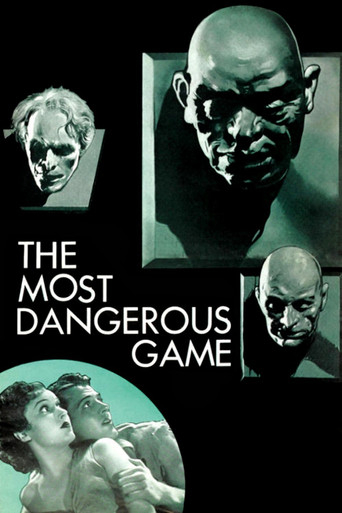
The 1932 original that started all of this. Joel McCrea plays a big-game hunter shipwrecked on a private island where Count Zaroff, a bored Russian aristocrat with impeccable manners and an appalling hobby, offers him hospitality — and then, when night falls, a head start.
It's a brisk 63 minutes and it's the Rosetta Stone for everything on this list. Watch it to see every trope Ready or Not inherited in its earliest, most elegant form: the wealthy host with a secret, the confined arena, the game with rules, the class chasm dressed up as sport. This 1930s movies B-picture seeded a century of imitators, and it still moves like a shark.
7. Hard Target
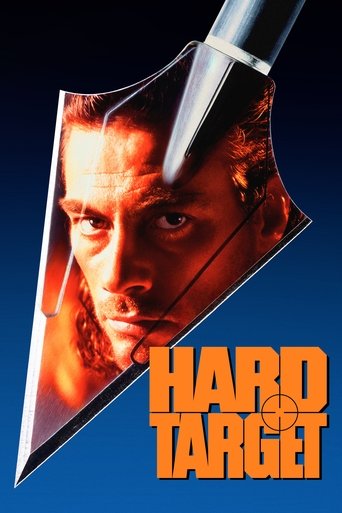
John Woo's 1993 American debut relocates the Connell template to New Orleans, with Jean-Claude Van Damme as a mullet-sporting drifter hunted for sport by Lance Henriksen's smirking millionaire, who arranges private hunts for wealthy clients who want to know what it feels like to kill a human being.
Hard Target is the action-movie cousin of Ready or Not — same class dynamics, wildly different tempo, and Woo's balletic gunplay in place of nail-gun slapstick. It's essential 1990s movies action and definitive proof that the killer-games premise bends to nearly any register, from horror-comedy to slow-motion doves-and-explosions.
8. Knives Out
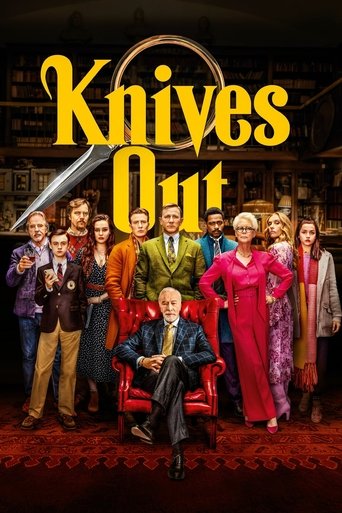
Rian Johnson's 2019 whodunit is the most adventurous detour on this list, and the most rewarding. It swaps the crossbow for a magnifying glass, but the target is identical: a monstrous wealthy family whose fortune is built on cruelty, whose bickering over an inheritance drives the plot, and whose kindest member is the outsider they've been quietly exploiting.
Ana de Armas's Marta is Grace's spiritual cousin — the newcomer the Thrombey clan underestimates at their peril. Chris Evans's Ransom could easily have married into the Le Domas family. Watch it when you want the class satire without the arterial spray, or when you want to remember that "the rich are the real monsters" doesn't have to end in a bloodbath to still leave a bruise.
Where the Subgenre Goes From Here
The wealthy-as-predators premise keeps mutating because the anxieties feeding it keep multiplying. Inheritance panic. Wedding-industry excess. Gig-economy precarity. The persistent sense, in the horror-comedy movies space especially, that hospitality from the very rich is a trap with better linens. Every generation gets the killer-games movie it deserves; ours got a bride in Chuck Taylors versus a family with a hand-carved wooden box.
The Bettinelli-Olpin and Gillett house style — sharp comic timing, gleeful practical gore, a real fondness for their doomed characters — has since carried over into their Scream revival, and it's become one of the defining voices in modern genre filmmaking. Their trick is that they take the game seriously even when the players are ridiculous. That's the whole subgenre in a sentence, actually: rules matter, even to people who deserve to lose.
If you'd rather leave the next dinner-party manhunt to chance, RandomFlix's dice can spin you into the killer-games shelf without a syllabus. Otherwise, the eight films above are the map — from a fog-drenched island in 1932 to a Louisiana bayou in 1993 to a Connecticut mansion in 2019 where a very tired bride finally figured out how the box worked.
Grace on the mansion steps at dawn, cigarette lit, gown ruined, family reduced to steaming heaps behind her: that's the image a hundred years of pulp and horror and satire has been building toward. The rich have been inventing new games since 1924. The pleasure of this subgenre is watching one of them, finally, lose.