The Owens Sisters Return: Why Practical Magic 2 Matters More Than Its Box Office Ever Did
On September 11, 2026, Sally and Gillian Owens walk back into a movie theater for the first time in twenty-eight years. Sandra Bullock and Nicole Kidman are reprising the roles that defined a particular strain of late-90s witchy femininity, and they're bringing the whole family with them: Stockard Channing and Dianne Wiest returning as Aunt Frances and Aunt Jet, and Joey King stepping in as Sally's now-grown daughter. The sequel adapts Alice Hoffman's The Book of Magic, extending the ancestral-curse mythology that the original film only glancingly sketched.
Which is a lot of cultural weight to place on a movie that, by every commercial metric available in 1998, was a failure. Practical Magic earned roughly $68 million worldwide against a $75 million budget. Reviews were mixed to hostile. And yet here we are, decades later, watching a legacy sequel greenlit on the strength of a fanbase that grew up rewatching the film every October and writing love letters to it in Vox, Vanity Fair, and The Atlantic.
The strange truth is that Practical Magic 2 doesn't arrive in a vacuum. It lands at the end of a three-decade conversation between films that use covens and sisterhood to say something specific about female power — a conversation the original film helped shape simply by refusing to disappear. To understand why the sequel matters, it helps to trace the lineage of sisterhood-witchcraft cinema outward from that midnight-margaritas kitchen: to teen covens, to Halloween camp, and to the art-house horror that treats a coven as a weapon rather than a comfort.
Defining the Lineage: What Sisterhood-Witchcraft Cinema Actually Is
The sisterhood-witch film is a distinct animal from the solitary-witch archetype. Snow White's queen, Thomasin at the end of The Witch, the singular monstrous crones of fairy-tale tradition — these are stories about a woman alone with her power, usually to her doom. The sisterhood-witch film flips that premise. Here, the coven is the point. The women only fully become themselves in relation to each other.
Three elements tend to recur. There's chosen or blood family — sisters, cousins, aunts, or a friend group that hardens into kin. There's a power that is inherited or awakened together, never in isolation. And there's a patriarchal or external threat that forces the coven to close ranks, whether that threat is a drunken husband, a small-town preacher, a rival cabal, or the devil himself.
That threat is not incidental. Critics writing in the Washington Post and Talk Film Society have long argued that witch cinema is coded feminist storytelling, because the historical figure of the witch was itself invented by patriarchal fear. Every witch movie is at some level a story about what men imagined women might do if left alone together — and what women, watching those movies, imagined themselves. The lineage grew along two branches, horror movies and fantasy movies, though the best films in the tradition tend to smuggle one into the other.
The Cozy Gothic Branch: Autumn, Kitchens, and Curses
Practical Magic
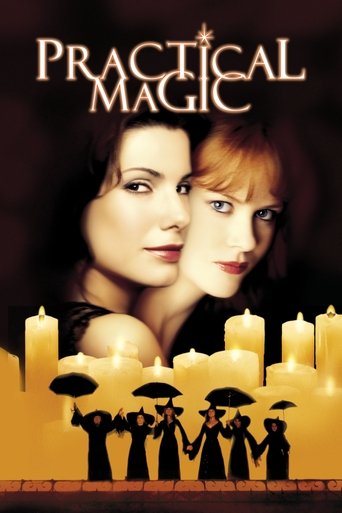
Everything the sequel inherits starts in that Victorian house on the Massachusetts coast. Griffin Dunne's 1998 film is the template for the cozy gothic: grief handled with kitchen magic, sisterly telepathy conducted over margaritas at midnight, and a curse that reads more like family folklore than a horror premise. The Owens women don't defeat evil so much as absorb it into their domestic rhythm — chopping herbs, pouring salt, planting flowers on a grave. It's a film that treats witchcraft as a form of housekeeping.
Hocus Pocus
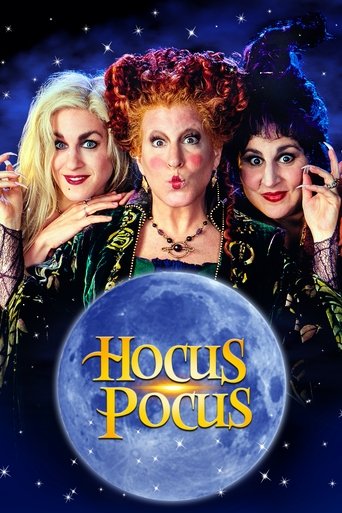
Five years earlier, Disney handed the same "three women, one house, chaos" shape to a comic inversion. The Sanderson sisters are a coven built on vanity and appetite rather than love — but the fundamental architecture is identical, which is why JustWatch's own pre-sequel rewatch guide flags Kenny Ortega's film as the closest tonal cousin to Practical Magic. Winifred, Sarah, and Mary are what the Owens sisters might have become if their curse had won.
The Witches of Eastwick
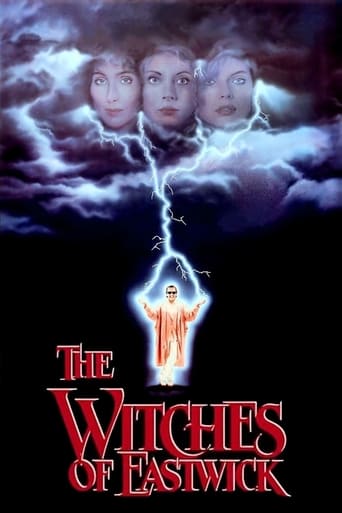
The Reagan-era ancestor. George Miller's 1987 adaptation of the John Updike novel drops three bored New England women — Cher, Susan Sarandon, Michelle Pfeiffer — into a coven they don't quite know they've formed until Jack Nicholson's devil shows up to collect. Read now, it plays like Practical Magic's older, hornier sister: same New England town, same accidental sisterhood, same discovery that female friendship can accidentally summon something enormous. The horror of Eastwick is that the summoning works.
The Teen Coven Branch: Misfits, Mirrors, and Bad Magic
The Craft
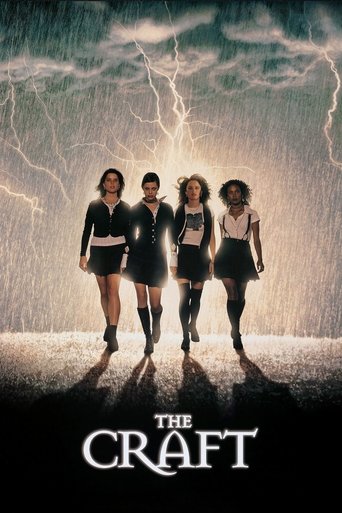
If the cozy branch is about women who have already survived, the teen coven branch is about girls learning what survival costs. Andrew Fleming's 1996 film is the north star. Rolling Stone has since framed it as a formative "misfit-sisterhood celebration," and Nylon's retrospective interviews with the cast document how Fairuza Balk's Nancy Downs became a generation's blueprint for teenage witchhood — a role model and a warning simultaneously.
The Craft's darker suggestion is that sisterhood curdles as easily as it heals. The same circle that lets Sarah levitate above the floor also turns on her the moment power shifts. That's the thematic seed Practical Magic softens with cider and rosemary — but the seed is there in both films, planted in the same soil.
The Craft: Legacy
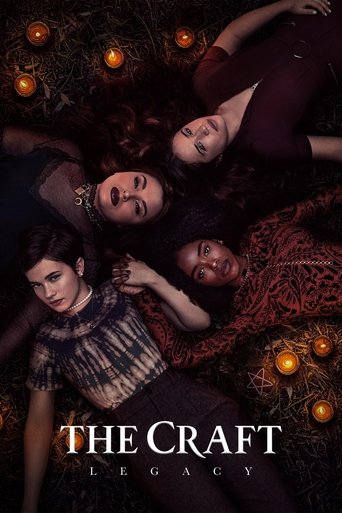
Zoe Lister-Jones's 2020 legacy sequel is worth revisiting now specifically because it's the closest formal analog to what Practical Magic 2 is attempting: a generational handoff, thirty years later, that has to honor its predecessor without becoming a museum piece. It stumbled in places — critics found its politics more gestural than dramatized — but its instincts about inherited witchcraft, and about what a new coven owes an old one, are exactly the questions Joey King's character is about to inherit. Pair it with anything from coven movies or the broader 1990s movies to feel how the teen-witch mode evolves.
Can't Decide What to Watch?
Let RandomFlix pick a movie for you. One click, one great movie.
Roll the DiceThe Art-House Branch: When the Coven Is the Horror
Suspiria
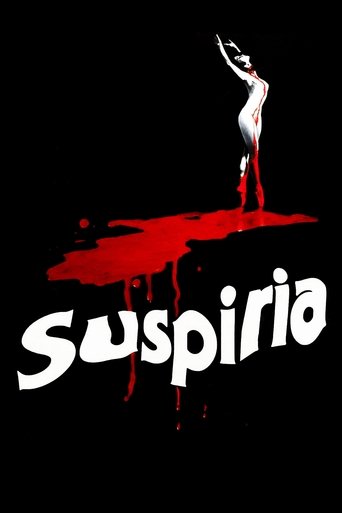
Luca Guadagnino's 2018 remake is the sisterhood-witch film taken to its most formally ambitious extreme. The Washington Post's analysis reads Guadagnino's coven of matrons — the Markos Dance Academy's ancient, murderous faculty — as the engine of a radically feminist argument about power, motherhood, and complicity. Screenwriter David Kajganich has said as much in interviews collected by Talk Film Society: patriarchal fear invented the witch, and Suspiria hands that mythology back to the women who were always its subject.
Watch it after Practical Magic and the tonal whiplash becomes the point. The Owens curse — men who love Owens women die — is a domesticated, kitchen-scale version of the same engine that drives Madame Blanc's coven. Both films are asking what women do with power that men decided to be afraid of.
The Love Witch
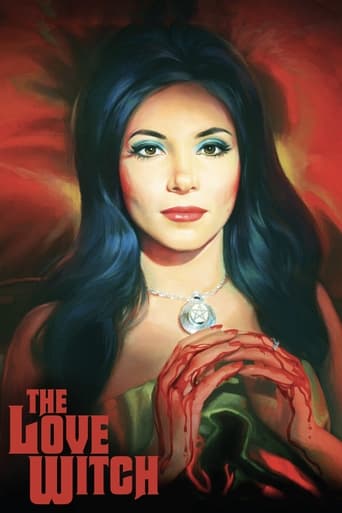
Anna Biller's Technicolor pastiche is the aesthetic bridge between the two poles of the lineage. Shot on 35mm and styled like a lost 1960s melodrama, it holds Practical Magic's autumnal warmth and Suspiria's saturated dread in the same frame. Elaine, its lonely heroine, is a solitary witch by circumstance but a product of a sisterhood tradition — the film is drenched in the iconography of covens even when only one woman is on screen.
Suspiria (1977)
Dario Argento's original is the primal text — less interested in sisterhood as bond than as conspiracy. The women of the Tanz Akademie are terrifying precisely because they act as one and let no outsider in. It's essential viewing to see how far the lineage stretches, and how radically Guadagnino's remake reframed the same coven as tragic rather than merely monstrous.
How These Films Talk to Each Other — and to Practical Magic 2
Watch them in sequence and you can hear them arguing. The Owens curse is the domestic-scale version of Suspiria's ancient evil. The Craft's Nancy is what happens when a teenage Gillian Owens has no aunts to reel her back in. Hocus Pocus's Sanderson sisters are the same three-women-in-one-house shape rendered as farce. Eastwick is the horny middle-aged answer to a question Practical Magic would ask more tenderly a decade later.
Joey King's casting is what puts Practical Magic 2 directly in dialogue with The Craft: Legacy. Both franchises, arriving at a generational-handoff moment, are asking the same question: what does inherited witchcraft look like in 2026, when the daughters have grown up watching their mothers' movies? Hocus Pocus 2 tested this exact formula in 2022 with warmer reception than reviews, and Practical Magic 2 has the benefit of learning from what worked and what curdled.
If you want the sequel's mythology to hit harder in September, follow the tonal temperature outward — cozy to teen to art-house, ending on Guadagnino's Suspiria. By the time the Owens curse is explained again on screen, you'll hear the whole lineage humming underneath it.
Building Your Own Coven Marathon
Six to eight films is enough of a spine: the 1998 original, Hocus Pocus, The Witches of Eastwick, The Craft, The Craft: Legacy, one or both Suspirias, and The Love Witch as a palate cleanser between the warmth and the dread. Branch further into horror movies if the art-house corner grabbed you, or dig into more witches movies titles if you want to stay in the cozy register.
And if you can't decide which corner of the lineage to start in, spinning up a witch-movie night on RandomFlix takes about ten seconds — the dice pick a lane so you don't have to.
The Owens sisters are coming home in September. The films they've been in conversation with for three decades are the reason that homecoming means something. Start the rewatch.