Why Amziah King Feels Like a Sheridan Cousin
Picture Matthew McConaughey in a linen shirt, mandolin slung across his chest, standing barefoot in an Oklahoma bee yard. He hasn't been on a movie screen in six years. When he finally returns, it isn't as a lawyer or a rodeo cowboy or an astronaut — it's as a beekeeper singing to a woman he once took in as a foster daughter. That was the image out of SXSW, and it's the reason a certain kind of moviegoer walked out of The Rivals of Amziah King feeling like they'd just watched a new entry in a very specific American tradition.
Andrew Patterson's film — the one fans keep shorthand-calling "Buddy" — isn't a straight crime picture, and it isn't a folk musical, and it isn't a full-on oater. It's an Oklahoma neo-Western that trades six-shooters for stingers, inheritance for chosen kinship, and range wars for the quieter cruelty of people who want what your family built. The rifle on the wall is beside the point. The loaded weapon is the man himself, the girl he raised, and the bond that binds them.
That's the tradition worth chasing if you loved the McConaughey film. Not just any rural thriller, and not just any western movies — but the specific modern strain where family loyalty is the trigger mechanism, and where the third-act violence is always, at heart, an act of protection.
What Makes a Rural Neo-Western Tick
The neo-Western is Western DNA transplanted into contemporary settings — pickup trucks instead of stagecoaches, meth labs and oil derricks instead of gold claims, wide-open landscapes that still dwarf the people crossing them. Economic decay stands in for the range war. The frontier hasn't closed; it's just been foreclosed on.
What separates these films from urban crime pictures is the land. In a neo-Western, the country itself is a character, and the outsiders threatening it — banks, cartels, oil companies, corporate agriculture — are the new cattle barons. The sheriff might still ride out, but he's usually too late, and the badge doesn't mean what it used to.
Taylor Sheridan codified the modern template through the 2010s movies with his so-called American Frontier Trilogy, a run of scripts that turned poverty, addiction, and Indigenous erasure into the moral terrain a Western hero has to cross. Patterson's film updates that register for a folk-music, foster-family key — same country, softer instrument, same argument about who gets to keep what they built. If you want the wider shelf, the neo-western movies is where these films live.
8 Rural Neo-Westerns Where Family Is the Real Weapon
Ordered loosely from closest tonal match to most thematically adventurous, each of these centers a family — blood or chosen — as the moral engine driving the violence.
1. Hell or High Water
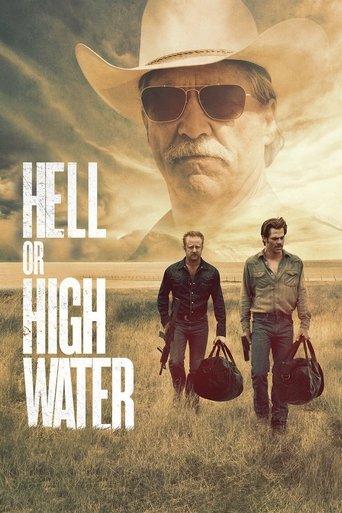
The gold-standard match. Two brothers rob a string of small Texas branches of the exact bank that's about to foreclose on their late mother's ranch — the same land now sitting on top of newly discovered oil. Hell or High Water is a 2016 American neo-Western crime drama directed by David Mackenzie and written by Taylor Sheridan, starring Chris Pine and Ben Foster as the brothers, with Jeff Bridges as the Texas Ranger on their trail.
Collider's read on the film nails why it belongs at the top of any Amziah King double feature: it functions as a neo-Western dissection of the misdeeds done to the land, and of poverty handed down by families and preyed upon by outsiders. The crime, in other words, isn't really a crime. It's an act of inheritance protection — land, legacy, kin — exactly the fuel that lights McConaughey's beekeeper.
2. Wind River
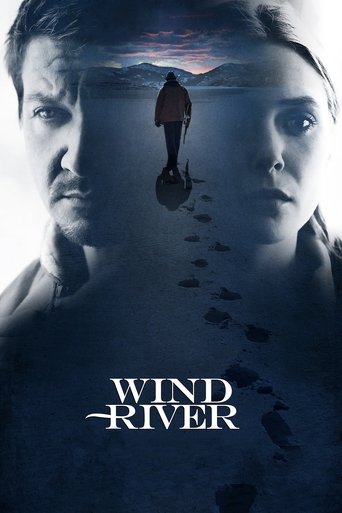
Sheridan's directorial debut, set on the Wind River Reservation, where a Fish and Wildlife tracker helps a young FBI agent investigate the death of a local woman found barefoot in the snow. The plot is a procedural. The film is a grief pact between two fathers — one Indigenous, one white lawman still haunted by his own daughter's loss — who understand each other in a language no one else on screen can speak.
TIME's Cannes review framed it as a modern Western about communities of forgotten people, and that's the exact register Patterson is working in. When the third act arrives, the weapon that fires is fatherhood itself.
3. No Country for Old Men
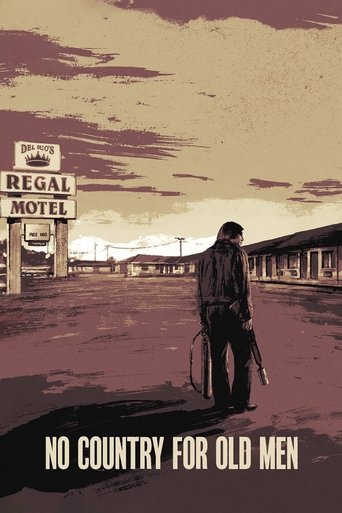
The Coens' West Texas nightmare needs no rehearsal: a welder finds a satchel of cartel money in the desert and drags his young wife into Anton Chigurh's orbit. Family here is the exposed nerve of the whole picture. Every decision Llewelyn Moss makes ripples outward and destroys the people he's trying to protect — his wife, her mother, the sheriff who keeps arriving just after the fact.
It pairs with Amziah King in a specific way: both films believe that patriarchs cannot outrun the consequences they leave for the next generation, no matter how far they drive.
4. Winter's Bone
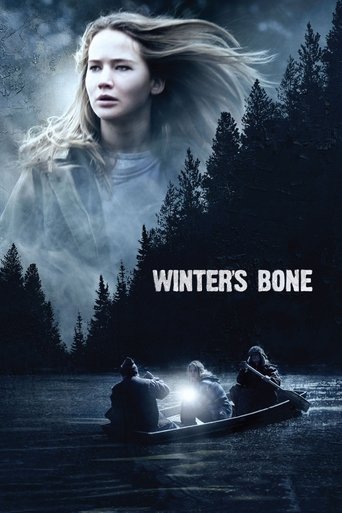
Debra Granik's Ozark thriller is one of the purest quest films of the 21st century. A teenage girl (Jennifer Lawrence, in the breakout that made her) hunts through hollows and meth camps for her missing father, because if she can't produce him — dead or alive — the family loses the house. The outlaws are her own cousins. The frontier is a stretch of Missouri woods.
The chosen-versus-blood family tension mirrors the McConaughey/foster-child dynamic almost exactly. Sometimes the people who share your last name are the ones aiming at you.
5. Out of the Furnace
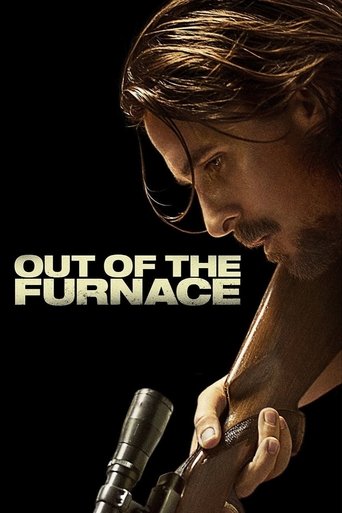
Scott Cooper's Rust Belt revenge story slides the neo-Western east of the Mississippi and into a dying steel town. When one brother — a veteran struggling to reenter civilian life — disappears into an Appalachian bare-knuckle fight ring, the other goes looking. The bond between them is the fuse, and the film is patient enough to let it burn all the way down.
A strong pick for brothers movies fans who want the shared-blood energy of Hell or High Water in a colder, sootier key.
Can't Decide What to Watch?
Let RandomFlix pick a movie for you. One click, one great movie.
Roll the Dice6. Killers of the Flower Moon
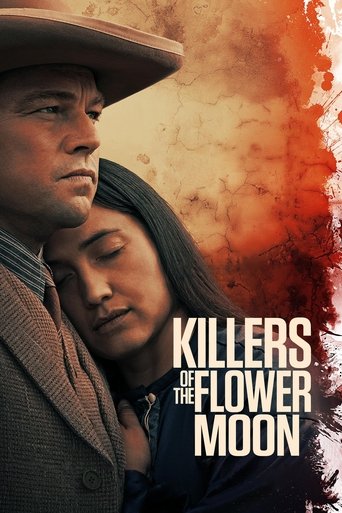
Scorsese's Osage County epic reframes "family" as the mechanism by which land gets stolen. Marriage is the murder weapon. The oil beneath Osage headrights makes wives valuable and then, quickly, disposable, and the horror of the film is watching a man convince himself that love and complicity can coexist.
It's also set in the exact same soil McConaughey's beekeeper tends — Oklahoma, patient and mineral-rich and always being taken from someone. That makes it the natural double feature, and the darkest inversion of the thesis on this list: if family can be the weapon that saves the ranch, it can also be the weapon aimed at an entire people.
7. Leave No Trace
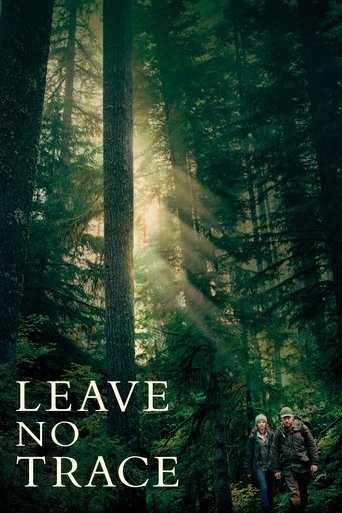
Granik again, quieter this time. A veteran and his teenage daughter live off-grid in the forests outside Portland until a jogger spots them and the state intervenes. There are no gunfights. There's barely a raised voice. What there is, is the slow devastation of a father who loves his child completely and still cannot give her what she needs.
It's the tenderest pick on the list, and the closest to the melancholy undertow of the Amziah King register — the sense that stoicism, however hard-earned, can be its own kind of failure.
8. There Will Be Blood
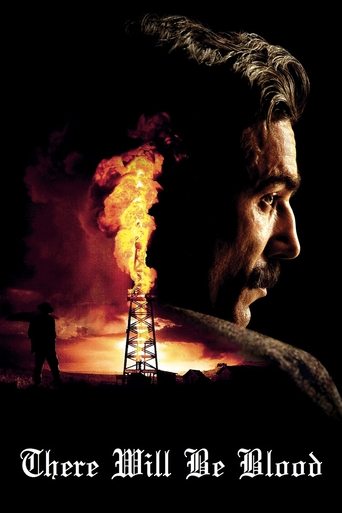
Paul Thomas Anderson's oil-country monolith is the operatic outlier here, but it's inescapable. Daniel Plainview's "son" H.W. is both a business prop — a face to soften pitches at farm families — and, complicatedly, a real tether to something like humanity. The film's argument that a patriarch can weaponize family, aim it at the world, and then be destroyed by the recoil is the loudest possible version of what Patterson is whispering.
Close the list on this one, and Amziah King's folk-song patriarch starts to look like a kinder cousin of Plainview: same country, same century of theft, different instrument.
Where to Go From Here
The through-line across all eight films is simple. Whether the family is foster (Amziah King), fraternal (Hell or High Water), Indigenous and grieving (Wind River), fugitive (No Country), Ozark and cornered (Winter's Bone), forged in a Rust Belt fight ring (Out of the Furnace), murdered for its headrights (Killers of the Flower Moon), off-grid (Leave No Trace), or bought and broken (There Will Be Blood) — the weapon is human before it is ever steel. The rifle is only ever the exclamation point.
If you want to line these up together on a rural neo-Western night without doing the programming yourself, they cross-shelve neatly on the crime movies and drama movies pages, and RandomFlix's Shuffle Similar tool works well from any of the eight as an entry point.
Which leaves the McConaughey question. If his mandolin-strumming beekeeper is the new patriarch of this subgenre, which of these predecessors does he most resemble? He's got Plainview's charisma without the venom, Tanner Howard's inheritance instinct without the recklessness, the tracker in Wind River's grief without the ice. He might, in the end, be closest to no one — a genuinely new shape in an old tradition, playing folk chords over a genre that's usually scored for strings and shotguns.
Watch these eight, then watch him again. See if the family holding the weapon looks any different the second time.