The Black Phone 2 Pivot: From Basement Thriller to Dream Invasion
When Black Phone 2 hit Netflix this May, it arrived with one of the strangest victory laps in recent horror memory. The Scott Derrickson sequel grossed over $132 million theatrically against a modest budget, scored a 72% on Rotten Tomatoes, and is now being framed as one of the highest-rated horror sequels of the decade. But the more interesting number is the one critics keep circling: this is essentially a different movie than the one that made The Grabber a household-name boogeyman in 2022.
The 2021 original The Black Phone was a tight, grounded serial-killer thriller — a basement, a captive kid, a string of ghostly phone calls. The sequel uproots all of that. The Grabber is dead, so Derrickson moves him into Gwen's dreams, ports the action to a snowbound winter camp called Alpine Lake, and rebuilds the entire stylistic vocabulary. Critics noticed immediately, with SlashFilm flatly calling the film "Dream Warriors good" and tracking its lineage back to Wes Craven, Spielberg-era Super 8 dream textures, and Stanley Kubrick's mountain isolation. ScreenCrush nailed the same trio of touchstones: Freddy Krueger's dream-stalking, Friday the 13th's camp setting, and The Shining's wintry dread.
In other words, Derrickson did the bravest thing a horror sequelist can do: he refused to make The Black Phone again. He moved his monster into a new subgenre.
That's the lens for this list. Below are eight horror sequels that pulled the same trick — sequels that succeeded precisely because they abandoned the original's formula and gambled on becoming something else entirely.
Why Genre-Shifting Sequels Outlive Their Originals
The horror movies sequels people still argue about thirty years later almost always followed one of three pivot patterns: slasher to supernatural, contained to epic, or grounded to dreamlike. Friday the 13th tried it on Part VI. The Nightmare on Elm Street franchise tried it on Part 3. Aliens did it most famously. The pattern repeats because audiences punish sequels that play it safe — see the diminishing returns of late-period slasher movies entries that simply rerun the original kills — and reward sequels that gamble.
Black Phone 2 is the freshest example, but it's working inside a long tradition. Here are the eight best practitioners, loosely ranked by how radical the genre pivot was.
8 Horror Sequels That Out-Dreamed Their Originals
1.
A Nightmare on Elm Street 3: Dream Warriors
The literal template. Derrickson has cited Chuck Russell's 1987 sequel as the north star for Black Phone 2, and you can feel it in every frame where Gwen closes her eyes. Dream Warriors took Wes Craven's lean stalk-and-slash original and rebuilt it as a Spielbergian dark-fantasy ensemble — a group of traumatized teens in a psychiatric ward learning to weaponize their dream-selves against Freddy.
The pivot: intimate slasher to maximalist 1980s movies dream-fantasy with rules, lore, and a found family at its center.
Why it pairs: the dream-logic editing, the prophetic-dreamer protagonist (a clear cousin to Gwen), and the central conceit that the only way to fight the monster is to enter his world on his terms. If Black Phone 2 worked on you, this is the foundational text.
2. Evil Dead II
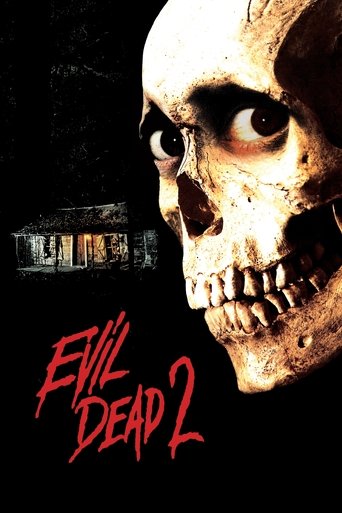
Sam Raimi didn't make a sequel so much as a manic do-over. The original was a grimy, mean little cabin-in-the-woods picture. Evil Dead II is a splatter cartoon — Three Stooges by way of H.P. Lovecraft — and yet the dread architecture (the cellar, the laughing lamp, the woods themselves) survives intact.
The pivot: straight horror to horror-comedy without losing the fear.
Why it pairs: like Black Phone 2, it trusts its returning lead to anchor a wilder stylistic register. Mason Thames carries the Derrickson sequel the way Bruce Campbell carries this one — a familiar face stretched into something stranger.
3. Aliens
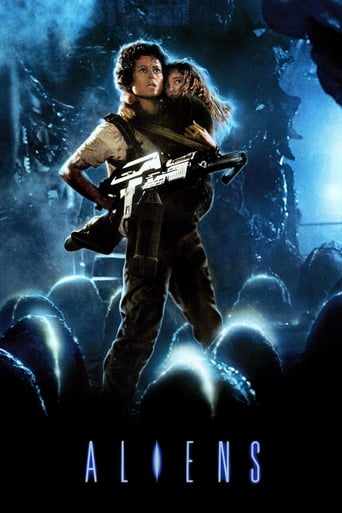
The platonic ideal of the genre-pivot sequel. Ridley Scott's Alien was a gothic haunted-house chamber piece in space; James Cameron's follow-up is a Vietnam-coded combat film with pulse rifles and grunt banter. Same monster, completely different movie.
The pivot: sci-fi movies horror to muscular military action.
Why it pairs: Aliens proves the central thesis of this entire list — that doubling down on a different genre, rather than the same one, is what creates a sequel that rivals or surpasses its original. Cameron didn't try to out-haunt Scott. He simply changed the rules of engagement. Derrickson did the same to himself.
4. Friday the 13th Part VI: Jason Lives
By 1986 the Friday franchise was exhausted, and Tom McLoughlin pulled off something audacious: he resurrected Jason Voorhees as a literal supernatural revenant — struck by lightning, dug up from his grave — and laced the whole film with self-aware comedy a full decade before Scream made that fashionable.
The pivot: grimy backwoods slasher movies to gothic monster movie with a wink.
Why it pairs: Black Phone 2 explicitly homages the Crystal Lake camp setting (Alpine Lake is right there in the name), and both films treat their killer's mythology as expandable rather than fixed. The Grabber, like undead Jason, gets new rules in the sequel — and the movie is better for refusing to pretend otherwise.
5. 28 Weeks Later

Danny Boyle's 28 Days Later was a lo-fi survival picture: empty London, a few characters, a small canvas. Juan Carlos Fresnadillo's sequel scaled the whole thing up into a geopolitical disaster epic — NATO occupation zones, helicopter rotors used as weapons, families torn apart at the level of policy rather than monster.
The pivot: intimate outbreak horror to large-canvas post-apocalyptic tragedy.
Why it pairs: both films are deeply interested in inherited trauma and children navigating a ruined adult world. Gwen's prophetic dreams and the Andy/Tammy sibling arc in 28 Weeks Later are working the same emotional territory — kids forced to carry the weight of parental failure.
6. Prey

Dan Trachtenberg's prequel is the cleanest recent example of this trick. The Predator franchise had spent thirty-five years recycling the same jungle-warfare DNA. Trachtenberg yanked the monster out of that context entirely and dropped it into 1719 Comanche country, building the film around a young Comanche woman, Naru, and a stripped-down survival logic.
The pivot: '80s action-horror to historical survival thriller.
Why it pairs: this is the Derrickson playbook in miniature. Keep the monster, rebuild the world. The Grabber works in a snowbound camp for the same reason the Predator works on the Great Plains — the icon is strong enough to survive the relocation, and the relocation is what makes the movie feel new.
7. Ouija: Origin of Evil
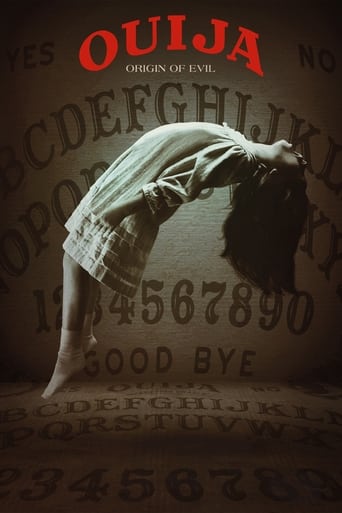
The original Ouija (2014) was a maligned PG-13 cash-in nobody asked for. Then Mike Flanagan was handed the keys to the prequel, and he turned in a hushed, 1960s movies-set, character-driven possession drama about a widowed mother running séances out of her Los Angeles living room. It's barely even the same franchise.
The pivot: jump-scare programmer to slow-burn family tragedy.
Why it pairs: Flanagan's sequel proved that the right filmmaker can out-class a predecessor by treating grief as the real haunting. That's exactly Gwen's arc in Black Phone 2 — the dreams aren't just a delivery system for The Grabber, they're a delivery system for unresolved loss. The supernatural-horror movies machinery is the metaphor, not the point.
8. Halloween III: Season of the Witch
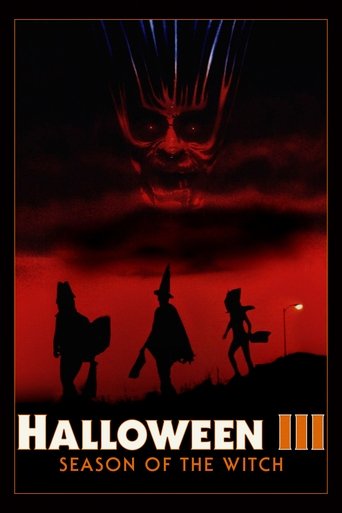
The most notorious genre pivot in horror history. After two Michael Myers films, producer John Carpenter and director Tommy Lee Wallace decided to drop the masked killer entirely and tell a paranoid sci-fi folk-horror story about an Irish toymaker, cursed Silver Shamrock masks, and a Samhain ritual designed to murder America's children on Halloween night.
The pivot: archetypal slasher movies to Quatermass-style apocalyptic conspiracy.
Why it pairs: Halloween III is the patron saint of horror sequels that divide audiences at release and get reappraised decades later. It's now widely considered one of the most fascinating films in the franchise. Black Phone 2 — with its dream-stalker reinvention and its winter-camp digressions — may be on the same arc. The bold sequels always look reckless first and visionary second.
What Black Phone 3 Could Learn From This List
Derrickson has publicly floated the idea of a third Black Phone, and the lesson from these eight films is loud: the worst possible move would be "Black Phone 2 again." Every sequel above earned its reputation by refusing to repeat itself. Dream Warriors didn't redo the boiler room. Aliens didn't redo the Nostromo. Halloween III didn't even keep Michael Myers.
The pivots available to a hypothetical third film are wide open. Full folk horror, leaning into the Catholic and pagan imagery already lurking in the second film. A bigger supernatural-horror movies cosmology where The Grabber is one node in a larger system of predators. A time-jump that ages Finn and Gwen into adults haunted by what they saw — closer to It Chapter Two than to any '80s slasher. Any of those would honor the lesson. None of them would feel like a retread.
In the meantime, the eight films above are the real next watches for anyone who finished Black Phone 2 and wants to keep chasing that specific high — the high of a sequel that gambles. Spin the dice on more horror movies or wander into supernatural movies territory, and don't be surprised when the best sequels you find are the ones that look almost nothing like the films that spawned them.