The Fuqua Reassessment Starts Now
The numbers are still hard to process. Michael, Antoine Fuqua's Michael Jackson biopic, didn't just open well — it detonated. The film posted a $97 million domestic debut and $217 million globally, blowing past Oppenheimer's previous biopic record of $82.4 million domestic and $174 million worldwide. The previews alone hit $12.6 million, the biggest-ever Thursday night for a music biopic, easily clearing the $4.96 million Straight Outta Compton banked a decade ago. CinemaScore: A-. Audience score on Rotten Tomatoes: 96%. Critics score on Rotten Tomatoes: 40%.
That last split is the most Fuqua thing about Michael. For two decades, Antoine Fuqua has made movies that open big, play well in theaters, and routinely get patted on the head by critics as competent rather than authored. The 56-point gap on Michael isn't an anomaly — it's the through-line of his career, simply louder than usual because the gross is bigger than usual.
Which means it's a useful moment to ask a question genre-film fans have been quietly chewing on for years. Is the Pittsburgh-born, Kurosawa-obsessed director behind crime movies thrillers like Training Day and Brooklyn's Finest actually a stylist with a coherent worldview, hiding inside a "reliable hired gun" reputation? With his biggest opening ever now in the books, the catalog deserves a fresh pass, judged by directorial vision, performance ceiling, rewatchability, and how each film holds up in the post-Michael light.
The Fuqua Signature: What Connects the Filmography
Before we rank, it's worth naming the things Fuqua actually does on a movie set, because they're more consistent than he gets credit for.
He came up in music videos — Prince, Stevie Wonder, Arrested Development — and that lineage is still all over his frames. The rain-slicked streets, the deep-blue night palettes, the way headlights bloom through wet glass: that's a video director who learned to make a chorus look like an event and never stopped. His action sequences are cut for rhythm, not geography, which is why his shootouts feel like songs and his quieter scenes feel like bridges between verses.
The thematic obsessions are even more consistent. Almost every Fuqua protagonist is an institutional man — cop, soldier, fighter, fixer — being slowly crushed by the rot inside the institution he serves. Violence in his films is rarely fun; it's confessional. When his men finally pull a trigger or throw the punch, it tends to be the moment they admit who they actually are. That's a moral framework, not a paycheck.
Then there's Akira Kurosawa, an admitted lifelong idol. The most overt tribute is his The Magnificent Seven remake, but the influence runs deeper than that — the stoic-warrior framings, the lonely silhouettes against weather, the willingness to let a hero stand still and just be looked at. It's why his action movies pictures so often slip sideways into something closer to character study than the genre's averages would suggest.
Michael, viewed through this lens, isn't a swerve. It's another portrait of an isolated man undone by his own myth — a recurring Fuqua figure, just dressed in sequins instead of a badge.
The Ranking: Every Major Fuqua Film, Worst to Best
A note before we start: this covers his theatrical narrative features. His documentary work, including the strong Muhammad Ali profile What's My Name: Muhammad Ali, sits in its own conversation.
Lower Tier: The Misfires
Bait
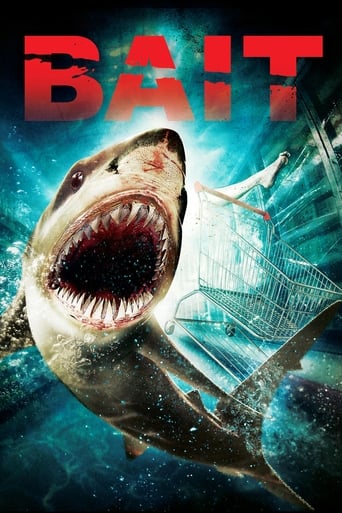
The 2000 Jamie Foxx comic caper that gave absolutely no hint that the man behind the camera was a year away from making one of the defining cop pictures of the decade. It's slick in the music-video way Fuqua's debut already was, but the tone is all over the place, and Foxx is asked to carry a film whose script doesn't deserve him. A curiosity now, mostly.
Infinite
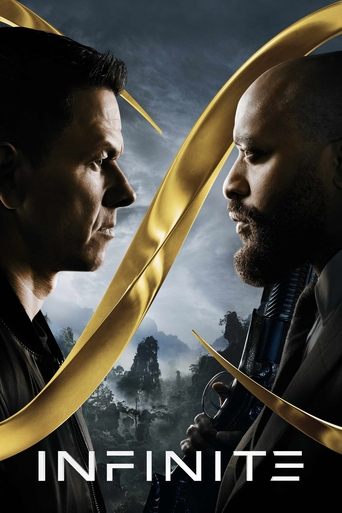
The Mark Wahlberg sci-fi vehicle that landed on Paramount+ with a thud and stayed there. It's the most anonymous thing Fuqua's ever shot — none of the texture, none of the moral weight, just a high-concept reincarnation premise stretched thin. If you want proof that Fuqua needs ground-level material to do his thing, this is exhibit A.
King Arthur
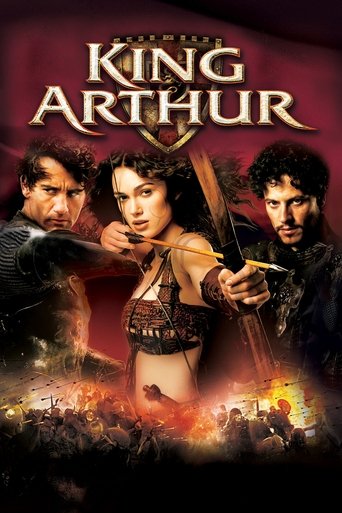
The 2004 historical revisionism that wanted to be muddy, brutal, and grown-up, and got steamrolled into a PG-13 mass-market product instead. The director's cut is the only version that hints at the film he was actually trying to make — colder, bloodier, more melancholy. Even there, the shape is compromised.
Tears of the Sun
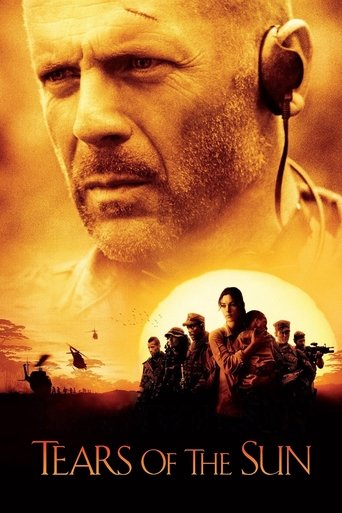
Bruce Willis leading a Navy SEAL squad through Nigerian jungle on a sincere humanitarian mission. It's earnest in ways that have not aged well, and the white-savior architecture of the script is harder to look past now than in 2003. The craft is real — Fuqua shoots a sweat-drenched jungle as well as anyone — but the film around it keeps undermining the craft.
Mid-Tier: The Solid Genre Workouts
Olympus Has Fallen

The Die Hard-in-the-White-House riff that, almost by accident, launched a multi-film franchise. Lean, mean, gleefully violent in a way most studio actioners had stopped being by 2013. Gerard Butler growls his way through it, Aaron Eckhart gets to brood, and Fuqua proves he can stage a single-location siege without losing geography. Not deep — but absolutely a good time.
The Equalizer 3
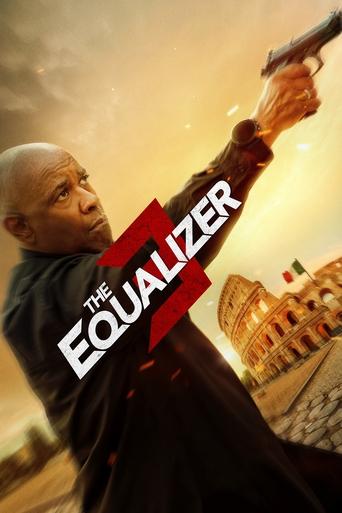
The Italian-set finale of the Denzel trilogy, and probably the most thematically interesting of the three. Fuqua finally lets the Denzel-as-monk subtext breathe — long stretches of Robert McCall just walking, drinking espresso, watching — before unleashing the violence. It's a genre film with the patience of a character drama, which is the Fuqua sweet spot.
The Magnificent Seven
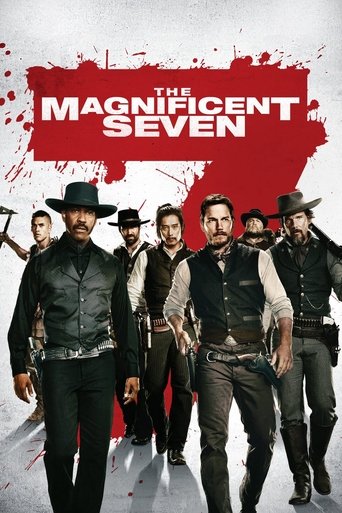
The 2016 Western remake takes a beating from purists, and some of that's fair. But Denzel Washington on horseback in a black hat is its own argument for the film's existence, and the Kurosawa-via-Sturges scaffolding still works. Underrated, particularly in the back half, when Fuqua remembers that the original was a tragedy as much as an adventure.
The Guilty
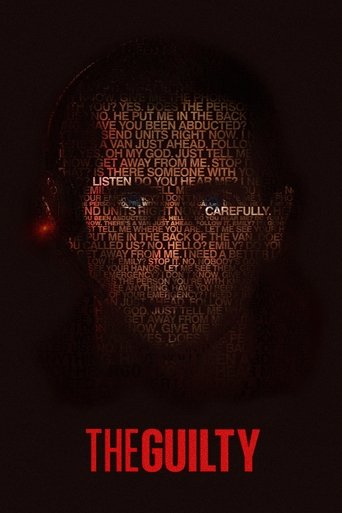
The pandemic-era Jake Gyllenhaal one-room thriller, a remake of the Danish original. It's a remarkable exercise in restraint from a director associated with bigger swings — essentially one man at a 911 desk, one face, one phone. Fuqua resists every impulse to cut away. That discipline is the whole movie, and Gyllenhaal does the rest.
The Replacement Killers
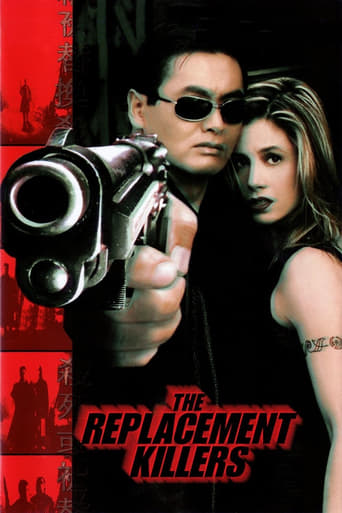
His 1998 debut, a Chow Yun-fat / Mira Sorvino actioner that's a bit of a script-shaped problem but a fully formed visual statement. The smoke, the neon, the pooled rainwater, the slow-motion gun choreography — the Fuqua style is already locked in. You can draw a straight line from this picture to The Equalizer sixteen years later.
Top Tier: The Real Achievements
Southpaw
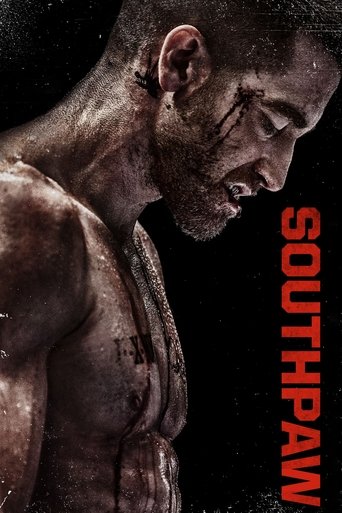
Jake Gyllenhaal's most physical performance and a boxing movie that earns its third-act tears the old-fashioned way: by breaking its hero in public and watching him try to stand back up. Forest Whitaker as the trainer is the soul of the thing, and Fuqua shoots the ring like a confessional booth. The melodrama is a feature, not a bug.
The Equalizer
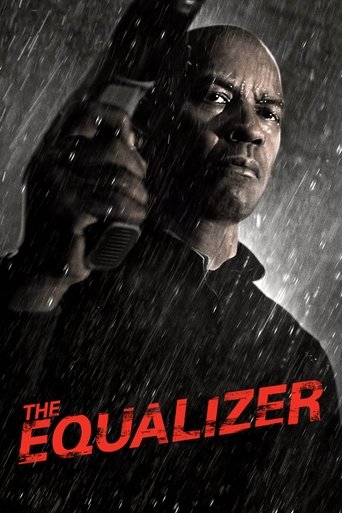
The 2014 Denzel reunion that proved Fuqua could turn a star vehicle into a thesis on righteous violence. The Home Depot finale gets the headlines, but the soul of the film is the long, quiet stretches of McCall reading at his diner — a man who's chosen monastic stillness and is about to be pulled out of it. The whole trilogy lives or dies on the texture established here, and it's enormous.
Brooklyn's Finest

The 2009 Don Cheadle / Ethan Hawke / Richard Gere triptych is essentially Fuqua's spiritual sequel to his masterpiece — three NYPD officers, three rotting moral compasses, one bleak collision. The dirty-cop movies architecture is openly inherited from Training Day, but the structure is more ambitious and the ending is colder. Hawke in particular is doing career-best work here. Underseen and overdue for reappraisal.
Michael
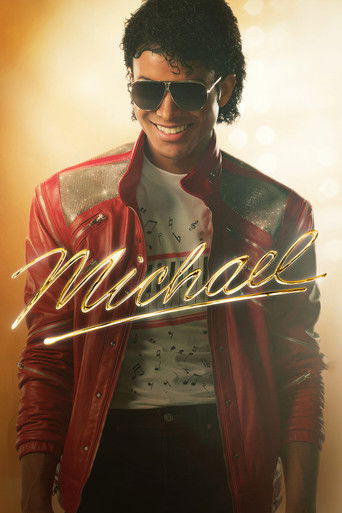
Slot it provisionally near the top. The technical work is dazzling — the concert recreations alone justify the ticket — and Fuqua, working from a John Logan script with Graham King producing, pushes harder on the man-undone-by-myth thread than you'd expect from a studio biopic. The 96% audience score and A- CinemaScore tell you exactly what kind of populist swing this is: the kind critics resist on principle and audiences carry on their shoulders for a month. Whether it ages into a top-three Fuqua or settles around the middle is a question for 2030. As a piece of craft? It's clearly one of his most assured.
Training Day
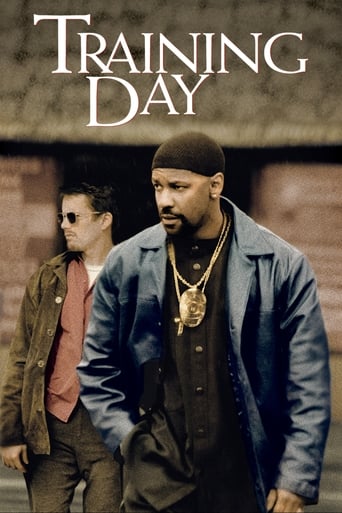
Still #1, still the ceiling. The Denzel performance won Best Actor, Ethan Hawke got nominated, and the 2000s movies cop movie has been measured against this thing ever since. Every Fuqua signature is here in concentrated form: rain on glass, institutional rot, a man in moral collapse lit like opera. If you only know one Fuqua picture, this is the one — and the rest of the catalog is, at minimum, a series of variations on the themes he established here.
Where Michael Lands in the Final Verdict
A $217 million opening doesn't automatically equal an artistic peak. Plenty of huge openings have been made by directors having an off year, and plenty of masterpieces have died in the marketplace. But the craft on display in Michael does suggest Fuqua has grown — the staging is more confident, the emotional control tighter, the willingness to sit in an uncomfortable moment longer than he used to.
The audience-versus-critic gap on Michael also mirrors his entire career with almost comic precision. He makes movies for the people in the seats, not the people writing about the seats. That's not a flaw to apologize for — it's a vocation.
Whether you ultimately rank Michael at #2 or #6, the broader argument holds: the Fuqua filmography deserves a real second look from anyone who wrote him off after King Arthur and never came back. There's a coherent authorial voice in there, one that shows up in the framing, the moral architecture, and the recurring image of a stoic man one bad decision away from the dark. Two decades of variations on a theme is, by any reasonable standard, a body of work.
Don't commit to a marathon. Just spin the wheel, land on a Fuqua picture you've forgotten about or never gave a chance, and see if the reassessment holds up in your living room.