Why Apex Hit Different: The
Three DNA Strands of Kormákur's Outback Thriller
Baltasar Kormákur's thriller movies debut on Netflix arrives with a deceptively simple pitch: Charlize Theron's grieving climber Sasha goes to ground in the Australian Outback, and Taron Egerton's crossbow-wielding Ben goes after her. Ninety-five minutes. R-rated. No fat on the bone. The Hollywood Reporter called it a "real movie" in a streaming landscape that too often settles for less, and part of what makes it land is how ruthlessly Kormákur edits the genre down to its load-bearing bones.
But here's the thing most "movies like Apex" lists miss: Apex isn't one movie. It's three, braided tight. There's the Kormákur signature—humans being chewed up by landscapes that don't care about them. There's the Outback-as-predator tradition that Australian cinema has been refining since the 1970s. And there's the hunted-woman-and-her-grief archetype, where a capable female protagonist is stalked by a patient, articulate killer.
Pull those strands apart and you get nine excellent follow-ups, ranging from canonical classics to genuinely underrated-thrillers movies. Here's how to chase that Apex high by chasing the right strand.
Strand One: The Kormákur School of Nature-as-Antagonist
Kormákur has been making variations of the same film for over a decade: human beings, sometimes alone and sometimes in small desperate clusters, get systematically dismantled by weather, altitude, water, or wildlife. Apex is the logical evolution of that obsession—the landscape is still the antagonist, it's just been joined by a second one with a crossbow.
Everest (2015)

Kormákur's ensemble mountaineering disaster film is the obvious starting point. The climbing tragedy that opens Apex and informs Sasha's grief isn't a coincidental choice; the director has been photographing the psychological cost of altitude for a decade. Everest is bigger in scope—more characters, more money, a bigger mountain—but the DNA is identical: preparation, hubris, weather, consequences. If the prologue of Apex wrecked you, this is where you go next.
Adrift (2018)
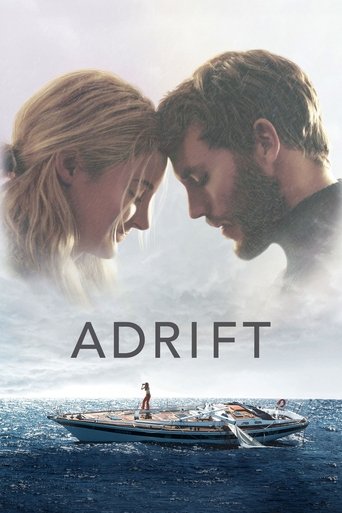
This is the clearest single template for what Apex is doing. Shailene Woodley plays a young woman surviving a hurricane-wrecked yacht in the Pacific, and Kormákur structures the whole thing around her physicality, her grief, and her refusal to simply lie down and be erased by an indifferent environment. Swap saltwater for red dust and you're most of the way to Sasha's arc. It's also the film that proves Kormákur knows exactly how to shoot a lone woman against vast emptiness without ever making her look small.
The Grey (2011)
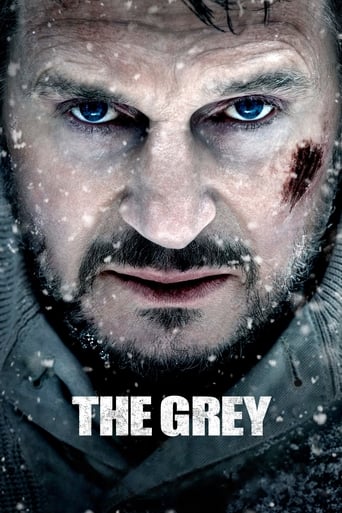
Not a Kormákur film, but absolutely a philosophical cousin. Joe Carnahan's Alaska-set survival piece gave Liam Neeson one of his best late-career performances—a man mourning his wife, stranded in the snow, slowly being hunted by wolves. What The Grey understands, and what Apex clearly studied, is that a survival thriller only works if the protagonist's interior life is as hostile as the weather. The wolves aren't the point. The grief is the point. The wolves are just the grief made sharp.
What unites this strand: dialogue is spare, weather has more screen time than conversation, and the camera treats terrain as a living thing. These are movies where the wind is a supporting character.
Strand Two: The Outback Wants You Dead
Variety's review explicitly placed Apex in the lineage of Australian wilderness horror, and that's not a casual name-drop. Australian cinema has spent fifty years teaching audiences that the landscape down there will photograph like an open mouth if you light it right. Kormákur, an Icelander, is an outsider working in that tradition, but he clearly did his homework.
Wolf Creek (2005)

Greg McLean's film is Apex's meaner, grubbier older brother. Where Kormákur polishes and paces and gives you prestige craft, Wolf Creek just grinds its boot down on your throat. Mick Taylor is the ur-text for the Australian outback predator—genial, chatty, suddenly monstrous—and Egerton's Ben clearly owes him something. If you came to Apex for the sustained dread of a charismatic killer in an empty country, this is the bedrock.
The Royal Hotel (2023)

Kitty Green's slow-burn thriller is tonally closer to Apex's dread than its action beats. Two young women take a job at a remote pub in the middle of nowhere and slowly realize the entire ecosystem around them has been engineered to wear them down. There's no crossbow here. There doesn't need to be. The Outback and the men who live in it are the threat, and Green photographs both with the same patient, unblinking eye Kormákur uses in Apex's quieter stretches.
Long Weekend (1978)

The grandfather text. Colin Eggleston's original Ozploitation feature is about a miserable couple on a camping trip whose casual disrespect for the bush gets answered in kind. It's essential context for why Australian landscapes photograph like threats: this is the film that codified the grammar. Every rustle in the scrub, every crow on a branch, every long lens pushed through tall grass—that visual language starts here. Apex is fluent in it.
Across all four films, the Outback works as a character: vast, indifferent, older than whatever story you're trying to tell in it. The cinematography reinforces this—wide lenses, low horizons, golden hour used as a weapon rather than a compliment.
Can't Decide What to Watch?
Let RandomFlix pick a movie for you. One click, one great movie.
Roll the DiceStrand Three: The Hunted Woman, The Patient Predator
The other half of Apex—the Egerton half—has its own rich genealogy. A chatty, intelligent killer with his own internal logic, stalking a woman who is more than capable of fighting back: this is a specific sub-genre, and the last few years have been unusually rich for it.
Don't Move (2024)
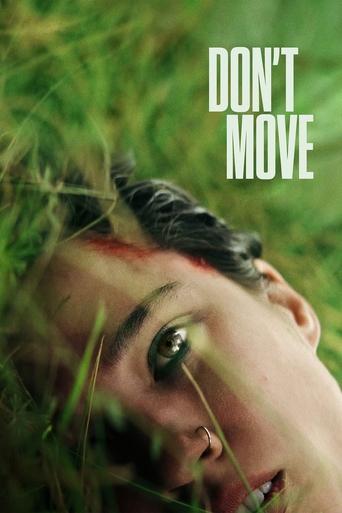
If you want the single most direct Apex companion piece currently on Netflix, this is it. A grieving woman, a remote forest, a killer who's done this before and brought the right tools—Adam Schindler and Brian Netto's film is almost eerie in how closely its DNA tracks with Kormákur's. Kelsey Asbille is extraordinary in it, and the pairing of "woman processing grief" with "woman being hunted" is the exact emotional architecture Apex runs on.
Fall (2022)
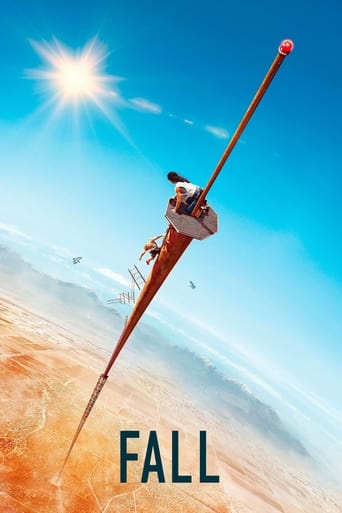
Scott Mann's vertical survival thriller pairs beautifully with Apex's opening climbing sequence. Two women, one decommissioned 2,000-foot radio tower, a rising panic. It's a much tighter aperture than Apex—most of the film happens inside a few square feet of metal grating—but the physical competence and the grief underpinning the whole exercise will feel deeply familiar to anyone who just watched Sasha start the film on a rope.
Beast (2022)
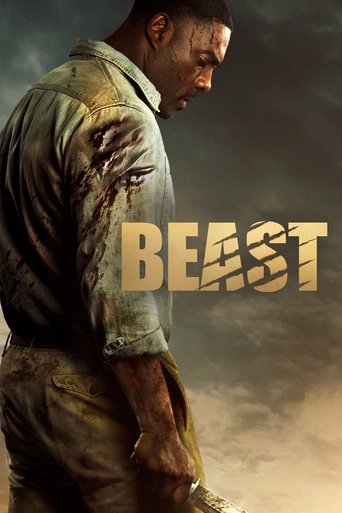
Kormákur's own warm-up, and the film that most clearly reveals his thinking going into Apex. Idris Elba in South Africa, his daughters in a jeep, a lion with a grudge. It's not as tight as Apex, but it shares the director's interest in how a single family crisis gets weaponized by a hostile environment and a predator with unusual patience. If you want to see Kormákur solve the same thriller equation one film earlier, this is the draft.
What Egerton brings to this lineage is new: an against-type villain performance from an actor audiences mostly associate with musicals and blockbuster earnestness. His Ben isn't a grunting slasher—he's articulate, and that's what makes him land alongside the best patient predators in the genre.
The Honorable Mentions That Almost Made the Cut
A few more, quick:
- Cliffhanger — For readers who want the pulpier, bigger-swing mountaineering thriller energy that Apex opens with. Stallone, bolts, villainy, vertical drops. It is not subtle and it does not want to be.
- Touching the Void — The documentary that set the bar for every climbing-survival film since. If the prologue of Apex made you want to know how real people actually get out of that situation, start here.
- Backcountry — A couple, a bear, the Canadian woods. It's the quieter, more grounded end of the predator-in-wilderness spectrum, and it pairs unexpectedly well with Apex's more naturalistic stretches.
The broader 2020s movies wave of survival movies thrillers is quietly one of the most interesting genre movements happening right now—tighter runtimes, better physical performances, smarter villains. Apex is a flagship of that wave, not an outlier.
Building Your Post-Apex Double Feature
The smart way to chase Apex is to diagnose what specifically hit hardest and chase that thread:
- If you came for Theron's physicality and grief, pair with Adrift. Same director, same interest in a woman refusing to be erased.
- If you came for Egerton's menace, pair with Wolf Creek. The charisma-to-violence pivot is the whole engine in both.
- If you came for the landscape, pair with The Grey. Different continent, same thesis: the world is trying to kill you and it is also the only mirror you have left.
When you genuinely can't decide between nine strong options—and this is a real problem, not a fake one—RandomFlix's dice roll is a reasonable tiebreaker within the survival shelf. Pick the strand, let the dice pick the film, save the arguing for after the credits.
Apex is a gateway, not a destination. The survival thriller is in a quiet renaissance right now, and these nine films are the proof that the strand Kormákur just pulled on runs deeper than one Friday night on Netflix. Start the next one tonight.