The Hawkins Cinematic Universe Has Always Been a Remix
On April 23, 2026, Netflix dropped Stranger Things: Tales From '85, the animated spinoff set on January 10, 1985 — slotted neatly between Seasons 2 and 3 — and suddenly every Hawkins obsessive had homework to do again. With the final live-action season barreling toward us, these two releases are doing something interesting: they're pulling fans back toward the source material. Not the show's own mythology, but the actual celluloid bedrock the Duffer Brothers have been sampling since that first Eggo-smuggled frame in 2016.
Because Stranger Things has never been nostalgic so much as it's been curated. The Duffers built a cinematic mixtape — Spielberg wonder laid over Stephen King dread, Carpenter paranoia cut with Hughes teen angst — and the seams have always been visible on purpose. Even Tales From '85 itself can't resist the move: the spinoff name-checks Star Wars, Jaws, and Raiders of the Lost Ark in its opening stretch, because references aren't decoration in this universe. They're load-bearing.
So before Hawkins closes up shop for good, here's a guided tour through the twelve 1980s movies films that built it, organized by the three auteur pillars holding the whole thing upright.
Pillar One: Spielberg and the Suburban Sublime
The bike-gang kids. The single-mom kitchen drama. The flashlight beam cutting through fog in the woods behind the cul-de-sac. This is where Stranger Things lives emotionally — in that specifically Spielbergian space where the mundane and the miraculous share a driveway.
E.T. the Extra-Terrestrial
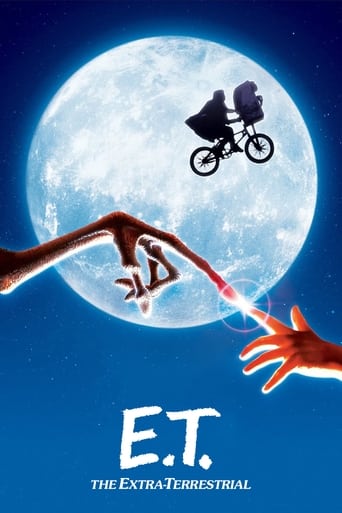
The Rosetta Stone. Elliott and Eleven share almost the exact same character arc — hiding in a closet, being fed junk food by a surrogate sibling, slowly revealing telekinetic powers that terrify the adults around them. The bike-chase silhouette in Season 1's finale isn't a nod; it's a direct lift. Watch this first or nothing else really lands.
Close Encounters of the Third Kind
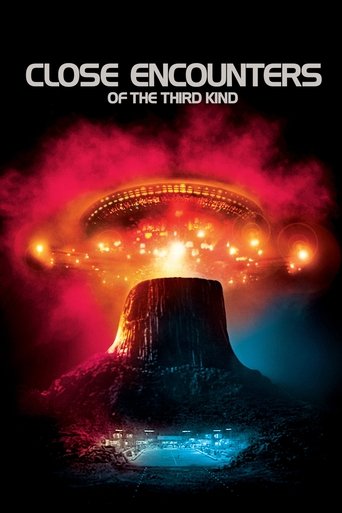
The government cover-up, the ordinary people pulled inexorably toward the inexplicable, the obsessed single dad who knows something is out there — this is the blueprint for every Hawkins Lab sequence the show has ever staged. Hopper's whole arc of digging into classified files while his community gaslights him? Richard Dreyfuss got there first.
Poltergeist

Spielberg produced, Tobe Hooper directed, and the result is the suburban horror text that Will Byers owes his entire existence to. A child pulled into another dimension through his own bedroom, communicating through household electronics, a mother crawling into the portal to bring him home — if that sequence of plot beats sounds familiar, it should. Season 1 essentially rebuilds Poltergeist brick by brick with a D&D overlay.
Stand By Me
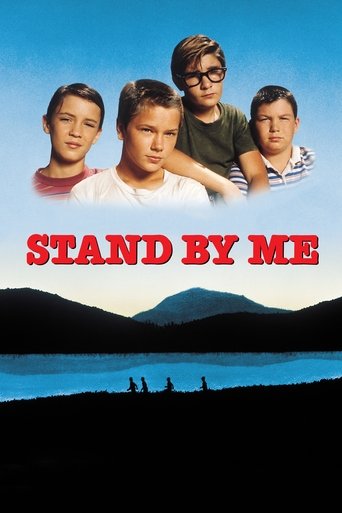
Rob Reiner's Stephen King adaptation is where the show got its friendship cadence. Four boys, railroad tracks, a missing-kid quest, and the aching knowledge that these specific friendships won't survive adolescence intact. Every time Mike, Dustin, Lucas, and Will walk anywhere in formation, you're watching Gordie, Chris, Teddy, and Vern reincarnated.
Pillar Two: Carpenter and the Synth-Soaked Dread
If Spielberg gave the show its heart, John Carpenter gave it its pulse — literally, in the Kyle Dixon and Michael Stein score. Those arpeggiated synth basslines don't exist without Carpenter's DIY composer instincts, and neither does the show's specific flavor of small-town dread.
The Thing
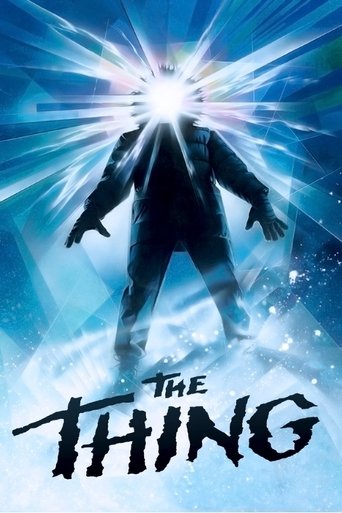
The Duffers have repeatedly cited this as the reason the show committed so hard to practical effects. The Demogorgon's flowering petal-face is pure Rob Bottin lineage — an organism whose body becomes a horror in motion rather than a static creature design. Paranoia, isolation, a monster that could be wearing anyone's face: the Mind Flayer plot mechanics are unthinkable without MacReady and company.
Halloween
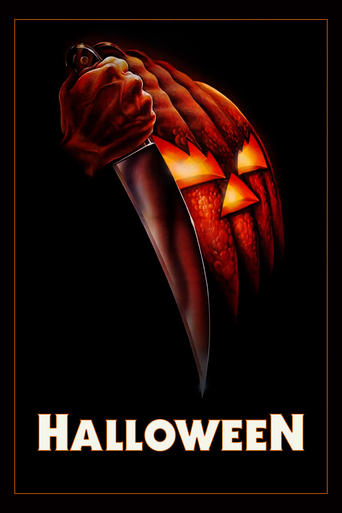
Vecna is essentially Michael Myers with a psychic upgrade. That same unstoppable, silent, methodical stalking — the slow walk that catches the sprinting victim — is Carpenter's signature gift to horror, and Stranger Things has been cashing that check since Season 1. Watch the Shape glide through suburban Haddonfield and then watch Vecna stalk Max through Hawkins. Same stride. Same dread.
The Fog
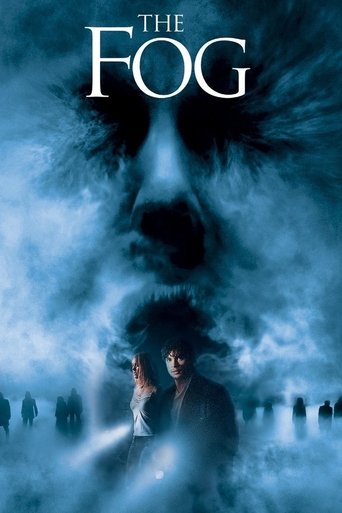
Small town, creeping supernatural threat, synth score you can feel in your sternum. This is the mood board for all of Season 4's Hawkins dread — the creeping sense that the town itself is the problem, that something old and wrong is seeping up through the foundations.
Christine
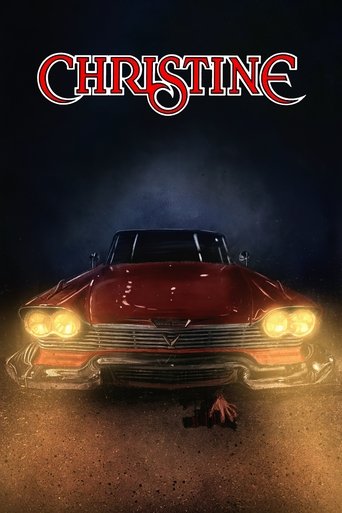
Stephen King's novel, Carpenter's direction, and the premise that an ordinary object in an ordinary town can turn monstrous. The everyday-possession logic at the center of Christine is the same engine driving half the horror movies set pieces in Stranger Things — the Byers's Christmas lights, Billy's lifeguard chair, the grandfather clock itself.
Can't Decide What to Watch?
Let RandomFlix pick a movie for you. One click, one great movie.
Roll the DicePillar Three: The Weirder Edges — Dante, Hughes, and Hawkins Lab Lore
The show's stranger corners — Eleven's origin story, the teen romance subplots, the kids-versus-monsters creature-feature glee — come from this third bucket. These are the deeper cuts, and they're often the most direct lifts.
Firestarter
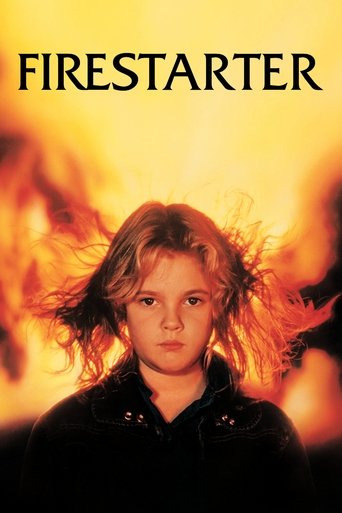
Drew Barrymore as a government-experiment kid with psychic powers that leak through her nose when she pushes too hard. Eleven is essentially a remix of Charlie McGee, down to the nosebleeds, the shadowy agency pursuers, and the tortured father figure. If you want to understand where Papa, the lab, and Eleven's whole origin came from, start here.
Altered States

Ken Russell's sensory-deprivation fever dream is the direct inspiration for the isolation tank sequences — watch William Hurt float in that tank chasing primal consciousness and the Hawkins Lab set-piece immediately clicks into place. The show's whole conception of the Upside Down as a place you can access through altered states of mind is Russell's fingerprint.
The Monster Squad
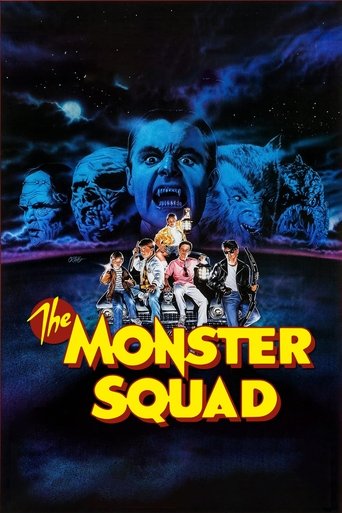
Fred Dekker's kids-vs-monsters classic — a group of genre-obsessed adolescents who know the rules of monster movies and use that knowledge to save their town — is the Dungeons & Dragons-to-real-monsters pipeline the Duffers have been running since pilot one. The tonal alchemy of "kids are geniuses about this stuff, adults are useless" starts here.
Sixteen Candles
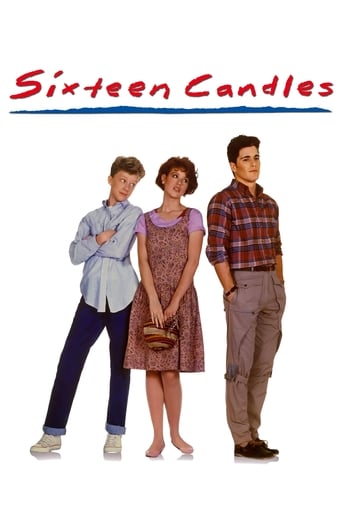
John Hughes is the reason Steve Harrington works as a character. He's the reason Nancy's high school hallways feel the way they feel, the reason the romantic triangles have emotional weight instead of just being plot furniture. The teen storylines — which some fans skip and shouldn't — are Hughes in a Hawkins wig. Watch this and suddenly the Jonathan/Nancy/Steve dynamic makes a different kind of sense.
A Four-Night Watch Order Before the Final Season
You don't have to marathon all twelve. Here's the efficient version — four double features, one per week, arranged so each night hits a specific emotional frequency the final season will almost certainly play in.
Night 1 — Wonder: E.T. the Extra-Terrestrial + Stand By Me. Set the emotional baseline. Kids, bikes, longing.
Night 2 — Dread: The Thing + Halloween. Understand why the monsters feel the way they feel — why they're patient, wrong, and unstoppable.
Night 3 — The Lab: Firestarter + Altered States. The Eleven double feature. Everything about her origin arrives prepackaged in these two.
Night 4 — Hawkins: Poltergeist + The Monster Squad. The suburbs, the basements, the kids who figure it out before the grown-ups do.
Between viewings, a quick spin through sci-fi movies and the 1980s movies shelves on RandomFlix tends to surface the B-tier references the show sneaks in around the edges — the Re-Animators, the Ladyhawkes, the Explorers of the world. The Duffers' pantry is deep.
What Tales From '85 Tells Us About What's Coming
Variety's review of the animated spinoff landed on a pointed phrase: "nostalgia for nostalgia." The show is now referencing the cartoons that referenced the movies — a second-order retrieval of 1985 specifically. Tales From '85 leans hard into Saturday-morning Transformers and He-Man texture because the animated format lets it do what live action can't without shattering tone. It's a deliberate widening of the reference net.
What that signals for the final season is simple: expect the 80s-nostalgia movies density to go up, not down. The Duffers aren't dialing anything back for the finale. They're doubling their bets on the era that made them, and the twelve films above are the decoder ring for whatever elaborate goodbye they're staging in Hawkins.
The best way to watch a finale is to watch the films that made it possible first. Start tonight — the closet scene in E.T. is waiting, and it's never been more relevant than it will be a few weeks from now.