Pride Month 2026 Is Not a Greatest-Hits Reel
Every June, the same five lgbtq movies films get shuffled into the same blog posts, the same streaming carousels, the same well-meaning office Slack channels. Brokeback Mountain. Moonlight. Call Me By Your Name. The Birdcage. Maybe Carol if the curator is feeling brave. It's a canon flattened into a Spotify playlist — the cinematic equivalent of playing "Born This Way" at a corporate Pride brunch and calling it allyship.
2026 is the rare year that makes a recycled list feel actively negligent. The Birdcage is returning to theaters for two nights only in a 30th anniversary run that recontextualizes the whole farce. All of Us Strangers and Passages, both from 2023, have already calcified into modern essentials — the kind of films you can't honestly leave off any serious queer canon. And the political weather around all of it has sharpened: GLAAD reported that in 2022, one in five major studio releases featured at least one LGBTQ character, a number that sounds like progress until you look at how thin the slate has gotten since.
So this is an opinionated list. It weights recency. It weights the rare communal joy of a theatrical event. And it assumes you've already seen the films everyone tells you to see.
The 2026 Centerpiece: The Birdcage at 30, Back on the Big Screen
The headline event of queer cinema this June isn't on a streamer. Fathom Entertainment is bringing The Birdcage back to theaters nationwide on June 7 and June 10, 2026, presented by Park Circus and Amazon MGM Studios, with a Leonard Maltin introduction framing the screenings around the film's themes of acceptance, chosen family, and living proudly.
Mike Nichols' 1996 farce, adapted by Elaine May from La Cage aux Folles, hits differently at 30. In 1996, it was a mainstream comedy that just happened to put a long-term gay couple — Robin Williams and Nathan Lane, plus Hank Azaria's Agador — at the center of a studio picture and let them be tender, exasperated, ridiculous, and unmistakably married. In 2026, after a decade of drag panic and library-board hearings, the film's quietly radical core gets louder. The Goldman/Hackman dinner scene — Lane in matronly drag, Gene Hackman's reactionary senator forced into a moment of inadvertent grace — is a small masterpiece on the question of assimilation versus authenticity that queer culture has never finished arguing about.
It belongs in the broader comedy movies lineage of queer-coded screwball — Bringing Up Baby, Some Like It Hot, Victor/Victoria — and yes, La Cage purists will still grumble that the French original is sharper, and a handful of gags have aged into wince territory. Fine. The film survives the critique because Williams and Lane play it as a love story first and a sitcom second.
Verdict: see it theatrically if a Fathom screening is near you. The audience laughter is half the text.
The Modern Essentials: Two Films That Belong on
Every 2026 Pride List
If The Birdcage is the communal event, these are the two non-negotiables of the new decade — the films a serious 2026 list cannot pretend don't exist.
1. All of Us Strangers
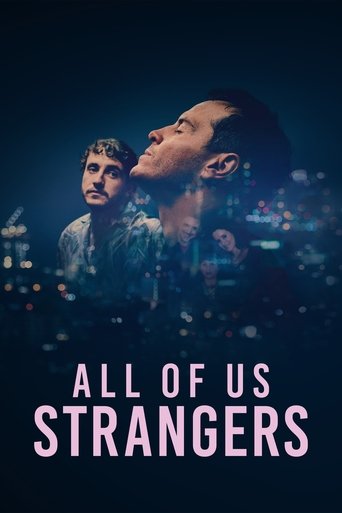
Andrew Haigh's ghost story is the apex of what critics have started calling Sad Boy Cinema, and it earns every minute of the genre. Andrew Scott plays a lonely screenwriter who returns to his childhood home to find his long-dead parents alive, the same age they were when they died, ready to meet the gay adult son they never got to know. Paul Mescal is the neighbor downstairs, possibly a savior, possibly something stranger.
The accolades justify the weighting. The film holds a 96% approval rating on Rotten Tomatoes and a 90 on Metacritic, received six BAFTA nominations, and won GALECA's Film of the Year and LGBTQ Film of the Year at the Dorian Awards, along with placement on the National Board of Review's top ten independent films of 2023. Pajiba's review framed it within the lineage of "Sad Boy Cinema" while making the case for Andrew Scott's performance as one of the year's essential pieces of acting.
The haunted coming-out scene — Scott telling his mother, in 2024, what he could never tell her in the 1980s — doubles as an elegy for every queer person whose parents died before the conversation could happen, and for everyone who got the conversation and wished they hadn't. It's the rare queer film that earns the word astonishment.
Best paired with a quiet apartment and no plans for the next two hours. You will not be socially useful afterward.
2. Passages

Ira Sachs' Paris-set love triangle is the year's most adult queer film, and the corrective a decade of respectable representation has been begging for. Franz Rogowski's Tomas — a filmmaker who leaves his husband (Ben Whishaw) for a woman (Adèle Exarchopoulos), then refuses to leave either — is magnetic, exasperating, and aggressively uninterested in your sympathy.
Variety's Peter Debruge called it Sachs' most brutally honest film since Keep the Lights On, and Roger Ebert's review described it as a "briskly-moving, turbulent, emphatically sexy, deliberately exasperating love triangle" anchored by Rogowski's performance. Both are right. The film is also very, very funny in a way nobody warns you about — Tomas's selfishness has the comic precision of a Molière protagonist.
The case for Passages on every Pride list is the case for messy-protagonists movies as a queer storytelling gift the 2010s wouldn't allow. The respectability politics of that era — the Oscar-friendly, parents-can-watch-it-with-you wave of queer drama — produced gorgeous films and also a tacit rule: our characters had to be good, or at least sympathetic in their suffering. Passages tears that rule up. Tomas is not good. He is alive.
The NC-17 fight the film picked with the MPA matters here. This is queer adulthood without the sanding-down — sex that's awkward and specific, fights that loop without resolving, attraction that survives every reason it shouldn't.
The Deeper Bench: Five Picks Beyond the Usual Suspects
Here's where we retire the recycled 2010s movies carousel. Each of these would headline a less crowded year.
3. Fire Island
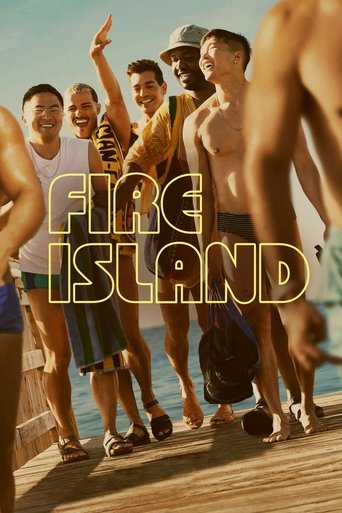
Joel Kim Booster's Austen riff is the rare Pride comedy with actual structure — Pride and Prejudice transposed onto a Pines weekend, with Bowen Yang as the Jane Bennet stand-in and Margaret Cho presiding over a chosen-family house. It pairs naturally with The Birdcage as the 2020s answer to chosen-family farce: same insistence that the people you pick are the people who count, updated for a generation that grew up with the word queer as a description rather than a slur. The friend-group-as-family weekend is a real and underwritten genre, and this is its best entry to date.
4. Tangerine
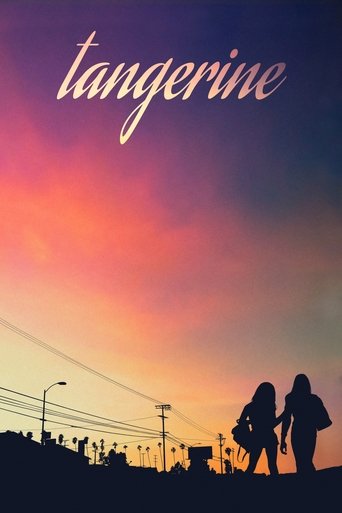
Sean Baker's iPhone-shot Christmas Eve odyssey is the indie movies reminder that trans stories were doing formally radical things a decade before the mainstream caught up. Mya Taylor and Kitana Kiki Rodriguez give two of the great unsung performances of the 2010s — Taylor in particular, whose comic timing and abrupt tenderness reshape the film's last twenty minutes into something genuinely transcendent. Watch it on the biggest screen you can, ignore the noise about the camera, and notice how much of Hollywood's visual vocabulary it predicted.
Can't Decide What to Watch?
Let RandomFlix pick a movie for you. One click, one great movie.
Roll the Dice5. Pariah
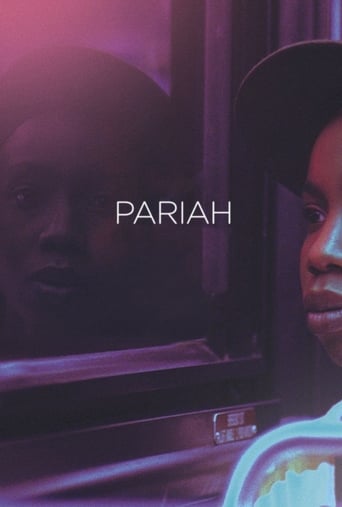
Dee Rees' debut is still under-seen, still devastating, still the Black queer coming-of-age film the canon keeps undervaluing. Adepero Oduye plays Alike, a Brooklyn teenager navigating her sexuality, her mother's denial, and the small daily geometry of who she can be in which room. It's the kind of performance — interior, precise, unshowy — that Pride lists exist to surface. If your queer canon has room for Moonlight but not Pariah, your canon has a problem.
6. Happy Together
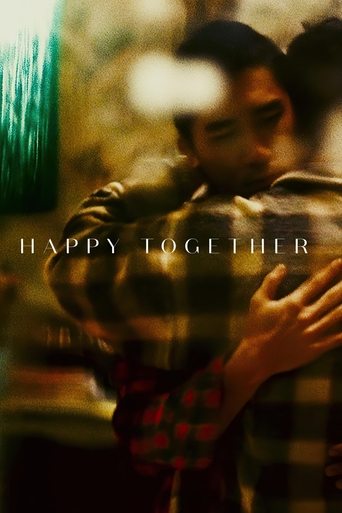
Wong Kar-wai's Buenos Aires heartbreak is the most beautifully photographed argument in cinema. Leslie Cheung and Tony Leung play a Hong Kong couple who keep breaking up and re-finding each other in a city neither of them can read, set to Christopher Doyle's saturated, fluorescent, neon-bruised cinematography. It's the secret companion piece to Passages — same restlessness, same refusal of neatness, different decade and different continent. Cheung's performance, in particular, looks more essential every year.
7. Portrait of a Lady on Fire
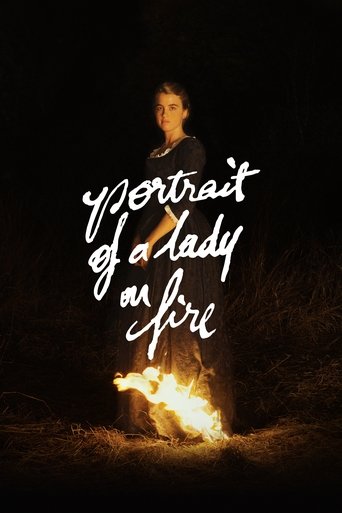
Céline Sciamma's looking-as-loving treatise is included not because it's obvious but because the Vivaldi scene deserves to be re-encountered every June. The closing shot — Adèle Haenel listening to the Four Seasons in a concert hall, the camera holding on her face for an unbroken minute — is the closest contemporary cinema has come to a religious experience. It's also the film that turned "the female gaze" from marketing copy into a workable critical term. Watch it with someone you can stay quiet next to for two hours.
How to Actually Watch This List in June
A practical note: streaming rights for queer films are notoriously volatile. What's available on a service in May can vanish by July, and the back-catalog churn hits LGBTQ titles harder than most. Half of this list is on streaming somewhere in the U.S. as of this writing; by the time you finish reading it, that math may already have shifted.
If you can't decide between the comedy and the ghost story on a given evening, RandomFlix's Roll the Dice feature is a low-effort way to let one of them land for you. Otherwise: see The Birdcage theatrically on June 7 or 10 if a Fathom screening is within driving distance. The rest can wait for a Tuesday.
What This List Refuses to Do
No Brokeback. No Call Me By Your Name. No Moonlight. Not because they aren't great — all three are masterpieces, and Moonlight in particular is probably the most important queer American film of the century. They were left off because you have already been told. Every June, by every outlet, in every roundup. A Pride list that recommends them in 2026 is doing the easiest possible version of the job.
The wager here is that a Pride list should expand the canon, not protect it. The Gay & Lesbian Review situated All of Us Strangers within a recent wave of queer-led films including Rustin, Maestro, and Fellow Travelers — the canon is actively growing, and our viewing habits should keep up.
Between the drama movies weight of All of Us Strangers, the heat and refusal of Passages, and the theatrical communal joy of The Birdcage at 30, this is the most genuinely interesting Pride month for movies in years. Skip the playlist. Pick something on this list you haven't seen. Go to the Fathom screening.