Why the Fourth Deserves Better Than a Fireworks Reel
There's a default setting for July 4th programming that we've all silently agreed to: somewhere, on some channel, Independence Day is playing on a loop. Pullman is giving the speech. The aliens are exploding. The brisket is resting. It's fun. It is also, intellectually, the equivalent of a sparkler — bright for ninety seconds, then a hot wire.
The strange thing about the holiday, though, is that it doesn't actually commemorate a victory or a flag or a fireworks show. It commemorates a document — one that opens with a list of complaints, makes a legal argument, and dares to declare its own legitimacy into existence. The Fourth of July, properly understood, is a holiday about arguing. So the films that honor it best are arguments themselves.
What follows is a ranked canon of movies that use the language of drama movies, spectacle, and historical reenactment to stage a real disagreement about American identity — what it has been, what it has failed to be, and what it might still become. The through-line connects Frank Capra's pre-war idealism to Oliver Stone's post-Vietnam fury to Spike Lee's twenty-first-century reckoning. None of it is unpatriotic. All of it is American.
The Founding Myths: When Cinema Goes Back to 1776
Jesus Camp
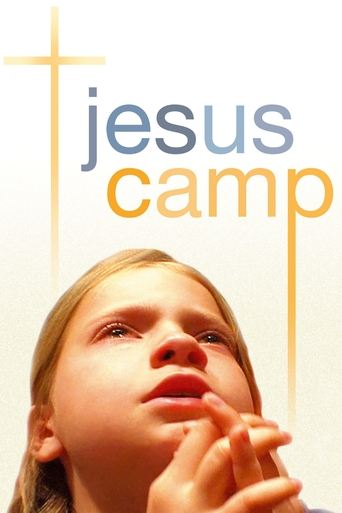
The most useful corrective to marble-statue history might be a musical. Peter Stone and Sherman Edwards's adaptation strands the Continental Congress in a sweltering Philadelphia room, where independence nearly collapses not over British tyranny but over the slavery clause Jefferson tried to smuggle into the Declaration. John Adams is insufferable. Franklin is a charming reactionary. The country is born compromised and exhausted, and the film never pretends otherwise.
Lincoln
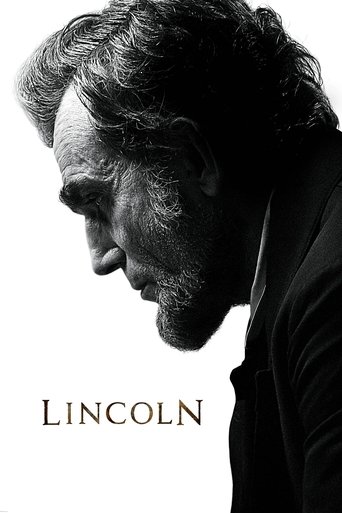
Steven Spielberg and Tony Kushner's collaboration is the rare presidential biopic that treats statecraft as work. The 13th Amendment doesn't pass because of a Lincoln Memorial monologue; it passes because of horse-trading, patronage jobs, and Tommy Lee Jones biting back his deepest convictions for a strategic vote. Daniel Day-Lewis plays a man who knows the cleanest path to a just outcome runs through a dirty room.
Hamilton
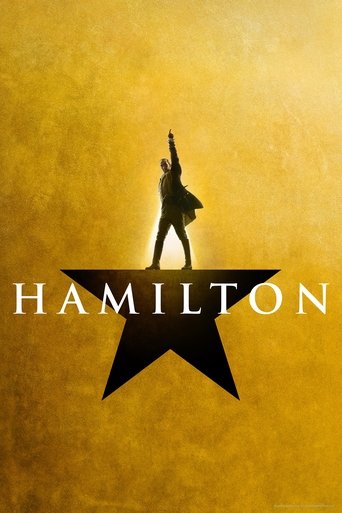
The filmed Broadway capture of Lin-Manuel Miranda's musical is, depending on the day, either a Founding Fathers fan letter or a sly indictment. Either way it strips the powdered-wig reverence off the founders and recasts them as ambitious, jealous, occasionally cruel men arguing in real time about what kind of country they were building. The fact that immigrants and the children of immigrants play them isn't decoration — it's the thesis.
The common thread across these three is a rejection of the diorama view of history. The country wasn't handed down; it was negotiated, loudly, by people who didn't fully agree on what they were creating.
The War Films That Refuse to Salute Cleanly
Glory
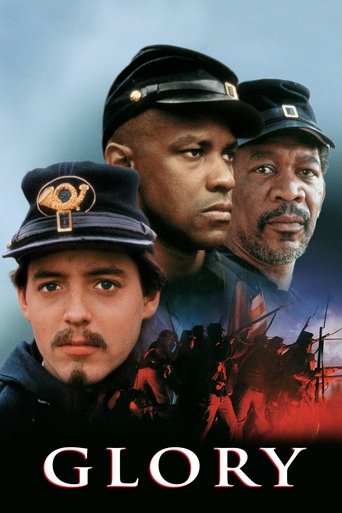
Edward Zwick's 1989 film about the 54th Massachusetts Volunteer Infantry — the Union's first major Black regiment — is on every serious list of films worth watching on the Fourth, and for good reason. It's a story of Black soldiers earning, through extraordinary sacrifice, a citizenship the country was still actively refusing to grant them. The final assault on Fort Wagner is one of the most devastating sequences in any American war picture, in part because the film never lets you forget what these men were dying for versus what they were dying into.
Saving Private Ryan
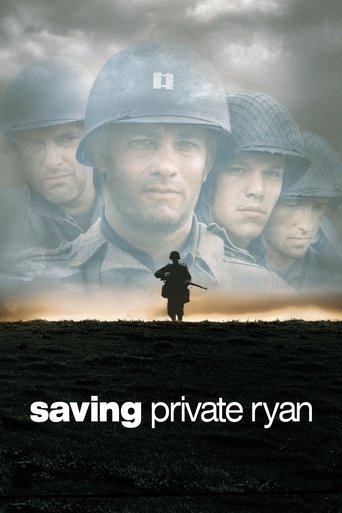
Spielberg's Omaha Beach opening is both a tribute and an indictment — a tribute to the men who waded into that water, an indictment of every clean, score-swelling depiction of combat that preceded it. The film respects the mission and questions the math of it in the same breath. That's a more honest patriotism than any flag-raising montage.
Born on the Fourth of July
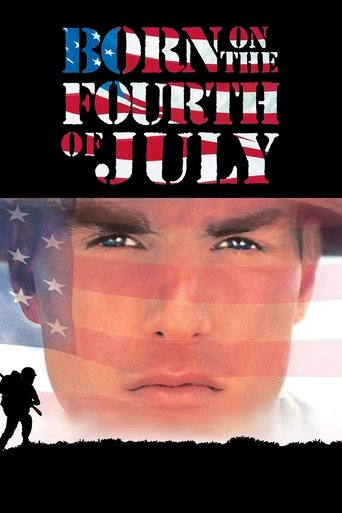
Oliver Stone's adaptation of Ron Kovic's memoir is the film that should be required July 4th viewing for anyone who thinks the holiday is settled. It's a searing take on the Vietnam War, literally framed against the holiday's parades and brass-band pageantry. Tom Cruise's performance — the wheelchair, the rage, the slow re-politicization of a former true believer — is one of the great American film performances precisely because it refuses to resolve into easy redemption.
Da 5 Bloods
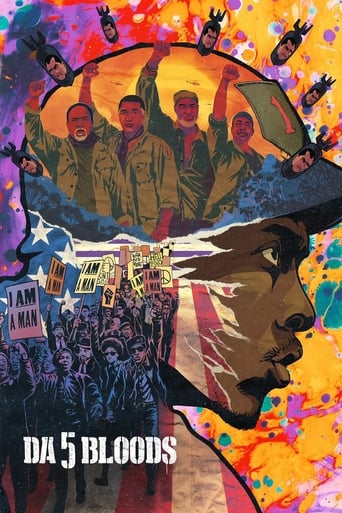
Spike Lee's late-career masterpiece returns four Black Vietnam veterans to the country where they fought and to the buried gold they buried there. It's a heist film, a ghost story, and a furious essay about a nation that asked Black men to die for ideals it then denied them at home. Together with Born on the Fourth of July, it bookends a fifty-year evolution in how American cinema talks about service.
You can trace the arc here from 1980s movies interrogations like Stone's to 2020s movies reckonings like Lee's — the war movies movie slowly trading heroism for honesty without losing reverence for the people inside the uniform.
The Civic Pictures: Institutions Under Pressure
Mr. Smith Goes to Washington
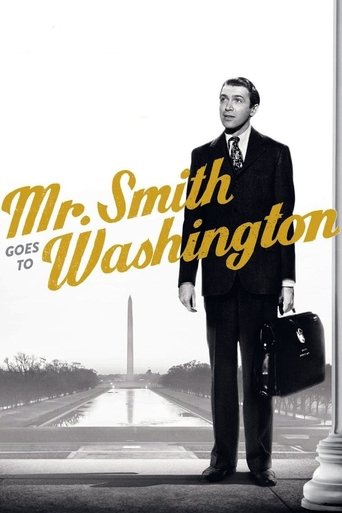
Capra's 1939 filibuster is the foundational American civic film. Jimmy Stewart's Jefferson Smith is naïve, then betrayed, then exhausted, then transcendent. The movie loves the Senate enough to show it rotten — which is the only kind of love a self-governing republic can really use.
Hidden Figures
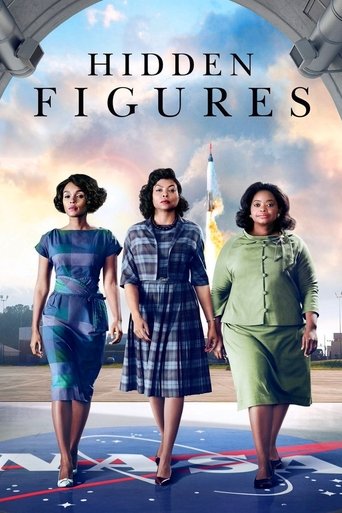
NASA in the early 1960s is the rare federal institution this canon depicts as actually working — but only because Katherine Johnson, Dorothy Vaughan, and Mary Jackson dragged it forward through segregation, dismissal, and condescension. Theodore Melfi's film is a celebration of public-sector competence and a reminder of who actually built it.
Jaws
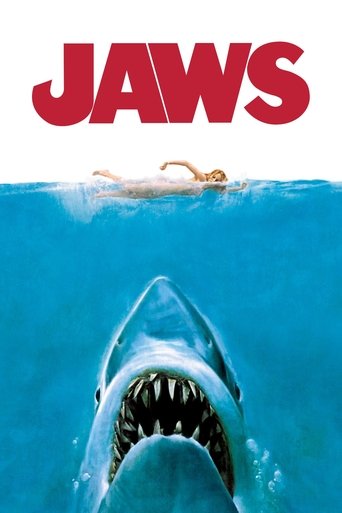
Yes, Jaws. The Spielberg classic that practically invented the summer blockbuster is also, conveniently, set on the Fourth of July — and underneath its perfect monster-movie machinery is a sharp little satire about a small-town mayor who chooses commerce over public safety until people are literally being eaten. The shark is the shark. The shark is also every elected official who's ever decided the beach has to stay open.
These films treat civic life — Senate floors, government agencies, town councils — as the real American battlefield. The fireworks are just the soundtrack.
The Sober-Eyed Counter-Canon
The Grapes of Wrath
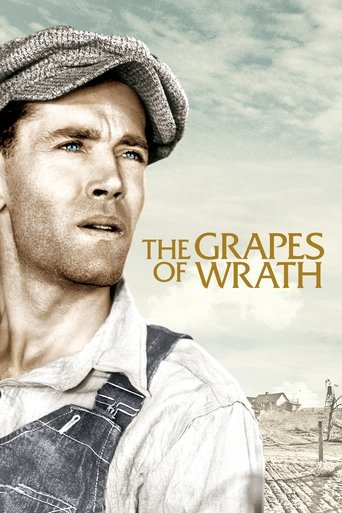
John Ford's 1940 adaptation of Steinbeck is the dark mirror of Golden Age optimism. The Joads aren't ungrateful; they're broken by the country they trusted. Henry Fonda's Tom Joad speech is one of the great American monologues, and it's not patriotic in any easy sense — it's something harder and more durable, a vow to keep believing in a people even when the system has failed them.
Do the Right Thing
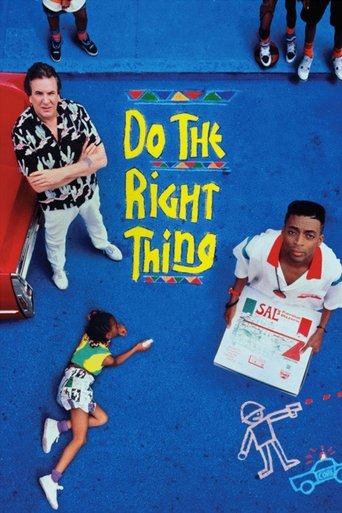
Spike Lee's Bed-Stuy block on the hottest day of the year is a microcosm of American heat — racial, economic, literal. The film refuses to tell you who's right because the country has refused, for centuries, to settle the same question. Three and a half decades on, Do the Right Thing remains one of the most honest films ever made about how Americans actually live next to one another.
Forrest Gump
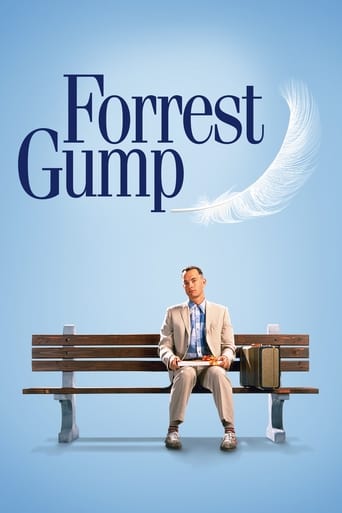
Robert Zemeckis's film is gentler than the others here, and stranger. Forrest drifts through Vietnam, Watergate, the Civil Rights Movement, the AIDS crisis — every American convulsion from the 1960s movies through the 1980s movies — without ever quite registering what's happening to him or to his country. That's the trick of the movie. It's a character study that lets history happen in the background, and asks whether innocence is a virtue or an alibi.
Harriet
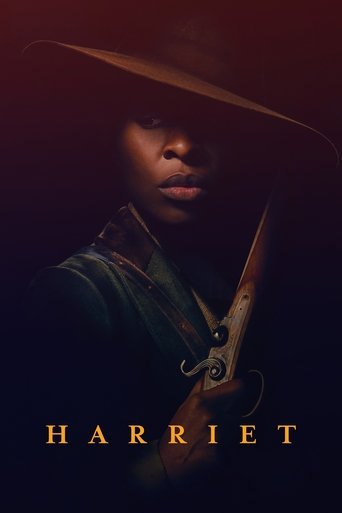
Kasi Lemmons's Harriet Tubman biopic reframes abolition as armed resistance — Tubman as action hero, not pamphleteer. It belongs in this conversation because it treats the Underground Railroad the way American cinema usually treats Westerns: as a story of nerve, terrain, and tactical brilliance.
The based-on-true-story movies films work hardest when they refuse the comfort of resolution. The country in these movies is unfinished. That's not a flaw in the script.
Can't Decide What to Watch?
Let RandomFlix pick a movie for you. One click, one great movie.
Roll the DiceThe Crowd-Pleasers That Earn Their Flag
A canon that's only critique is its own kind of dishonesty. There has to be room for joy.
Independence Day
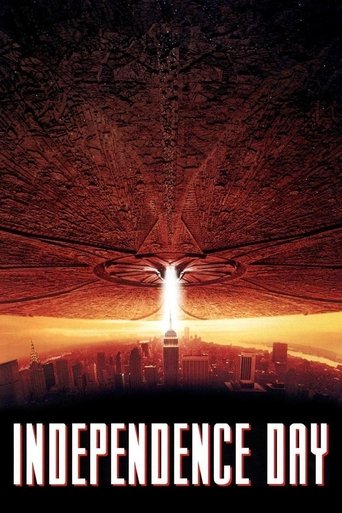
Roland Emmerich's alien-invasion blockbuster is here because President Whitmore's speech somehow survives every parody. It's been called one of the greatest speeches in cinematic history, and that's not entirely a joke. The film genuinely believes its own multiracial, multinational, every-pilot-in-the-air coalition. That sincerity is what makes it endure.
Top Gun
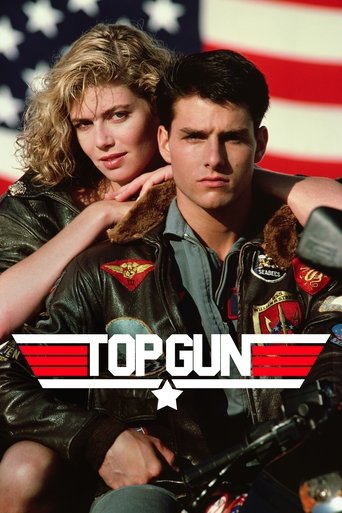
Tony Scott's 1986 film captures a gung-ho, pre-9/11 patriotic optimism that's now almost impossible to access without irony. Watch it as a time capsule of confident, uncomplicated American cool — beach volleyball, aviators, Kenny Loggins, no second thoughts.
Yankee Doodle Dandy
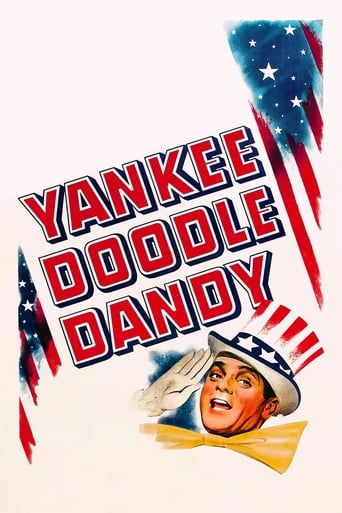
James Cagney's George M. Cohan is vaudeville patriotism at its most charming. Cagney dances like a man who's about to fall down a flight of stairs and absolutely will not. The film is openly sentimental and unguarded about it, which is its own kind of bravery.
These belong on the list too. A holiday that's only critique becomes a lecture; a holiday that's only celebration becomes a parade float. The canon needs both — and RandomFlix's historical-drama movies hub is a useful place to pivot from one register to the other.
Building Your Own Fourth of July Double Feature
The best way to spend the holiday isn't to pick one mode and commit. It's to argue with yourself across two movies.
A few pairings that do real work:
- Jesus Camp + Hamilton — the founding, twice, in two utterly different musical idioms. Watch how each generation casts the same men.
- Glory + Da 5 Bloods — Black American soldiers across two centuries, fighting for a country that kept moving the goalposts.
- Jaws + Independence Day — the holiday's two definitive blockbusters, both set on the Fourth, both about a leader who has to decide whether to tell the truth.
Alternate the celebratory and the critical. That oscillation — the willingness to love the country and to argue with it in the same evening — is the whole American trick. Light the grill, queue something with teeth, and let the fireworks land on a movie that earned them.