Why the Witch Keeps Coming Back
On September 11, 2026, Sandra Bullock and Nicole Kidman finally reappear as Sally and Gillian Owens in Practical Magic 2, a sequel arriving nearly three decades after the original — and this time they're joined by Lee Pace and Maisie Williams, a casting coup that suggests Warner Bros. knows exactly how much affection has quietly accumulated around the Owens sisters. The wait has been long enough that the film enters a completely transformed landscape. When the first Practical Magic opened in 1998, "witch cinema" mostly meant camp, teen melodrama, or Disney fluff. In 2026, it means A24 folk horror, Studio Ghibli coming-of-age, and reappraisals of silent-era heretic imagery.
That's because the witch is arguably Hollywood's most durable female archetype — villain, victim, rebel, or role model depending on who's holding the camera and what the culture is anxious about that decade. She can be burned, adored, feared, or cheered. She survives every reinvention.
What follows is a ranked survey of witch-specific cinema — films where the witch is a character, not a vibe. No fantasy movies epics about wizards. No Harry Potter, no Lord of the Rings. No pagan-adjacent folk horror where the witch is a rumor rather than a person. Just twelve films that took the archetype seriously and reshaped it in the process, ranked by craft first, cultural weight second.
Ground Rules for the Ranking
Three criteria: the film must center witches as characters rather than gesture at vague occultism; it must hold up as cinema on its own terms; and influence on the horror movies tradition serves as a tiebreaker when quality is close.
Some omissions readers will notice. No Blair Witch — the witch never appears on screen. No Rosemary's Baby in the top slot, though it earns an asterisked entry below, because Polanski's coven is fundamentally in service of Satan rather than practicing craft of their own. The range here is wide on purpose: silent cinema to A24, hand-drawn animation to giallo neon, arthouse to multiplex. The witch belongs to every mode of filmmaking that's ever tried to claim her.
The Ranked List: 12 Essential Witch Movies
12. Hocus Pocus
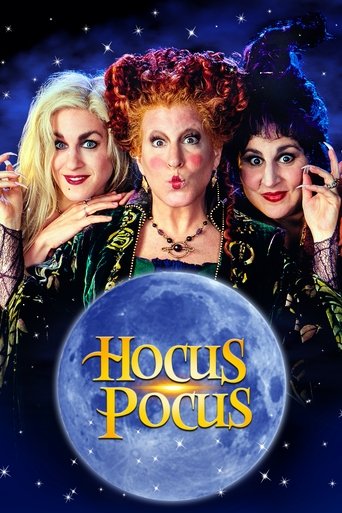
A modest 1993 Disney release that flopped theatrically and then, through decades of October cable rotation, became a generational Halloween ritual. Bette Midler, Sarah Jessica Parker, and Kathy Najimy play the Sanderson sisters as camp perfection — three vaudevillians in witch drag, chewing every set piece the film hands them. The movie itself is uneven, but cultural longevity is a form of craft, and no 1990s movies nostalgia programming feels complete without it. It ranks here because it proved the witch could be pure pleasure.
11. Practical Magic
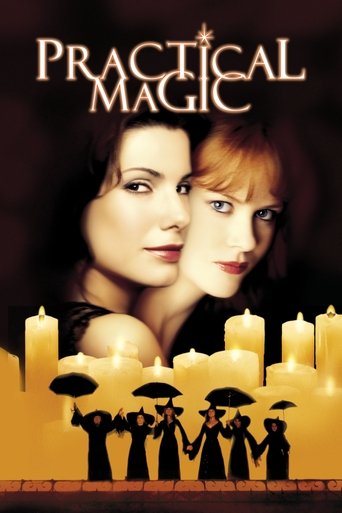
Griffin Dunne's 1998 adaptation is a tonal patchwork: rom-com, family melodrama, gothic tragedy, and midnight-margarita magic realism all sharing one runtime. Critics dismissed it on release; audiences quietly canonized it on cable and home video. What holds it together — and what makes a 2026 sequel possible at all — is the chemistry between Bullock and Kidman as the Owens sisters, two women whose love for each other is the actual magic system of the film. Essential viewing before Practical Magic 2 hits theaters.
10. The Craft
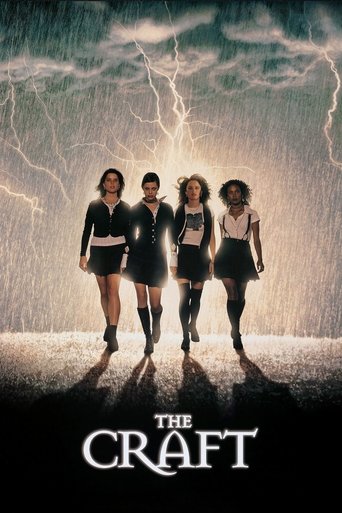
Andrew Fleming's 1996 Catholic-schoolgirl coven turned adolescent rage into ritual, and a whole generation of moviegoers experienced it as a rite of passage. The teen-witch aesthetic — chokers, plaid skirts, dripping candles — is entirely downstream of this film. Fairuza Balk's Nancy remains one of the great screen witches, a portrait of what unchecked power does to someone who's never had any. It's the movie that made teen witchcraft a permanent cinematic sub-mode.
9. The Love Witch
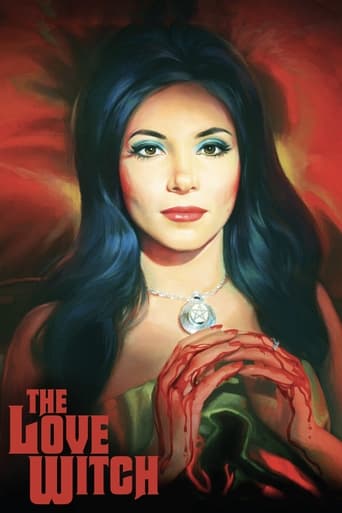
Anna Biller's 2016 Technicolor pastiche is one of the most formally rigorous witch films ever made, and one of the strangest. Biller wrote, directed, edited, scored, and designed every costume and set herself, using 35mm and painstakingly analog craft to imitate 1960s and '70s pulp cinema. The result is a film about female-gaze movies filmmaking as much as it's about witchcraft — a critique of male desire built from the exact aesthetic vocabulary that historically served it. Nothing else looks like it.
8. Häxan
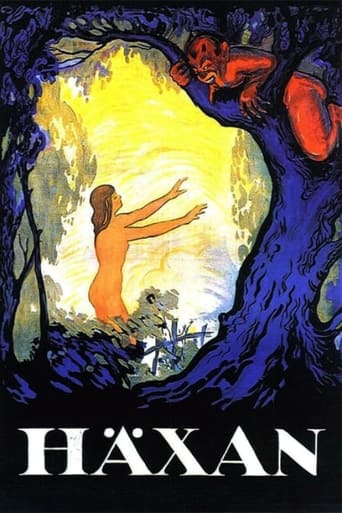
Benjamin Christensen's 1922 Swedish-Danish hybrid remains startling a century after release — part academic lecture on medieval witch trials, part hallucinatory horror reenactment featuring the director himself as the Devil. It's the ur-text. Every serious witch film since owes Häxan some debt, whether in its trial imagery, its sympathy for accused women, or its willingness to render the demonic as lush spectacle. If a canon of witch cinema exists, this is entry number one chronologically and near the top thematically.
7. Bell, Book and Candle
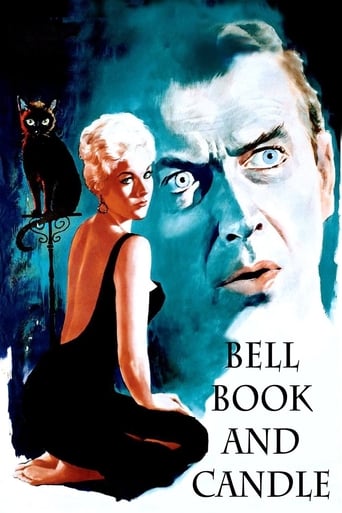
Richard Quine's 1958 Kim Novak vehicle recast the witch as a chic Greenwich Village bohemian with a Siamese familiar and an art gallery — an urbane, unbothered, quietly powerful woman. It's the DNA of every romantic-comedy witch since. Bewitched borrowed liberally within a few years, and Practical Magic borrowed the vibe forty years later. The film's charm is a Trojan horse for a real argument: what if the witch just wanted to live her life?
6. The VVitch
Robert Eggers' directorial debut premiered at Sundance in 2015 and was released by A24 in 2016. Shot for around $4 million and grossing over $40 million worldwide, it built a folk-horror renaissance on candlelight, goat-flesh, and painstaking 17th-century dialect. Anya Taylor-Joy's Thomasin walking into the woods at the end is arguably the decade's most quietly radical closing image — liberation staged as damnation, or damnation staged as liberation, depending on how you read it. It's still the ideal entry point for folk-horror movies newcomers.
5. The Wizard of Oz
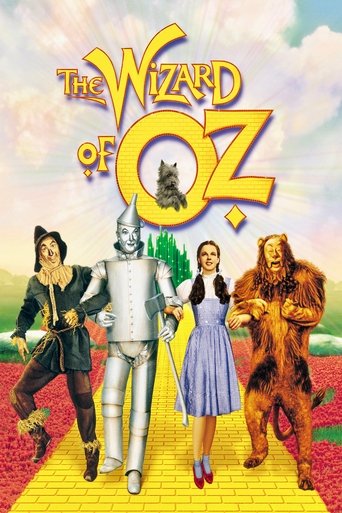
Margaret Hamilton's Wicked Witch of the West is arguably the single most recognizable witch in cinema history. Green skin, pointed hat, broom, cackle — the entire visual grammar of the pop-culture witch traces back to 1939 and one performance. That's why she ranks this high. Iconography is destiny; every witch design created since exists in dialogue with, or in flight from, Hamilton's silhouette. You cannot draw a witch today without her.
4. Rosemary's Baby
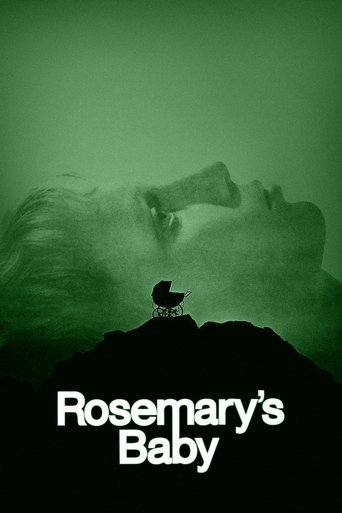
Included with an asterisk. Polanski's 1968 apartment-building coven serves Satan more than craft, but Ruth Gordon and her Manhattan neighbors are unmistakably witches, and the film established the template for domestic paranoia horror that everything from Hereditary to Get Out builds on. Gordon won an Oscar for a performance that made evil look like a nosy aunt — a piece of casting so sly it retroactively rewrote how movies could depict cults. Its exclusion from a witch-cinema list would be perverse; its ranking here reflects the theological fine print.
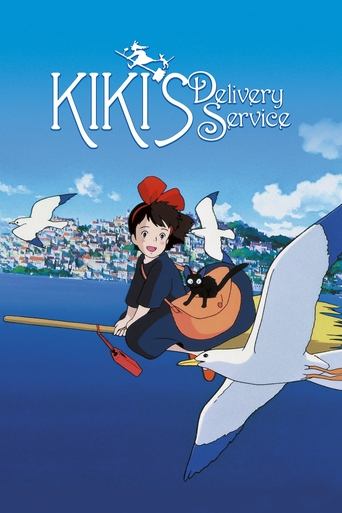
3. Kiki's Delivery Service
Can't Decide What to Watch?
Let RandomFlix pick a movie for you. One click, one great movie.
Roll the DiceTime Out has called it Hayao Miyazaki's first masterpiece, a film about a teenage witch that goes deeper than typical fare. It was the first Studio Ghibli film to be commercially successful on initial release, grossing ¥4.3 billion (roughly $31 million) in Japan, and Miyazaki deliberately wanted to move past the witchcraft stereotypes that dominated Japanese media at the time. The result reimagines the witch as a working-class thirteen-year-old learning to live alone in a strange city. The stretch where Kiki loses her powers remains one of cinema's most honest depictions of adolescent depression and creative block — a witch movie that understands magic and vocation are the same thing, and both can fail you.
2. The Wicker Man
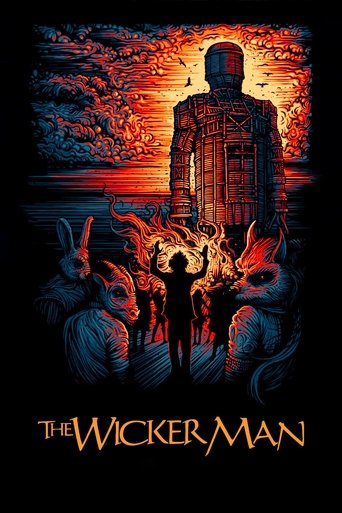
Robin Hardy's 1973 pagan-island nightmare treats witchcraft as community practice rather than solo spellcasting, which is precisely why it belongs here — it's one of the rare witch films that treats belief as sincere rather than spectacle. Britt Ekland's dance sequence alone justifies inclusion, but the whole film is a masterclass in tonal misdirection: sunlit, folk-scored, cheerful, and ultimately unspeakable. Christopher Lee reportedly considered Lord Summerisle his finest role, and it's easy to see why. The film builds its horror out of pastoral joy.
1. Suspiria
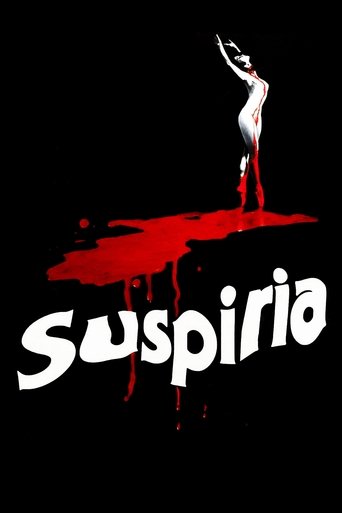
Dario Argento's 1977 Tanz Akademie coven is the peak: a nightmare fairytale in impossible neon, scored by Goblin, structured like a Grimm story dropped into a giallo. The BFI has described it as the most famous of all Italian horror movies. Argento understood something most witch filmmakers still miss — that witches are about atmosphere before narrative. The film weaves its visual and sonic elements into what critics have called a "celluloid magic spell." It doesn't tell a story so much as cast one.
The Hollywood Reporter has argued that Suspiria — both Argento's 1977 original and Luca Guadagnino's 2018 remake — challenges preconceived notions of witches as horror movie ghouls. Guadagnino's version reframes the coven as postwar political metaphor and stands as a genuinely worthy companion piece; watch both, in whichever order feels right. Together they represent the ceiling every subsequent witch film aims for and the reason the archetype still has room to grow.
What Practical Magic 2 Has to Live Up To
The 2026 sequel enters a field the original Practical Magic could not have imagined. The witch has been reclaimed by arthouse (Eggers, Guadagnino), reinvented by animation (Miyazaki, and the ongoing ripple effects of Kiki's Delivery Service), interrogated by feminist formalism (The Love Witch), and canonized by camp (Hocus Pocus). That's a lot of ceiling.
But there are reasons for real optimism. Bullock and Kidman are back and reportedly producing. Trailer reveals have confirmed Lee Pace and Maisie Williams joining the cast, with a release date moved up to September 11, 2026 from the original September 18 slot. Nearly three decades of accumulated affection for the Owens sisters means the film doesn't have to build its audience — it just has to honor them.
Whatever it delivers, Practical Magic 2 is arriving in the most witch-literate cultural moment since the 1990s coven boom. Viewers have seen Thomasin walk into the woods, watched Kiki learn to fly again, sat through Suspira twice. They know what the archetype can do. The bar is high, and that's the best possible news for a sequel about two sisters who always understood the assignment: love each other, cast the spell, keep the porch light on.
Before September, revisit the twelve films above — then let the archetype's next chapter surprise you.