The Particular Grief of Late August
You can feel it before you can name it. The cicadas thin out to a ragged chorus. The sun that was overhead at 8pm two weeks ago now hits the horizon at 7:45, then 7:30, then earlier still. The chlorine on your skin from an afternoon swim smells less like summer and more like something turning — an aftertaste. Porches empty earlier. The ice cream shop has one lonely light on. Somewhere a car door slams and a family is loading a station wagon for the drive home.
This is not sadness that wants fixing. It's an ache with a specific shape, and the worst thing you can do to it is try to distract yourself with something loud and bright. Certain films — a small, precise canon of them — are built to sit inside this exact register. They don't extend the season. They don't mourn it either, exactly. They just let you feel the going of it.
Molly Haskell, writing in Film Comment about Call Me by Your Name, called this feeling almost perfectly. She points out that the film captures "the languor of the summer mood," while at the same time evoking a sense of "time closing in." That's the emotional frequency we're tuning to here. Languor and closure. Warm skin and the thought of a coat.
This isn't the general melancholy of drama movies. End-of-summer sadness is location-specific. It lives in bodies of water, in porches after the guests have gone, in the last long drive with the windows down when the wind is a little too cool. What follows is a mood guide organized by the textures that ache — the heat haze, the last party, the water that still holds warmth after the air has turned. Films for the exact shape of what's ending.
Heat-Drenched Aches: Films That Live Inside the Last Warm Days
Call Me by Your Name
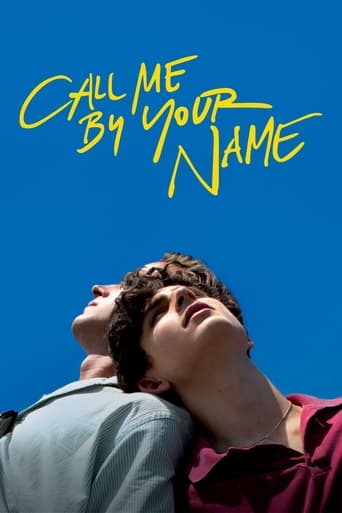
Luca Guadagnino's Crema in that particular peach-and-apricot light is the master text on summer's closing. Every shot is dappled; every meal is outdoors; the pool tiles are always warm. And then it's over. Oliver's revelation on the phone that he's getting married is the moment reality intrudes on what had been a private world, and it lands as a devastating blow — not just to Elio but to the audience who has lived inside that summer with him. The famous fireplace close-up at the end, held for what feels like an entire season, is the definitive end-of-summer image in modern cinema. It's a face registering the exact moment a summer becomes a memory.
La Ciénaga
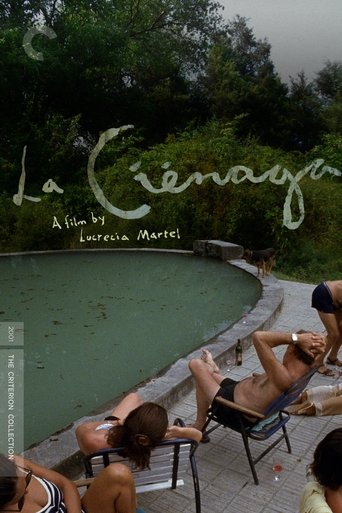
Lucrecia Martel's debut is an entirely different animal — stagnant, buzzing, oppressive. The pool is green with algae. The insects never stop. The heat has become its own character, and it presses down on a family too listless to move. This is end-of-summer as a state that refuses to end, a season that has curdled and won't release its grip. It's a film about the terror of no rupture: summer as a room you cannot leave.
The Green Ray
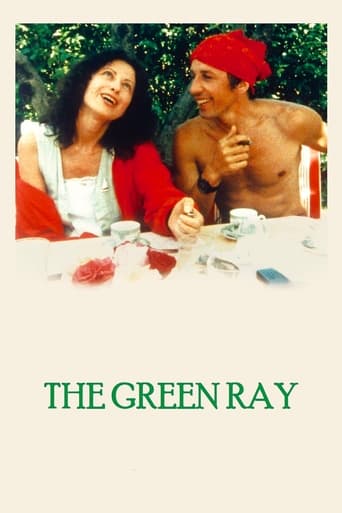
Éric Rohmer's Delphine drifts through a vacation that keeps failing to become one. She goes to Cherbourg, to the Alps, to Biarritz, and each place refuses to console her. It might be the loneliest August ever committed to film, and yet — this is Rohmer's quiet magic — it's also somehow consoling. To watch someone else be this lonely at the height of the holiday season is to feel less alone in it yourself. The final shot, chasing a meteorological phenomenon at sunset, is one of cinema's great acts of faith.
Do the Right Thing
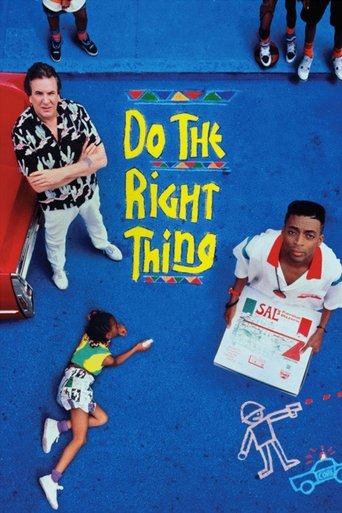
Spike Lee's Bed-Stuy block is a pressure cooker, and end-of-summer here is not a fade-out but a detonation. The hottest day of the year is not an atmosphere; it's a fuse. This is the other side of the coin — a reminder that "summer melancholy" is a privileged posture, and that heat has always meant something more urgent and more dangerous depending on where you're standing. It belongs on this list precisely because it refuses the register the other films embrace. Some summers don't end gently. Some end with everything on fire.
Last-Night Films: The Party That Has to End
Dazed and Confused
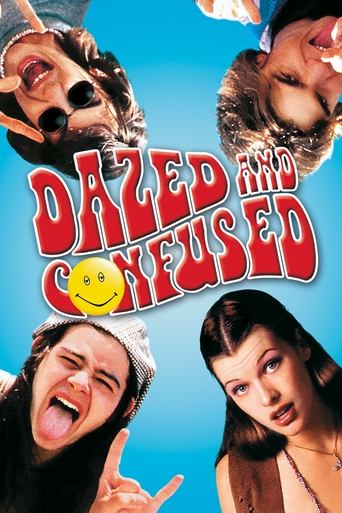
Richard Linklater's final-day-of-school movie is the spiritual companion piece to end-of-summer cinema. It's about a group that will never assemble in quite this configuration again, and the film knows it — every character is holding on a little too hard to a moment they can already feel slipping. The soundtrack of half-empty beer cans and Aerosmith is the sound of a specific kind of countdown.
Adventureland
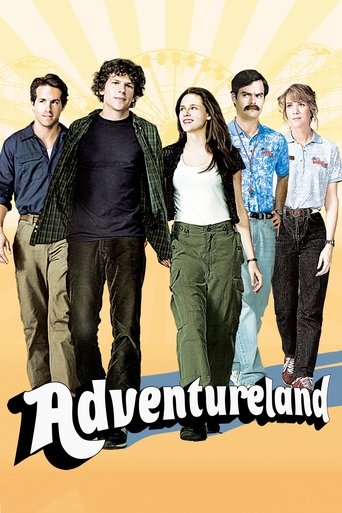
Greg Mottola's Pittsburgh amusement park is the perfect setting for the summer-job romance — a place explicitly built around the fact that it will close. Everyone here knows the season has an expiration date printed on it, and they keep falling in love anyway. The film captures a life-changing summer at a theme park with a slate of memorable characters and a soundtrack that anchors the whole thing in a specific bittersweet register. The James/Em kiss in the rain at the end is what end-of-summer feels like when you're in your twenties and don't yet know what work is.
American Honey

Andrea Arnold's road-trip sprawl is an entire summer stretched to breaking. Sasha Lane's Star in the sprinkler at dawn, or dancing in the parking lot of a supermarket to a song she can barely hear, is a whole thesis on youth running out. The film is nearly three hours long because it wants you to feel time the way its characters do — endless and already gone.
These last-night films share a structural device: a countdown the characters pretend isn't happening. They're the emotional inverse of a New Year's Eve movie. Nobody counts down out loud. Everybody knows.
Coming-of-Age Closures: When Summer Was the Whole Story
Stand by Me
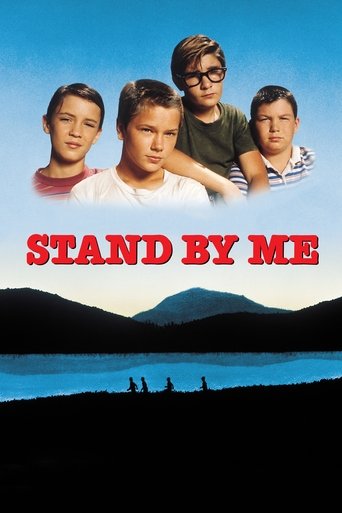
Rob Reiner's adaptation of the Stephen King novella ends on one of the most quietly devastating closing lines in American film. The narration about friends when you're twelve, delivered by an adult Gordie who has clearly lost something he'll never recover, is an end-of-summer eulogy for an entire life stage. The paddle-back-to-shore of childhood friendship — that's what this film is really about. You can date the exact summer your childhood ended, and this movie knows it.
Moonrise Kingdom
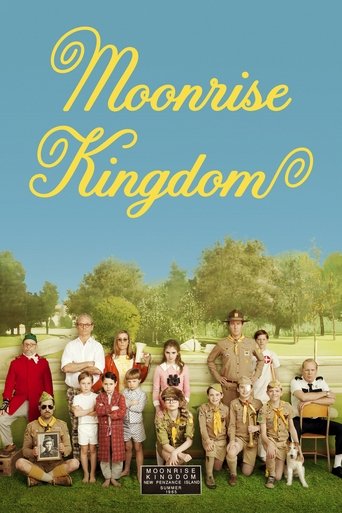
Wes Anderson's New Penzance is a diorama of first love with a hurricane always on the horizon. Suzy and Sam's escape is built on the knowledge that summer will end and someone will make them go back. The storm, when it comes, is the season's forced conclusion — a climate event standing in for adulthood, or for institutions, or just for the fact that no first love survives September intact.
Summer Vacation 1999
Shuji Kaneko's cult Japanese film is a boarding-school reverie in which the students are played by young girls dubbed with boys' voices, and the entire film hums with an unreal, dreamlike suspension. Summer here is a state you can almost believe will last forever — until the arrival that ruptures it forces everyone to acknowledge that it won't. It's a strange, luminous entry in a small but real subgenre.
These are 1980s movies and beyond examples of a very specific form: films where the end of summer is coextensive with the end of innocence. The season doesn't just close. Something inside the characters closes with it.
The Water Films: When the Ocean Knows Summer Is Over
Jaws
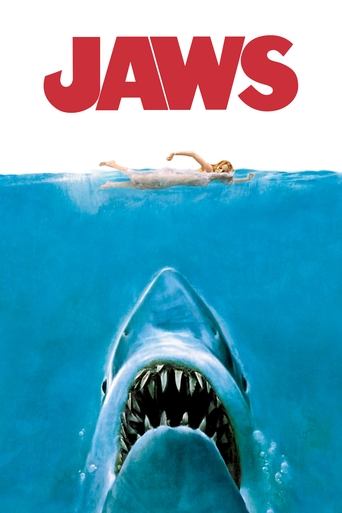
Watch it once for the shark, and then watch it again for what the film is really about: a beach town whose season is collapsing. The Amity boardwalk empties. The tourist economy craters. Brody paddles back to shore at the end — exhausted, half-drowned, the ocean behind him finally quiet — and the credits roll on a summer that took everything. That final paddle back to shore is one of the most iconic end-of-summer images in film, a moment where the season's violence finally releases its hold. The horror movie is also, secretly, a Labor Day movie.
Aftersun
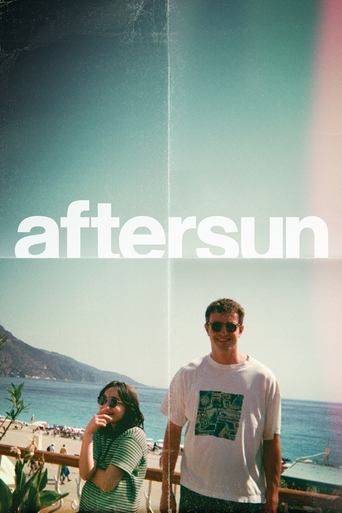
Charlotte Wells' debut is the great recent addition to this canon. A Turkish resort holiday reconstructed through the memory of a daughter looking back at her father — it understands that summer sadness is often retroactive, only fully felt years later when you realize what a particular week was, and what it was going to be. The rave sequences, the camcorder footage, the pool at dusk: this is a film built entirely out of the texture of a summer that has already ended before the movie begins.
Water is the season's mirror. Pools, oceans, lakes — bodies of water hold warmth longer than the air does, and there's a particular sadness in swimming in a lake on the last warm evening of the year, knowing the water is lying to you about what season it is. These are the films that swim in that lie.
Midsommar and the Reverse Move
Midsommar
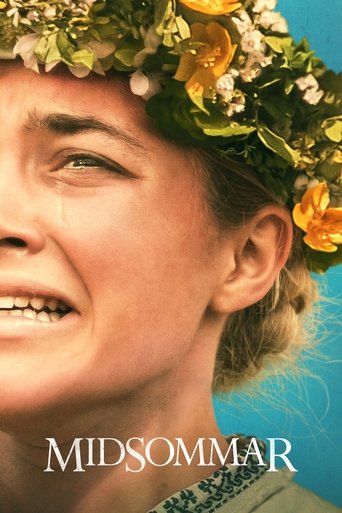
Ari Aster's inversion is essential to any honest end-of-summer canon. He uses perpetual daylight to expose grief rather than to mask it. The Hårga's endless summer is psychological horror precisely because the season refuses to end — no dusk, no closure, no relief. Dani's smile at the end is the smile of someone who has been forced to remain in summer past the point when summer should have released her.
Include it as counterprogramming. If the ache of a season closing feels too gentle for the mood you're actually in — if what you're feeling is more like being trapped than being released — Midsommar is the film for that. It belongs to a small but potent tradition within horror movies that uses sun and heat rather than shadow, and its power comes from the recognition that summer, extended indefinitely, becomes a different kind of nightmare.
How to Pick Tonight's Film
Three questions, roughly:
Do you want to cry? Call Me by Your Name or Aftersun. The fireplace close-up, the camcorder rewind. These are films for the ache that wants to be met head-on, at full volume, with a glass of wine and no interruptions.
Do you want to sit with quiet dread? La Ciénaga or The Green Ray. Films where nothing happens and everything happens, where the sadness is atmospheric rather than plotted. Good for late-night viewing when you don't want the film to make demands.
Do you want to party one last time? Dazed and Confused or Adventureland. The countdown movies. Loud soundtracks, half-remembered nights, the specific bittersweet high of knowing this can't last.
If none of that quite fits — if you know the mood but can't name it — melancholy movies is the throughline connecting these otherwise wildly different films, and it's worth exploring further. And if you truly can't decide, hand the choice over to the dice on RandomFlix. Sometimes the film picks you, which is its own small act of grace at the end of a long season.
The point of any of these isn't to feel better. It's to feel accurately. The ache you have right now — the one that came in with the earlier sunsets and the smell of stale chlorine — is real and worth honoring. Put on one of these films tonight. Let the season close the way it wants to close.