The Late-September Feeling Nobody Names
There's a specific moment, somewhere around six in the evening in the last week of September, when the light goes amber and the air remembers it used to be cold. You want something on the screen that matches it — something with weight, a little hush, maybe a candle in a corridor — but you don't want to be assaulted. You don't want gore. You don't want a hand shooting out of a closet. You want a mood, not a mugging.
The trouble is that most horror movies lists at this time of year are useless for that craving. They shove Hereditary next to Hocus Pocus and call it a spectrum, which serves nobody: the horror-averse viewer gets ambushed by grief-trauma imagery on page one, and the seasoned viewer rolls their eyes at the kids' section. The problem isn't that "not scary" lists exist. It's that they treat scariness as a single dial to be turned down, when actually what we want in late September isn't diluted horror at all. It's a different substance entirely.
That substance is dread — and dread has textures. What follows is a map of five of them, each keyed to a different late-September mood, and each represented by films that trade in atmosphere, score, and lingering unease rather than shock. None of them require you to watch through your fingers.
What "Spooky Without Scary" Actually Means
The mode we're circling has a name in criticism: the slow burn, or atmospheric horror. Slow-burn horror movies are usually described as films that build tension gradually rather than relying on jump scares, and atmospheric horror leans on mood, setting, and score to create unease. The distinction that matters for a jumpy viewer is the one between dread and terror. Terror is acute and physiological — the jolt, the flinch, the involuntary yelp. Dread is a texture that hangs in the air of a scene. You can sit inside dread for two hours the way you sit inside a fog. You cannot sit inside terror; terror ejects you.
The lineage here runs through gothic novels, Victorian ghost stories, and the quieter cousins of folk horror — the atmospheric movies tradition that prizes what a room feels like over what jumps out of it. Critics writing on atmospheric horror consistently emphasize tone and lingering unease over shock as the source of the appeal, and that's the exact frequency this list is tuned to.
A useful rule of thumb: if a film's power survives with the sound turned off, it's atmosphere. If it needs the jolt to land, it's horror proper. Everything below passes the mute test.
Mood One: Gothic Ache
For the viewer who wants candlelight, long corridors, wet velvet, and grief dressed in period costume. This is the mode for a rainy Sunday afternoon when you want beauty and sadness in equal measure.
Crimson Peak
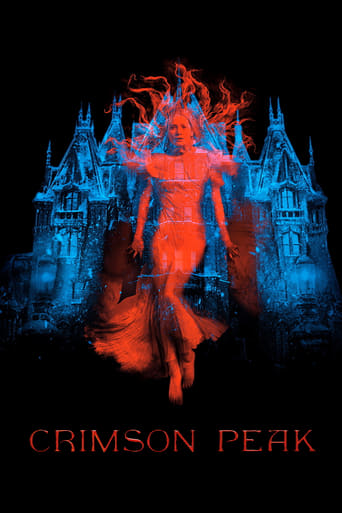
Guillermo del Toro has been explicit for years that this was never a horror film in his mind — it was a gothic romance that happened to contain ghosts, and the ghosts are metaphor before they are menace. The threat in the house isn't the specters drifting through the halls; it's the wallpaper, the plumbing bleeding red clay, the sense that the building itself is digesting its inhabitants. If you go in expecting fright, you'll be underwhelmed. Go in expecting a Brontë novel that someone spilled paint on and you'll get exactly the September evening you were after.
The Others
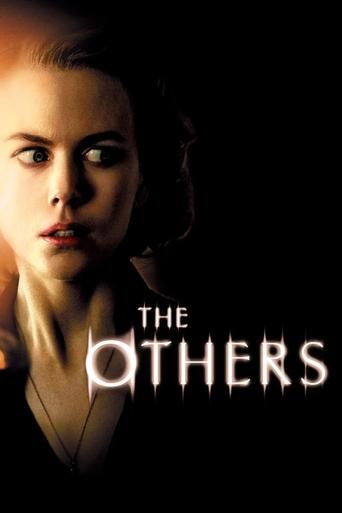
Alejandro Amenábar's 2001 haunted-house film is the platonic example of what a hush can do. Nicole Kidman drawing a curtain is scarier than any monster because the film has taught you, in its patient first act, that light itself is the enemy of the people inside the house. There is essentially no gore, no jump-scare architecture, and the twist — when it arrives — rearranges the sadness rather than escalating the fear. This is what "dread as texture" looks like in its purest form.
Mood Two: Folk Unease
For the reader drawn to landscape, ritual, and the feeling that something in the ground is older than the plot. Folk unease is the mode where the setting is the antagonist, and often the film refuses to name what's wrong.
The Village

M. Night Shyamalan's most unfairly maligned film is not really a monster movie at all. It's a fable about the stories a community tells itself to survive its own grief, and the creatures in the woods are almost incidental to that argument. James Newton Howard's violin score does more atmospheric work than any of the red-cloaked figures, and Roger Deakins shoots the autumn woods in a way that makes the leaves feel complicit. Watch it as folklore, not as a thriller with a twist, and it lands entirely differently.
Picnic at Hanging Rock
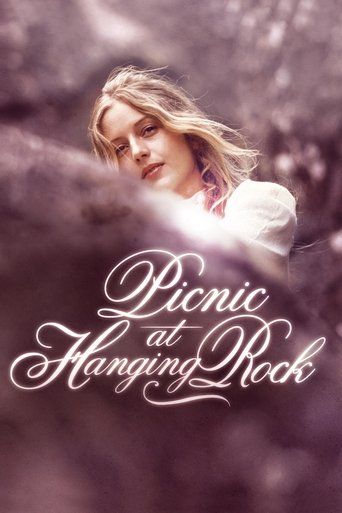
Peter Weir's 1975 masterpiece is the ur-text of unresolved dread. A group of Australian schoolgirls disappear into a rock formation on Valentine's Day, and the film refuses — refuses, with almost aggressive serenity — to explain what happened. That refusal is the point. The sun-bleached photography, the pan-flute drift of the score, the sense that European bodies are being quietly rejected by an older landscape: it all accumulates into a feeling you can't quite shake for a week afterward. Nothing in it will make you flinch. Everything in it will make you uneasy.
If this mode is your frequency, the broader 1970s movies rewards further exploration — that decade had a particular gift for slow, sun-bleached unease that modern horror rarely attempts.
Mood Three: Cozy Macabre
For the reader who wants pumpkins, cobwebs, and a smirk. This is the mode where the spooky iconography is deployed for design pleasure rather than fear, and where the dead are more likely to be irritating than threatening.
Beetlejuice
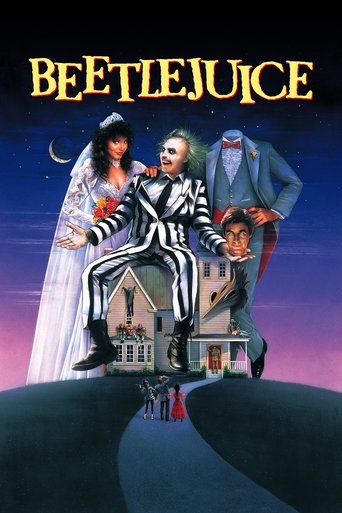
Tim Burton's afterlife bureaucracy owes more to Edward Gorey than to any horror tradition. The dread here is entirely aesthetic — the striped suits, the sandworms, the waiting-room-of-the-damned — and the film is essentially a haunted-house comedy told from the ghosts' perspective. There is no scene in it that would trouble a squeamish viewer, and yet the whole thing radiates October energy from every frame.
What We Do in the Shadows
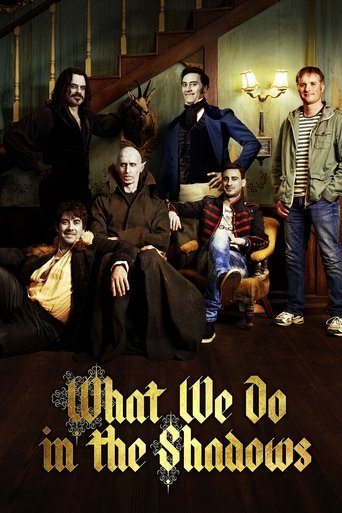
The genius of the vampire-flatmates conceit is how quickly the supernatural becomes mundane, and how funny mundane supernatural life turns out to be. Vampires argue about dishes. A werewolf pack insists they're not swears, they're werewolves. The film understands that once you domesticate the monstrous, it stops being frightening and starts being endearing — which is exactly the register you want when the porch light is on and you have something warm to drink.
Mood Four: Ghostly Grief
For the reader who wants a film to sit with them rather than startle them. This is the quietest mode on the list and probably the most emotionally demanding — these are movies that use spectral imagery to talk about loss, time, and what remains.
A Ghost Story
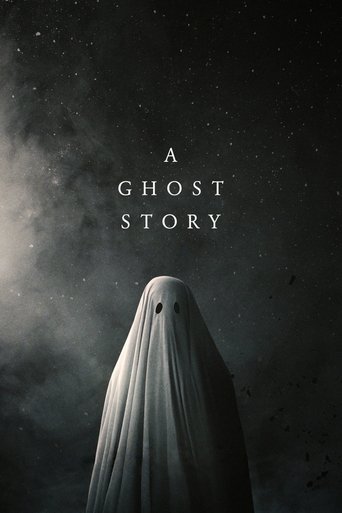
David Lowery's film puts Casey Affleck under a bedsheet with two eye-holes cut into it and then lets him watch centuries pass in the house he used to live in. It sounds absurd; it plays devastating. The film is patient to the point of provocation — there is a famously long single-take pie-eating scene — and by the end the sheet-ghost has become one of the great cinematic images of grief. Nothing in it is designed to frighten. Everything in it is designed to ache.
Personal Shopper
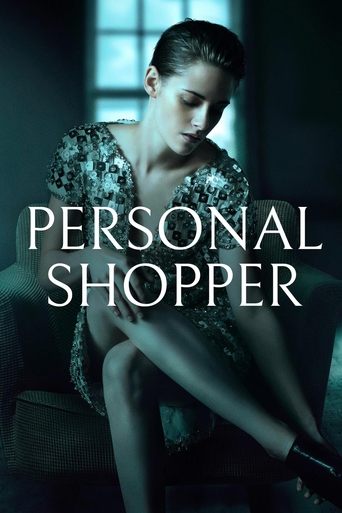
Olivier Assayas gives Kristen Stewart a phone, a dead twin, and Paris in the off-season, and treats mourning and the supernatural as the same weather system. The film is genuinely spooky in stretches — there are apparitions, there is a genuine unease around who is texting her — but the register is always closer to melancholy than terror. This is the pick for late at night, lights off, phone away.
Mood Five: Playful Spooky
For the viewer whose tolerance for tension is genuinely low but who still wants the season on the screen. This is where the seasonal iconography does all the work and the plot cooperates.
Coraline
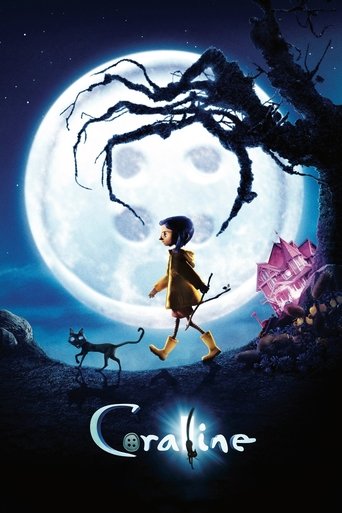
Henry Selick's stop-motion has enough visual invention in any given minute to carry a whole film, and the button-eye imagery has done more Halloween heavy lifting over the last fifteen years than most actual horror movies. It is genuinely creepy in places — pretending otherwise would be dishonest — but the craft is so beautiful and the world so specifically built that the creepiness reads as wonder rather than threat. A great gateway film for younger viewers or lower-tolerance adults.
The Addams Family
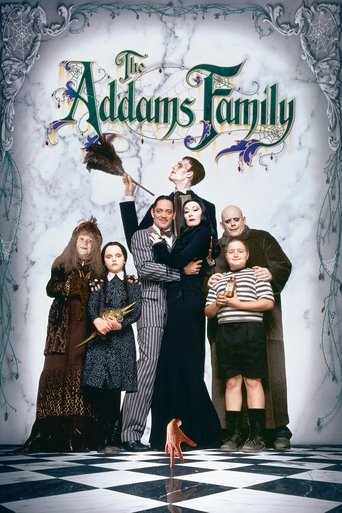
Barry Sonnenfeld's 1991 version remains, to my mind, the platonic ideal of Halloween-adjacent comfort viewing. Anjelica Huston and Raul Julia are having so much fun that the macabre trappings become warm rather than cold, and the whole thing plays like a Charles Addams cartoon given permission to shrug. It's a perfect opener for a longer evening — the palate-cleanser before you graduate into any of the moods above.
Can't Decide What to Watch?
Let RandomFlix pick a movie for you. One click, one great movie.
Roll the DiceReading the Room, Not the Runtime
The argument this whole piece rests on is small and stubborn: the wrong question for spooky-season viewing is how scary is it, and the right question is which mood am I in. Editorial roundups often frame the horror-averse category as a single "mild salsa" tier, but that framing flattens what is actually a rich landscape of textures — gothic ache, folk unease, cozy macabre, ghostly grief, playful spooky — each of which wants a different weather, a different time of day, a different mug of something in your hand.
The trick, in practice, is to stop pre-planning and let the evening tell you. If it's raining and you want to cry a little, that's A Ghost Story weather. If the wind is up and you want to feel small, that's Picnic at Hanging Rock. If it's the first properly cold night and you want the season without the anxiety, that's Beetlejuice. When you know the mood but not the title, a dice roll on RandomFlix narrowed to supernatural movies or slow-burn movies tends to surface exactly this kind of film — the atmospheric, texture-first stuff that never quite makes the big Halloween lists.
Trust the amber light. It knows what it wants.