Why Cregger's Resident Evil Reset the Bar
For a decade, the Resident Evil name on a movie poster meant one of two things: another Paul W.S. Anderson-Milla Jovovich sequel that treated Umbrella like a Marvel-scale villain empire, or the well-meaning but stillborn 2021 reset Resident Evil: Welcome to Raccoon City that tried to cram two games' worth of plot into 107 minutes. Constantin Film had held the film rights since the late 1990s and, after that misfire, went back to the drawing board — this time with Sony's PlayStation Productions and Columbia Pictures joining the effort in 2025 and Zach Cregger, riding the wave of Barbarian and Weapons, handed the keys.
The film that arrived in theaters is not the Resident Evil anyone was expecting. Austin Abrams plays Bryan, a medical courier whose ordinary shift curdles into a single, endless night of chaos, with Zach Cherry and Paul Walter Hauser filling out a small, panicked ensemble. There are no S.T.A.R.S. officers rappelling through a mansion, no Leon Kennedy monologuing over a shotgun. What there is is dread — the ambient, slow-rot kind Cregger has become the modern master of — plus a corporate-decay undertow and the specific horror of watching an underqualified guy try to survive until sunrise.
Crucially, Cregger has been open about designing this reboot as a one-off: an original story running parallel to Resident Evil 2's timeline rather than remaking it, sharing a city and a virus but nothing else. That restraint is why it works where the older attempts didn't. It also means the people leaving the theater buzzing are asking a fair question: what else in the video game canon actually does this?
The good news is that the list is bigger than it used to be. The better news is that eight films in particular share at least one strand of Cregger's DNA — the dread, the horror movies atmosphere, the one-night urgency, or just the sense that a real filmmaker sat down and made something rather than assembling it.
The Video Game Movie Curse, Briefly Explained
The curse has a long shadow. Uwe Boll spent most of the 2000s draining tax shelters to produce House of the Dead, Alone in the Dark and BloodRayne. The 1993 Super Mario Bros. movie is now a cult curio only because it failed so completely. Even the Anderson-Jovovich Resident Evil hexalogy, which made real money, was widely mocked by the fans it was supposedly serving. The pattern was clear: literal adaptation — cutscenes rendered in live action, level design translated into set pieces — almost always ends in a shrug.
Then something changed. HBO's The Last of Us proved a game could be treated with the same prestige seriousness as a novel. The Sonic movies discovered a tone (sincere, jokey, slightly retro) and stuck to it across three films. Suddenly studios started chasing filmmakers — Cregger, Neill Blomkamp, Christophe Gans — instead of assigning journeymen to grind out product.
The films that broke through tend to share three things: a strong directorial voice, a willingness to invent characters and stories the games only hinted at, and respect for the atmosphere of the source over its specific plot beats. Most of the survivors live in the thriller movies and horror-adjacent corners of the canon, which is where the Cregger reboot lives too. Here are the eight most worth your time.
Eight Video Game Adaptations Finally Worth Watching
1. Silent Hill
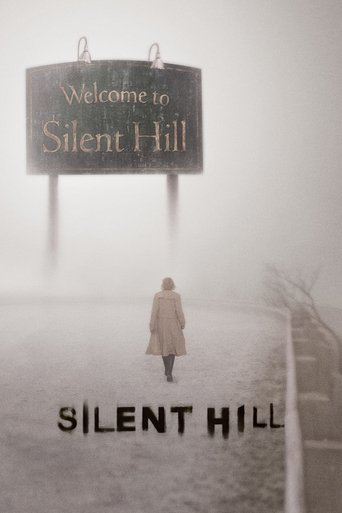
Christophe Gans' 2006 fog-drenched nightmare remains the gold standard for translating survival horror geography to the screen. The town breathes; the ash falls in real time; the air raid siren still hits like a physical object. Nearly two decades on, its cult reappraisal keeps growing, and it's easy to see why — 2000s movies horror was in a rare confident spot, willing to bankroll a two-hour art film about a mother wandering through Akira Yamaoka's soundscape.
The Cregger connection is the most direct on this list: pure dread architecture, ambient sound design, and a protagonist who stumbles into a place that follows its own dream logic and simply has to keep walking. If Bryan's medical bag felt like an anchor in a nightmare, Rose's flashlight is the same tool in an earlier movie.
2. Werewolves Within

Josh Ruben's snowbound whodunit is the sharpest tonal cousin to Cregger's own comic-horror instincts. Adapted from a Ubisoft VR party game — the least promising premise imaginable — it turns into a Christie-shaped ensemble mystery about a snowed-in Vermont town, a stalled pipeline dispute, and a possible lycanthrope. Sam Richardson holds the whole thing together as a forest ranger too polite for the room.
It's the great gateway drug for skeptics who think "video game movie" automatically means dumb, and its ensemble menace rhymes with the small-cast pressure cooker of Barbarian. If you liked how Cregger keeps you laughing right up until you aren't, this is the same magic trick in different weather.
3. Detective Pikachu
Rob Letterman's neon-drenched neo-noir proves the adaptation trick works when the world is built for the camera rather than photocopied from cutscenes. Ryan Reynolds' voice work gets the headlines, but the movie's real accomplishment is Ryme City itself — a lived-in, humid, Blade Runner-adjacent metropolis where Pokémon read as animals rather than merchandise.
It's also, frankly, the tonal antidote if you need a decompression chamber after Cregger's Resident Evil. Sometimes the correct chaser to a night of dread is a rain-slick alley, a good hat, and a mumbling rodent.
4. Sonic the Hedgehog 2

The trilogy's confidence peak. Jim Carrey unleashed, a globe-trotting structure that lets the movie breathe past its small-town origins, and — crucially — a genuine understanding that these movies are for kids and the adults who grew up on a Sega Genesis. It's silly, but not stupid. It's fast, but coherent.
The sibling nod is required: Sonic the Hedgehog 3 pushed the Tomatometer up to 85% by leaning even harder into the Shadow arc. Together the Sonic films rewrote studio expectations for the whole family movies adaptation space, which is why Nintendo now feels comfortable putting Mario Galaxy and Zelda into theaters.
5. Gran Turismo
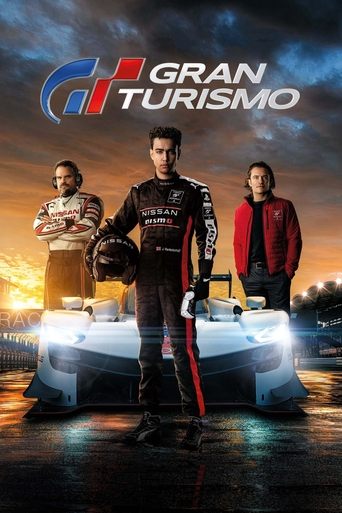
Neill Blomkamp's underdog racing drama treats its source — a driving simulator, of all things — as a launchpad rather than a script. The real story of Jann Mardenborough, a British teenager who won a PlayStation contest and turned it into an actual GT Academy podium career, is the kind of true-life hook the game itself only implied.
The lesson for Resident Evil viewers is the same one Cregger keeps demonstrating: adaptations thrive when they find the human story the source only pointed toward. Also, the racing itself is legitimately great — Blomkamp shoots motion the way he used to shoot mech combat, all weight and consequence.
6. Mortal Kombat

Paul W.S. Anderson's 1995 original is the platonic ideal of '90s fun-schlock done right: a techno soundtrack that still slaps, practical stunts, and PG-13 restraint that forced the film to be about characters fighting rather than just gore. Robin Shou and Cary-Hiroyuki Tagawa do more with a squint and a smirk than most modern reboots manage with a full VFX budget.
Start a Watchlist
Keep track of every movie that catches your eye. Your watchlist, your rules.
Start Your WatchlistCompare it, briefly, to the messier 2021 reboot — technically bloodier, tonally lost — and you have a perfect case study in why tone discipline matters more than fidelity. Between heavier picks on this list, it's a genuine palate cleanser.
7. Tomb Raider
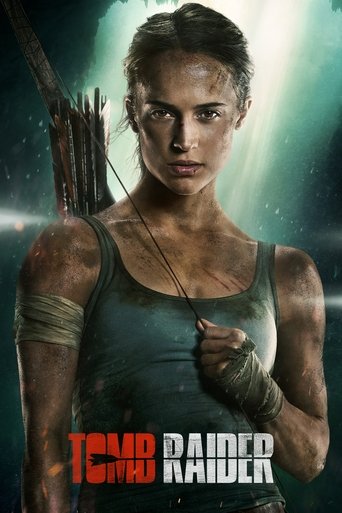
Roar Uthaug's 2018 Alicia Vikander vehicle threw out the Angelina Jolie glamour of the early-2000s films and rebuilt Lara Croft around the reboot-era games: bruised, resourceful, underfed, constantly making a plan five seconds before it falls apart. The action grammar — muddy, kinetic, physically legible — is the closest live-action has come to the tone of the 2013 game.
For Resident Evil viewers who liked Bryan's out-of-his-depth panic, this is the same key. Vikander plays Lara as someone who shouldn't survive most of what happens to her, and the movie takes real pleasure in her improvised competence.
8. Uncharted

Ruben Fleischer's Tom Holland/Mark Wahlberg buddy adventure is the popcorn peak of recent adaptations — a treasure-hunt movie that finally lets Nathan Drake's Spielbergian instincts breathe outside a game engine. The cargo plane sequence alone justifies the ticket. It's not scary, and it never pretends to be, but it's structurally kin to Cregger's Resident Evil: propulsive, one-mission storytelling with a small ensemble and forward momentum.
Ending the list here is deliberate. After seven films of dread and dread-adjacent craft, Uncharted is what a video game movie feels like when it's just, cleanly, fun.
Where the Canon Goes From Here
The most interesting thing about Cregger's Resident Evil isn't the film itself — it's what it signals. Studios are finally hiring filmmakers instead of hired hands. The Last of Us is winning Emmys. A24 has Return to Silent Hill on the release calendar. The prestige-TV parallel track is raising the floor of what these movies are allowed to be, and the ceiling with it.
That means the canon of watchable video game adaptations is going to expand faster over the next five years than it did over the previous thirty. Some of that will be swings and misses. Some of it will be horror-adjacent sci-fi movies experiments — a Death Stranding here, a Bioshock there — that only work because a real director was allowed to be weird on someone else's dime. Keeping a loose running list of the ones worth catching is honestly the smartest way to navigate it; RandomFlix's dice roll is a low-effort way to surface the lesser-known picks above when nothing on the main slate grabs you.
The video game adaptation curse isn't broken. It's just been proven optional. Cregger made his one-night nightmare because he wanted to, not because a rights holder needed a Tuesday tentpole — and the eight films above earned their places on this list the same way. Watch the ones you missed, revisit the ones you dismissed, and see which wavelength of Bryan's terrible shift you want to spend another evening on.