The Four-Week Window: Why Minus Zero Demands a Different Kind of Prep
The gap between a festival premiere and a wide release is usually dead air — a stretch of embargo-cracked reviews and social buzz that either inflates or deflates a film before most of us can see it. But the four weeks between Godzilla Minus One's sequel bowing at the New York Film Festival on September 26, 2026 and its GKIDS wide release on November 6 feels like something else. It feels like an invitation.
NYFF programming director Dennis Lim framed the selection by pointing to director Takashi Yamazaki's return to what he called Godzilla's "postwar roots," and the sequel picks up in 1949 — two years after the events of Minus One — with King Ghidorah entering the picture. That's not a Monsterverse crossover. That's a filmmaker doubling down on the specific historical wound his last movie reopened.
The temptation, of course, is to fill the four weeks with rewatches of the loudest kaiju around: the American Legendary entries, the toppling skyscrapers, the Kong crossovers. Skip them. The films that will make Minus Zero land hardest are the ones that treat kaiju as trauma made flesh — as memory the culture couldn't otherwise metabolize.
Minus One grossed roughly $116 million worldwide and won the Oscar for Best Visual Effects, so anticipation for the follow-up is already high. This isn't a list for filling time. It's for viewers who want to deepen what they're about to see.
The Postwar-Trauma Kaiju Tradition, Briefly
The through-line starts in 1954, with Ishirō Honda directing a film shaped by Hiroshima, Nagasaki, and the Daigo Fukuryū Maru — the "Lucky Dragon" tuna trawler that drifted into the fallout of the American Castle Bravo test earlier that year. Honda's Godzilla wasn't a monster movie that happened to have nuclear anxiety in the background. It was nuclear anxiety in monster-movie form.
The Criterion Collection's essay on the original frames it precisely: the film was a way to imaginatively portray, and even exorcise, the atomic attack and the war itself. That's the tradition. That's the lineage Yamazaki has now spent two films — soon three — extending.
It's worth distinguishing this branch from the American monster movies tradition that eventually turned Godzilla into pure spectacle, and from the broader kaiju movies cycle that oscillated between camp and destruction porn. Both have their pleasures. Neither prepares you for what Yamazaki is doing.
What follows is chronological, but grouped by which specific wound each film reopens.
The Foundational Text
Godzilla (1954)
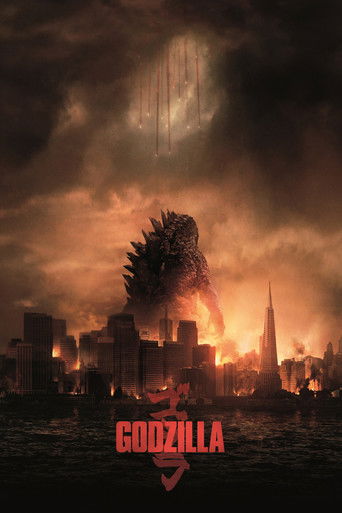
Honda's original is the ur-text, and everything else on this list either descends from it or answers to it. The Oto Nashi prayer sequence — women singing over the ruined city as the camera lingers on hospital beds — has more in common with a requiem than a creature feature. The Diet debate scenes, in which politicians argue about whether to publicly acknowledge Godzilla's existence at all, read like a coded referendum on Japan's postwar silences. And Dr. Serizawa's final act — destroying both the monster and himself, so that the weapon capable of killing Godzilla dies with him — remains one of cinema's most morally serious depictions of scientific atonement.
The Atomic Heritage Foundation's history of the film traces its explicit origins in Japan's pacifist and anti-nuclear movements. It is not a subtext. It is the text. Watch the Japanese cut, not the recut Americanized version with Raymond Burr's dubbed-in reporter — the difference between them is essentially the entire argument of this article.
The Honda Follow-Ups That Still Grieve
Mothra (1961)

Sight & Sound's BFI feature reads Mothra as the second great statement of kaijū eiga after Gojira, and the film earns that ranking. Its plot — hydrogen-bomb test sites, an exploited Pacific island, the twin fairy Shobijin serving as unwilling witnesses to Western greed — is postwar Japan writing letters to itself about colonization, testing, and the moral cost of "modernization." Mothra is a mourning creature masquerading as a spectacle creature. Watch it back-to-back with the 1954 original and the family resemblance is unmistakable.
Rodan (1956)
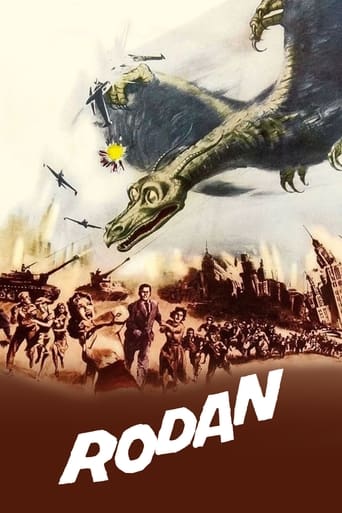
Honda's Kyushu coal-mine sequences give Rodan a claustrophobia most kaiju films can't touch, and its lead — a mine safety officer whose backstory is stitched together from ex-military anxieties — feels like a first draft of the spiritually depleted men Yamazaki would eventually put at the center of Minus One. The ending's mourning cry, as Rodan circles a partner it cannot save, remains one of the most devastating images in the genre. Together, Mothra and Rodan prove that the Toho cycle of the 1950s and early '60s wasn't camp. It was collective grief in a rubber suit.
The Modern Reckonings
Shin Godzilla (2016)
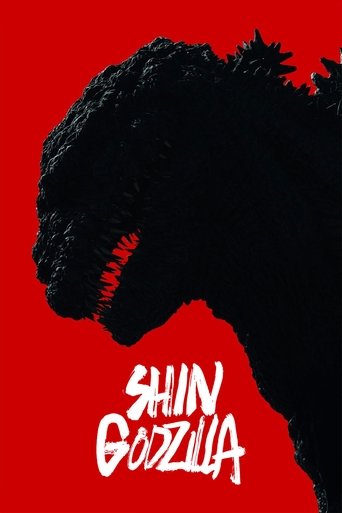
Hideaki Anno and Shinji Higuchi's reboot arrived in the shadow of Fukushima, and the film treats government paralysis, bureaucratic cowardice, and constitutional deadlock as the real monster. The specters-of-Fukushima reading of the film — which situates it inside ongoing Japanese debates about nuclear power, Article 9, and the still-unresolved memory of WWII — is the most useful frame for viewing it now. Anno's Godzilla mutates on-screen, which is fitting: the trauma it stands in for keeps mutating too.
Godzilla Minus One (2023)
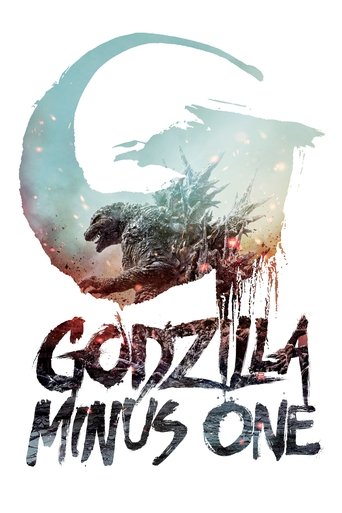
The SFRA Review's academic reading of Minus One argues that Yamazaki explicitly couples the atomic bombings to the American firebombing of Tokyo — a coupling most Godzilla films sidestep — and that the minesweeping crew at the center of the story functions as a cross-section of postwar generational archetypes. The film's Godzilla isn't primarily a symbol of the bomb. It's a symbol of survivor's guilt, of the men who came back and the men who couldn't. That's the emotional template Minus Zero is presumably continuing. Rewatch it late in the four weeks, not early.
The Return of Godzilla (1984)
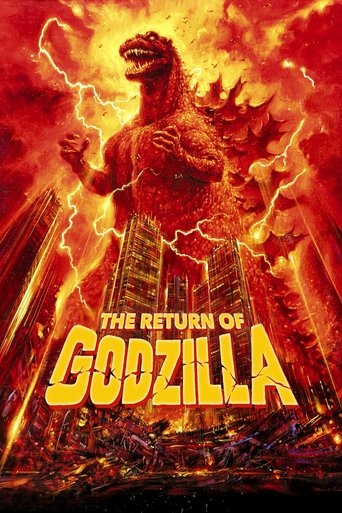
The Cold War-era reboot that rebooted the monster as a nuclear metaphor after two decades of increasingly family-friendly sequels. It's clumsier than its Honda ancestors and less thematically dense than Shin or Minus One, but its willingness to strip the character back to allegory — sitting inside a distinctly 1980s movies nuclear-brinksmanship anxiety — makes it a genuinely underappreciated bridge between the original tradition and the Heisei era that followed. If you've only seen the Americanized Godzilla 1985 cut, seek out the Japanese version.
Can't Decide What to Watch?
Let RandomFlix pick a movie for you. One click, one great movie.
Roll the DiceBeyond the Franchise: Two Kaiju-Adjacent Films That Belong
Here
Grave of the Fireflies (1988)
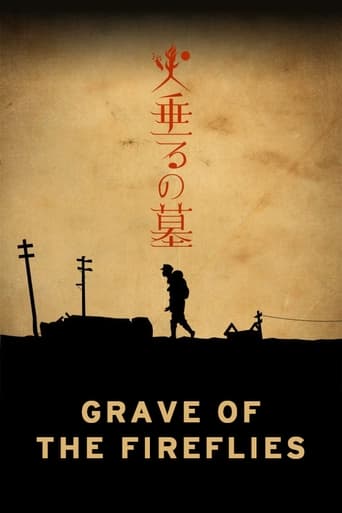
Not a kaiju film. But no serious viewing of Minus One — or Minus Zero — is complete without Isao Takahata's account of the firebombing of Kobe and the children left to survive its aftermath. The firebombing is the trauma Minus One made explicit and the trauma the sequel will presumably continue to metabolize. Grave of the Fireflies is the definitive cinematic account of that specific horror, and it recontextualizes every scene of postwar wreckage the Godzilla films have ever staged.
Barefoot Gen (1983)
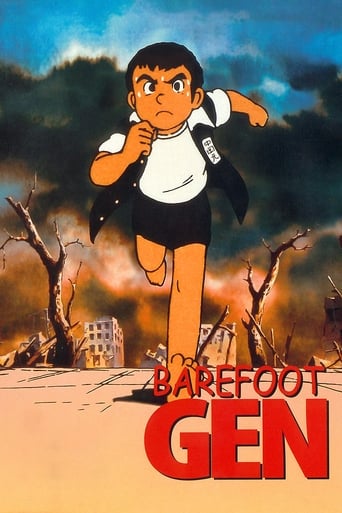
Mori Masaki's animated adaptation of Keiji Nakazawa's Hiroshima manga is the historical bedrock beneath every serious Godzilla film. Its depiction of the moment of the bombing — animation used, deliberately, to render what live action can't — will change how you watch the 1954 original forever. It absolutely belongs alongside the great works of Japanese animation movies confronting wartime memory, and it deserves a wider audience than it has.
Together, Fireflies and Barefoot Gen situate the kaiju tradition inside the broader Japanese cinematic reckoning with the war. They are the ground the monsters walk on.
A Suggested Rhythm for the Four Weeks
There's no homework here. But if you want a loose pacing suggestion: pair the 1954 original with Barefoot Gen early — the historical foundation first, so the mythology sits on top of the reality rather than the other way around. Work through the Honda follow-ups and The Return of Godzilla in the middle. Save Shin Godzilla, Grave of the Fireflies, and Minus One for the week of release, when the emotional groundwork will be freshest. If you'd rather let chance decide the order, RandomFlix's dice roll will happily pull from any of these titles.
Yamazaki, in his post-premiere Gold Derby interview, hinted that Minus Zero is engaging with contemporary parallels — that the film's politics extend beyond the immediate postwar setting into questions the present is still asking. That tradition, in other words, is not finished. Neither is the reckoning.
Watch the ones that grieve. Then watch what Yamazaki does next.